What does Esther 6:13 mean?
"And Haman told Zeresh his wife and all his friends every thing that had befallen him. Then said his wise men and Zeresh his wife unto him, If Mordecai be of the seed of the Jews, before whom thou hast begun to fall, thou shalt not prevail against him, but shalt surely fall before him." - Esther 6:13
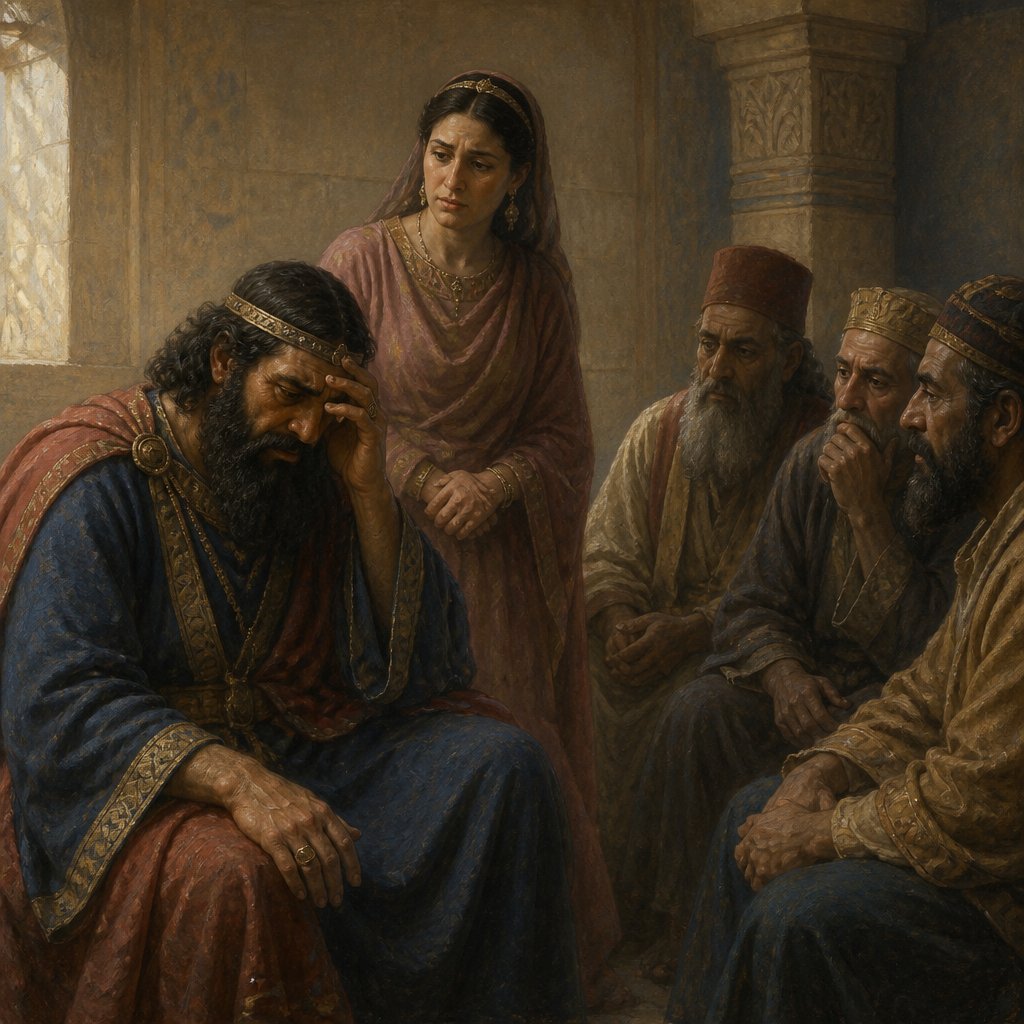
Esther 6:13 in the King James Version of the Bible reads: "And Haman told Zeresh his wife and all his friends every thing that had befallen him. Then said his wise men and Zeresh his wife unto him, If Mordecai be of the seed of the Jews, before whom thou hast begun to fall, thou shalt not prevail against him, but shalt surely fall before him."
This verse comes from the Book of Esther in the Old Testament, which tells the story of Queen Esther, a young Jewish woman who becomes the queen of Persia and saves her people from destruction. Esther 6:13 is part of the narrative where Haman, the villain of the story, has experienced a reversal of fortune and is receiving advice from his wife and friends about his next course of action.
The key themes in this verse include the inevitability of justice, the power of redemption, and the folly of pride. In this passage, Haman, who had plotted to destroy the Jewish people, is now facing the realization that his efforts will ultimately fail. His wise men and his wife, Zeresh, warn him that his scheming against Mordecai, a member of the Jewish people, will lead to his downfall. This verse illustrates the principle that one's actions, especially those motivated by hatred and greed, will ultimately bring about their own downfall.
The context of Esther 6:13 is important for understanding its significance within the larger story of Esther. In the preceding chapters, we learn that Haman, an arrogant and power-hungry official in the Persian court, becomes enraged when Mordecai refuses to bow down to him. In response, Haman convinces King Xerxes to issue a decree to annihilate all the Jews in the Persian Empire. However, through a series of events orchestrated by God, Esther, who is secretly Jewish, is made queen and ultimately intercedes on behalf of her people.
The verse also serves as a reminder of the consequences of pride and arrogance. Haman's downfall begins with his own desire for power and recognition, which leads to his obsession with punishing Mordecai and ultimately leads to his downfall. This theme is consistent with other biblical teachings, such as Proverbs 16:18, which states, "Pride goeth before destruction, and an haughty spirit before a fall."
Furthermore, the mention of Haman's wife and friends in this verse is significant. It shows the influence they have over him and their attempts to provide him with wisdom and guidance. However, their advice ultimately proves to be prophetic, as Haman's pride and enmity towards Mordecai lead to his own destruction.
Symbolically, Esther 6:13 can be seen as a representation of the ultimate triumph of good over evil. The verse foreshadows the impending defeat of Haman and the salvation of the Jewish people, emphasizing the idea that God's justice will prevail. It also underscores the importance of humility and righteousness, as exemplified by Mordecai and Esther, who ultimately save their people through their faith and courage.
Overall, Esther 6:13 holds deep meaning within the broader narrative of the Book of Esther. It serves as a reminder of the consequences of pride and the inevitability of justice, while also highlighting the power of redemption and the triumph of good over evil. This verse continues to be a source of inspiration and reflection for readers, as it exemplifies the enduring themes and timeless truths found within the pages of the Bible.
Have questions about Esther 6:13?
Dive deeper into this scripture with Bible Chat — an AI-powered tool for exploring God's Word through conversation. Ask questions, get context, and grow in your understanding of the Bible.
Get Our Apps


Esther 6:13 Artwork

Esther 6:13 - "And Haman told Zeresh his wife and all his friends every thing that had befallen him. Then said his wise men and Zeresh his wife unto him, If Mordecai be of the seed of the Jews, before whom thou hast begun to fall, thou shalt not prevail against him, but shalt surely fall before him."
"And Haman told Zeresh his wife and all his friends every thing that had befallen him. Then said his wise men and Zeresh his wife unto him, If Mordecai be of the seed of the Jews, before whom thou hast begun to fall, thou shalt not prevail against him, but shalt surely fall before him." - Esther 6:13

Esther 7:6 - "And Esther said, The adversary and enemy is this wicked Haman. Then Haman was afraid before the king and the queen."

Esther 1:6

Esther 4:13 - "Then Mordecai commanded to answer Esther, Think not with thyself that thou shalt escape in the king's house, more than all the Jews."

Esther 6:14 - "And while they were yet talking with him, came the king's chamberlains, and hasted to bring Haman unto the banquet that Esther had prepared."

Esther 9:13 - "Then said Esther, If it please the king, let it be granted to the Jews which are in Shushan to do to morrow also according unto this day's decree, and let Haman's ten sons be hanged upon the gallows."

Esther 5:6 - "¶ And the king said unto Esther at the banquet of wine, What is thy petition? and it shall be granted thee: and what is thy request? even to the half of the kingdom it shall be performed."

Esther 6:7 - "And Haman answered the king, For the man whom the king delighteth to honour,"

Esther 9:6 - "And in Shushan the palace the Jews slew and destroyed five hundred men."

"And Esther said, The adversary and enemy is this wicked Haman. Then Haman was afraid before the king and the queen." - Esther 7:6

Esther 4:6 - "So Hatach went forth to Mordecai unto the street of the city, which was before the king's gate."

Esther 5:13 - "Yet all this availeth me nothing, so long as I see Mordecai the Jew sitting at the king's gate."
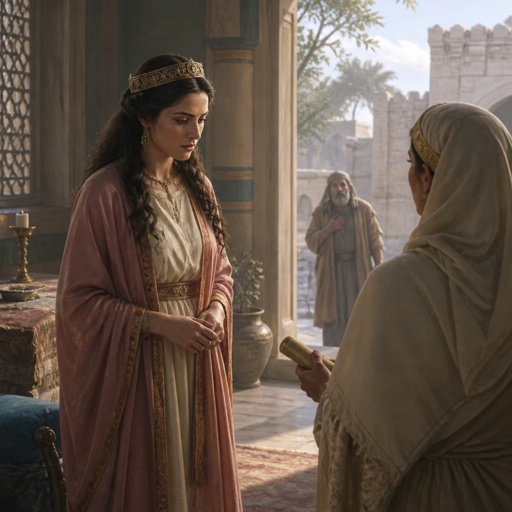
"Then Mordecai commanded to answer Esther, Think not with thyself that thou shalt escape in the king's house, more than all the Jews." - Esther 4:13

Esther 6:1 - "On that night could not the king sleep, and he commanded to bring the book of records of the chronicles; and they were read before the king."

Esther 6:5 - "And the king's servants said unto him, Behold, Haman standeth in the court. And the king said, Let him come in."

Esther 6:12 - "¶ And Mordecai came again to the king's gate. But Haman hasted to his house mourning, and having his head covered."
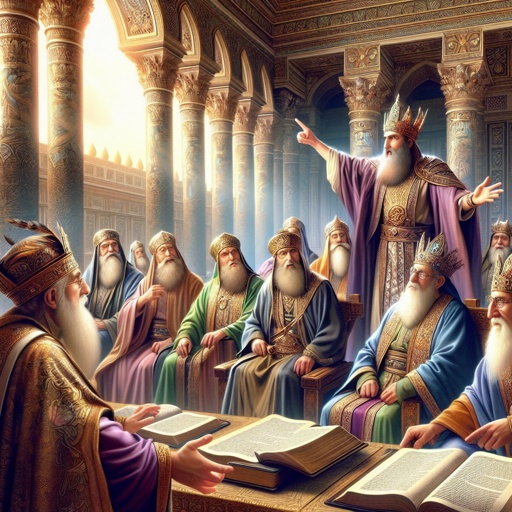
Esther 1:13 - "¶ Then the king said to the wise men, which knew the times, (for so was the king's manner toward all that knew law and judgment:"

"And while they were yet talking with him, came the king's chamberlains, and hasted to bring Haman unto the banquet that Esther had prepared." - Esther 6:14

Esther 8:13 - "The copy of the writing for a commandment to be given in every province was published unto all people, and that the Jews should be ready against that day to avenge themselves on their enemies."

Esther 2:13 - "Then thus came every maiden unto the king; whatsoever she desired was given her to go with her out of the house of the women unto the king's house."

"And Haman answered the king, For the man whom the king delighteth to honour," - Esther 6:7

Esther 8:6 - "For how can I endure to see the evil that shall come unto my people? or how can I endure to see the destruction of my kindred?"

Esther 6:8 - "Let the royal apparel be brought which the king useth to wear, and the horse that the king rideth upon, and the crown royal which is set upon his head:"

"And in Shushan the palace the Jews slew and destroyed five hundred men." - Esther 9:6

Esther 6:3 - "And the king said, What honour and dignity hath been done to Mordecai for this? Then said the king's servants that ministered unto him, There is nothing done for him."

Esther 6:2 - "And it was found written, that Mordecai had told of Bigthana and Teresh, two of the king's chamberlains, the keepers of the door, who sought to lay hand on the king Ahasuerus."

Esther 6:4 - "¶ And the king said, Who is in the court? Now Haman was come into the outward court of the king's house, to speak unto the king to hang Mordecai on the gallows that he had prepared for him."

Esther 6:6 - "So Haman came in. And the king said unto him, What shall be done unto the man whom the king delighteth to honour? Now Haman thought in his heart, To whom would the king delight to do honour more than to myself?"
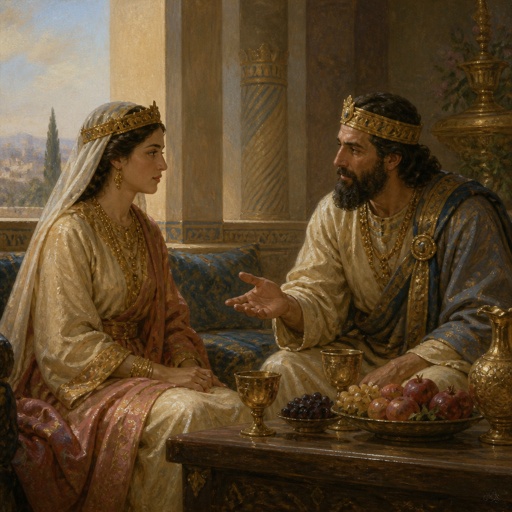
"¶ And the king said unto Esther at the banquet of wine, What is thy petition? and it shall be granted thee: and what is thy request? even to the half of the kingdom it shall be performed." - Esther 5:6