What does Esther 8:14 mean?
“So the posts that rode upon mules and camels went out, being hastened and pressed on by the king’s commandment. And the decree was given at Shushan the palace.” — Esther 8:14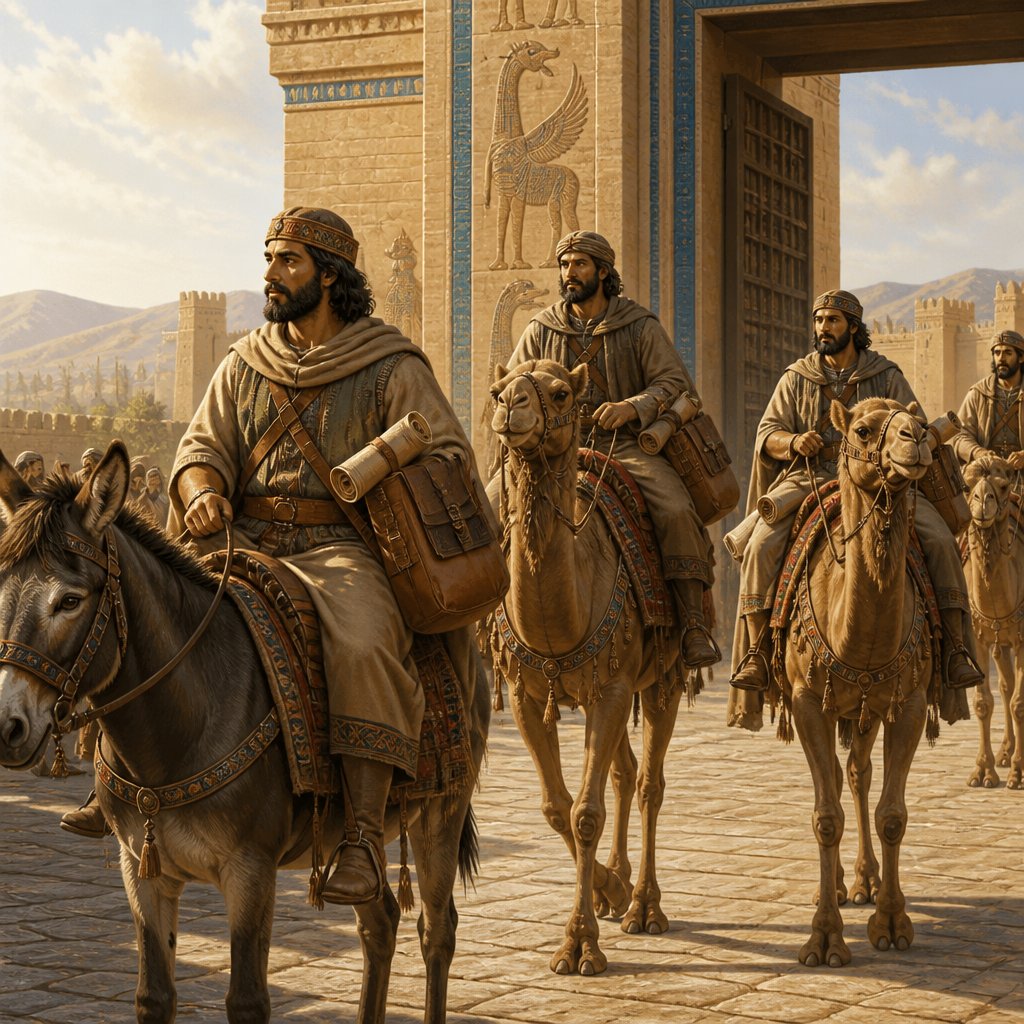
Esther 8:14 (KJV) - "So the posts that rode upon mules and camels went out, being hastened and pressed on by the king's commandment. And the decree was given at Shushan the palace."
The book of Esther is a historical account of a young Jewish woman named Esther who becomes the queen of Persia and, along with her cousin Mordecai, saves her people from the wrath of the king's evil advisor, Haman. The verse Esther 8:14 comes at the climax of the story, where King Ahasuerus issues a decree allowing the Jews to defend themselves against their enemies.
The verse signifies a turning point in the story, as the Jewish people are given a chance to defend themselves and come out victorious against their enemies. It is a moment of triumph and relief for the Jewish people, who have been living in fear and uncertainty throughout the story. The decree is a symbol of justice and righteousness prevailing over evil, and it serves as a reminder that God's people will always find protection and deliverance in times of trouble.
One of the central themes of Esther 8:14 is the sovereignty of God. Throughout the book of Esther, there is a hidden hand at work, guiding events and orchestrating circumstances for the good of His people. Even in the face of seemingly insurmountable odds, God is always in control, working behind the scenes to bring about His purposes. The decree issued in this verse is a tangible manifestation of God's providence, as He uses the king's commandment to ensure the safety and protection of His chosen people.
Another important theme in this verse is the concept of divine timing. The fact that the king's commandment hastens and presses on the posts that ride upon mules and camels highlights the urgency and importance of the decree. It suggests that this is a pivotal moment in the story, and that the time is right for the Jewish people to be granted the opportunity to defend themselves. This serves as a reminder that God's plans are always executed at the perfect time, and that His timing is always impeccable.
The context of Esther 8:14 is crucial to understanding its significance. The Jewish people in Persia are facing extermination at the hands of their enemies, and the decree issued by King Ahasuerus is their only hope for survival. The fact that the decree is given at Shushan the palace, the seat of the Persian government, adds weight to its importance and legitimacy. It shows that the decree is not just a whimsical decision made by the king, but a formal and binding edict that carries the full authority of the Persian empire.
Symbolically, the posts that ride upon mules and camels represent the swift and efficient delivery of the king's commandment. This imagery conveys the sense of urgency and importance attached to the decree, as if every effort is being made to ensure that the message reaches its destination as quickly as possible. This symbolizes the king's commitment to seeing his decree carried out without delay, which further underscores the significance of the edict for the Jewish people.
In conclusion, Esther 8:14 is a verse that encapsulates the themes of divine sovereignty, timing, and deliverance in the book of Esther. It marks a crucial moment in the story, where the Jewish people are granted the opportunity to defend themselves against their enemies, and serves as a powerful reminder of God's faithfulness and protection. The verse also carries important symbolic significance, with the imagery of the swift delivery of the king's decree emphasizing the urgency and importance attached to the edict. Overall, Esther 8:14 is a testament to the unwavering faithfulness of God and His ability to bring about deliverance for His people in the face of adversity.
Get our apps


Artwork for Esther 8:14

Esther 8:14 - "So the posts that rode upon mules and camels went out, being hastened and pressed on by the king's commandment. And the decree was given at Shushan the palace."
"So the posts that rode upon mules and camels went out, being hastened and pressed on by the king's commandment. And the decree was given at Shushan the palace." - Esther 8:14

Esther 8:4 - "Then the king held out the golden sceptre toward Esther. So Esther arose, and stood before the king,"

Esther 8:1 - "On that day did the king Ahasuerus give the house of Haman the Jews' enemy unto Esther the queen. And Mordecai came before the king; for Esther had told what he was unto her."
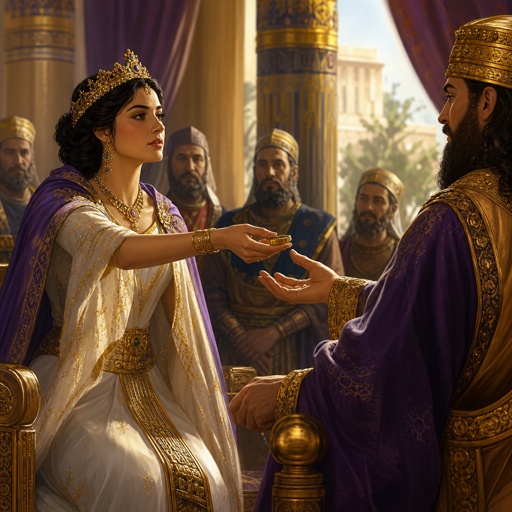
Esther 8:4

Esther 6:14 - "And while they were yet talking with him, came the king's chamberlains, and hasted to bring Haman unto the banquet that Esther had prepared."

Esther 9:8 - "And Poratha, and Adalia, and Aridatha,"

Esther 8:7 - "¶ Then the king Ahasuerus said unto Esther the queen and to Mordecai the Jew, Behold, I have given Esther the house of Haman, and him they have hanged upon the gallows, because he laid his hand upon the Jews."

Esther 8:16 - "The Jews had light, and gladness, and joy, and honour."
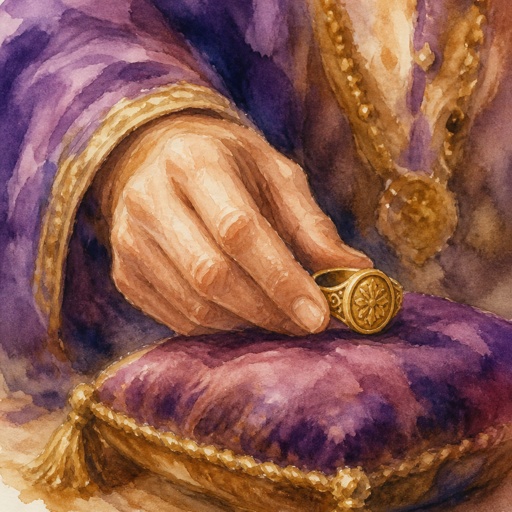
Esther 8:2 focus on the ring

"Then the king held out the golden sceptre toward Esther. So Esther arose, and stood before the king," - Esther 8:4

Esther 8:2 - "And the king took off his ring, which he had taken from Haman, and gave it unto Mordecai. And Esther set Mordecai over the house of Haman."
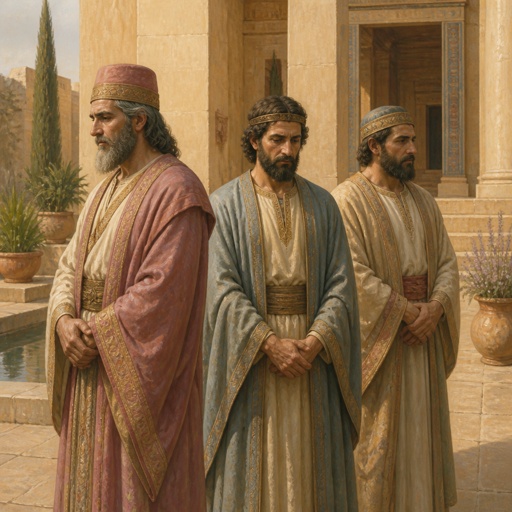
"And Poratha, and Adalia, and Aridatha," - Esther 9:8

Esther 8:3 - "¶ And Esther spake yet again before the king, and fell down at his feet, and besought him with tears to put away the mischief of Haman the Agagite, and his device that he had devised against the Jews."

Esther 9:14 - "And the king commanded it so to be done: and the decree was given at Shushan; and they hanged Haman's ten sons."

Esther 2:8 - "¶ So it came to pass, when the king's commandment and his decree was heard, and when many maidens were gathered together unto Shushan the palace, to the custody of Hegai, that Esther was brought also unto the king's house, to the custody of Hegai, keeper of the women."

"On that day did the king Ahasuerus give the house of Haman the Jews' enemy unto Esther the queen. And Mordecai came before the king; for Esther had told what he was unto her." - Esther 8:1

Esther 8:8 - "Write ye also for the Jews, as it liketh you, in the king's name, and seal it with the king's ring: for the writing which is written in the king's name, and sealed with the king's ring, may no man reverse."

Esther 3:14 - "The copy of the writing for a commandment to be given in every province was published unto all people, that they should be ready against that day."

Esther 7:8 - "Then the king returned out of the palace garden into the place of the banquet of wine; and Haman was fallen upon the bed whereon Esther was. Then said the king, Will he force the queen also before me in the house? As the word went out of the king's mouth, they covered Haman's face."

"And while they were yet talking with him, came the king's chamberlains, and hasted to bring Haman unto the banquet that Esther had prepared." - Esther 6:14

Esther 4:8 - "Also he gave him the copy of the writing of the decree that was given at Shushan to destroy them, to shew it unto Esther, and to declare it unto her, and to charge her that she should go in unto the king, to make supplication unto him, and to make request before him for her people."
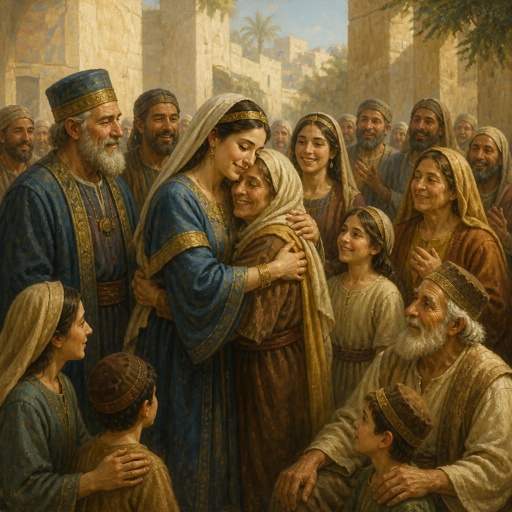
"The Jews had light, and gladness, and joy, and honour." - Esther 8:16

Esther 8:10 - "And he wrote in the king Ahasuerus' name, and sealed it with the king's ring, and sent letters by posts on horseback, and riders on mules, camels, and young dromedaries:"

Esther 8:12 - "Upon one day in all the provinces of king Ahasuerus, namely, upon the thirteenth day of the twelfth month, which is the month Adar."

Esther 8:13 - "The copy of the writing for a commandment to be given in every province was published unto all people, and that the Jews should be ready against that day to avenge themselves on their enemies."

Esther 8:6 - "For how can I endure to see the evil that shall come unto my people? or how can I endure to see the destruction of my kindred?"

Esther 6:8 - "Let the royal apparel be brought which the king useth to wear, and the horse that the king rideth upon, and the crown royal which is set upon his head:"
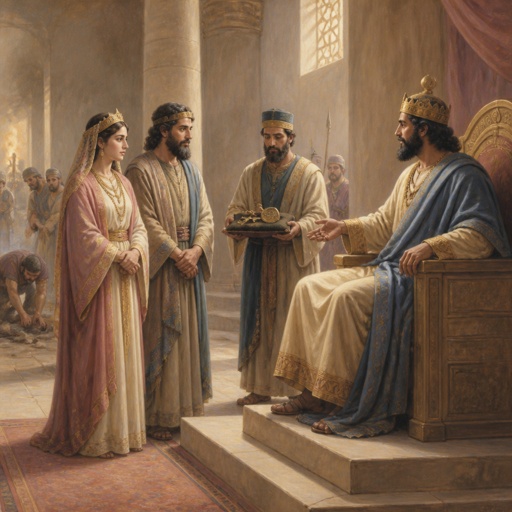
"¶ Then the king Ahasuerus said unto Esther the queen and to Mordecai the Jew, Behold, I have given Esther the house of Haman, and him they have hanged upon the gallows, because he laid his hand upon the Jews." - Esther 8:7

Esther 1:8 - "And the drinking was according to the law; none did compel: for so the king had appointed to all the officers of his house, that they should do according to every man's pleasure."