What does Esther 8:16 mean?
“The Jews had light, and gladness, and joy, and honour.” — Esther 8:16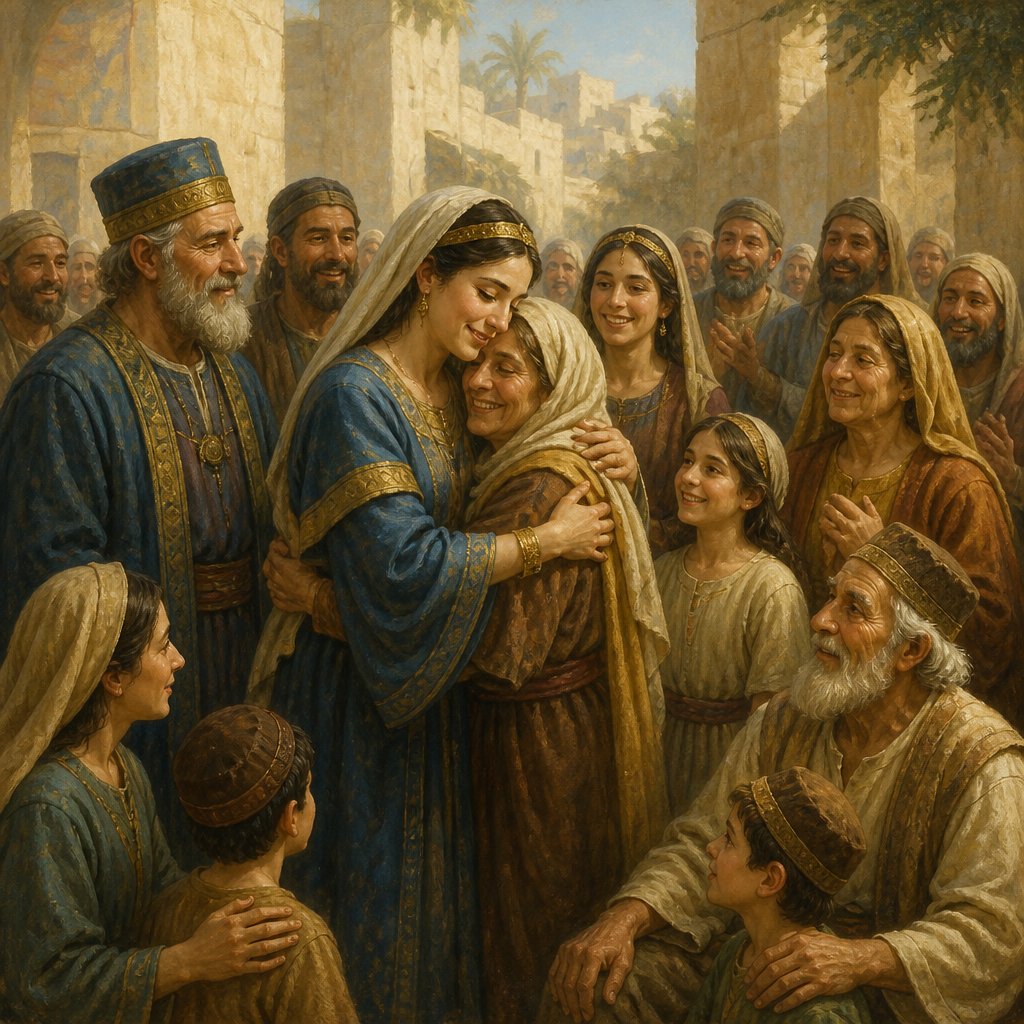
Esther 8:16 in the King James Version (KJV) of the Bible reads, "The Jews had light, and gladness, and joy, and honour." This verse comes from the Book of Esther, which tells the story of a Jewish woman who became the queen of Persia and saved her people from a plot to destroy them.
The context of this verse is the aftermath of a decree issued by the Persian king, Ahasuerus, which allowed the Jews to defend themselves from their enemies. In the previous chapter, Esther pleads with the king to rescind the decree that authorized the extermination of the Jewish people, and he grants her request. As a result, the Jews are filled with relief and gratitude, leading to the declaration in Esther 8:16 that they had light, gladness, joy, and honor.
One of the main themes of the book of Esther is the providence of God. Although the name of God is not mentioned explicitly in the text, His hand is clearly at work throughout the narrative. Esther's rise to power as queen, her courage in interceding on behalf of her people, and the timing of events all demonstrate God's providential care for the Jewish people. This theme is reflected in Esther 8:16, as the Jews experience light, gladness, joy, and honor as a result of God's intervention in their situation.
The phrase "had light" can be interpreted as a metaphor for the enlightenment and understanding that comes from being delivered from a dire situation. The Jews had been living under the shadow of impending doom, but now they were filled with hope and relief. The word "gladness" suggests a deep and abiding sense of joy, while "joy" conveys a more exuberant and expressive form of happiness. These emotions are the natural response to the miraculous turn of events that spared the Jews from destruction. Finally, the word "honor" implies that the Jews were not only saved from destruction but were also esteemed and esteemed in the eyes of others. This verse captures the intense emotions experienced by the Jewish people as they emerged from a time of great trial and suffering into a period of celebration and triumph.
In addition to its literal meaning, Esther 8:16 can also be understood in a symbolic sense. The deliverance of the Jews in the book of Esther can be seen as a foreshadowing of the ultimate deliverance that God provides through Jesus Christ. Just as Esther interceded for her people and secured their salvation, Jesus intercedes for believers and secures their eternal redemption. The light, gladness, joy, and honor experienced by the Jews can thus be seen as a prefiguration of the spiritual blessings that Christians receive through their faith in Christ.
Overall, Esther 8:16 is a powerful verse that captures the emotions of the Jewish people as they are delivered from a deadly threat. It also conveys the providential care of God and the deeper spiritual truths that underlie the narrative. This verse serves as a reminder that God is able to bring light and joy out of even the darkest and most difficult circumstances, and that His ultimate purpose is to bring honor and glory to His people.
Get our apps


Artwork for Esther 8:16

Esther 8:16 - "The Jews had light, and gladness, and joy, and honour."
"The Jews had light, and gladness, and joy, and honour." - Esther 8:16

Esther 8:4 - "Then the king held out the golden sceptre toward Esther. So Esther arose, and stood before the king,"

Esther 8:1 - "On that day did the king Ahasuerus give the house of Haman the Jews' enemy unto Esther the queen. And Mordecai came before the king; for Esther had told what he was unto her."

Esther 8:4

Esther 9:8 - "And Poratha, and Adalia, and Aridatha,"

Esther 2:16 - "So Esther was taken unto king Ahasuerus into his house royal in the tenth month, which is the month Tebeth, in the seventh year of his reign."

Esther 8:7 - "¶ Then the king Ahasuerus said unto Esther the queen and to Mordecai the Jew, Behold, I have given Esther the house of Haman, and him they have hanged upon the gallows, because he laid his hand upon the Jews."
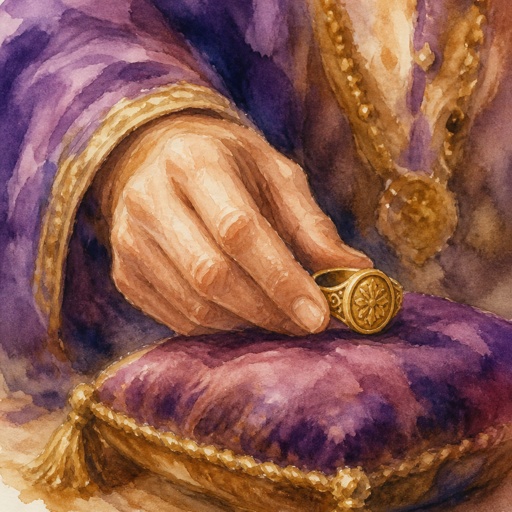
Esther 8:2 focus on the ring

"Then the king held out the golden sceptre toward Esther. So Esther arose, and stood before the king," - Esther 8:4

Esther 8:2 - "And the king took off his ring, which he had taken from Haman, and gave it unto Mordecai. And Esther set Mordecai over the house of Haman."
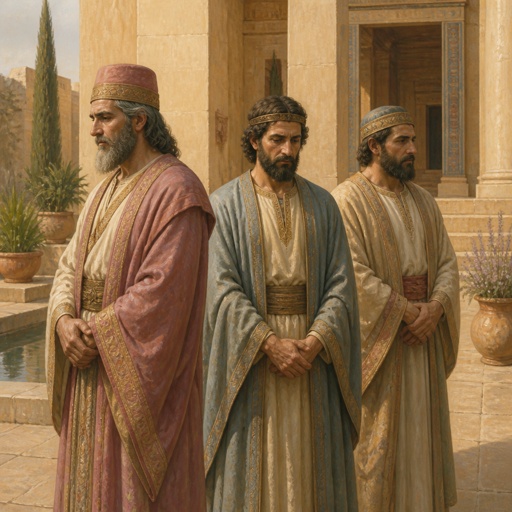
"And Poratha, and Adalia, and Aridatha," - Esther 9:8

Esther 8:3 - "¶ And Esther spake yet again before the king, and fell down at his feet, and besought him with tears to put away the mischief of Haman the Agagite, and his device that he had devised against the Jews."

Esther 2:8 - "¶ So it came to pass, when the king's commandment and his decree was heard, and when many maidens were gathered together unto Shushan the palace, to the custody of Hegai, that Esther was brought also unto the king's house, to the custody of Hegai, keeper of the women."

"On that day did the king Ahasuerus give the house of Haman the Jews' enemy unto Esther the queen. And Mordecai came before the king; for Esther had told what he was unto her." - Esther 8:1

Esther 8:8 - "Write ye also for the Jews, as it liketh you, in the king's name, and seal it with the king's ring: for the writing which is written in the king's name, and sealed with the king's ring, may no man reverse."

Esther 7:8 - "Then the king returned out of the palace garden into the place of the banquet of wine; and Haman was fallen upon the bed whereon Esther was. Then said the king, Will he force the queen also before me in the house? As the word went out of the king's mouth, they covered Haman's face."

Esther 4:8 - "Also he gave him the copy of the writing of the decree that was given at Shushan to destroy them, to shew it unto Esther, and to declare it unto her, and to charge her that she should go in unto the king, to make supplication unto him, and to make request before him for her people."

"So Esther was taken unto king Ahasuerus into his house royal in the tenth month, which is the month Tebeth, in the seventh year of his reign." - Esther 2:16

Esther 8:14 - "So the posts that rode upon mules and camels went out, being hastened and pressed on by the king's commandment. And the decree was given at Shushan the palace."

Esther 8:10 - "And he wrote in the king Ahasuerus' name, and sealed it with the king's ring, and sent letters by posts on horseback, and riders on mules, camels, and young dromedaries:"

Esther 8:12 - "Upon one day in all the provinces of king Ahasuerus, namely, upon the thirteenth day of the twelfth month, which is the month Adar."

Esther 8:13 - "The copy of the writing for a commandment to be given in every province was published unto all people, and that the Jews should be ready against that day to avenge themselves on their enemies."

Esther 8:6 - "For how can I endure to see the evil that shall come unto my people? or how can I endure to see the destruction of my kindred?"

Esther 6:8 - "Let the royal apparel be brought which the king useth to wear, and the horse that the king rideth upon, and the crown royal which is set upon his head:"

Esther 1:16 - "And Memucan answered before the king and the princes, Vashti the queen hath not done wrong to the king only, but also to all the princes, and to all the people that are in all the provinces of the king Ahasuerus."
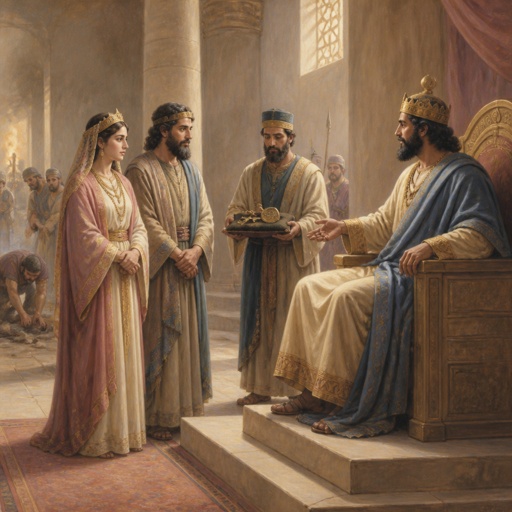
"¶ Then the king Ahasuerus said unto Esther the queen and to Mordecai the Jew, Behold, I have given Esther the house of Haman, and him they have hanged upon the gallows, because he laid his hand upon the Jews." - Esther 8:7

Esther 1:8 - "And the drinking was according to the law; none did compel: for so the king had appointed to all the officers of his house, that they should do according to every man's pleasure."
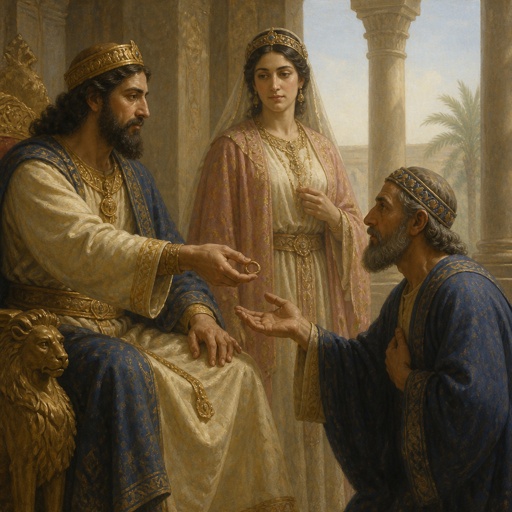
"And the king took off his ring, which he had taken from Haman, and gave it unto Mordecai. And Esther set Mordecai over the house of Haman." - Esther 8:2
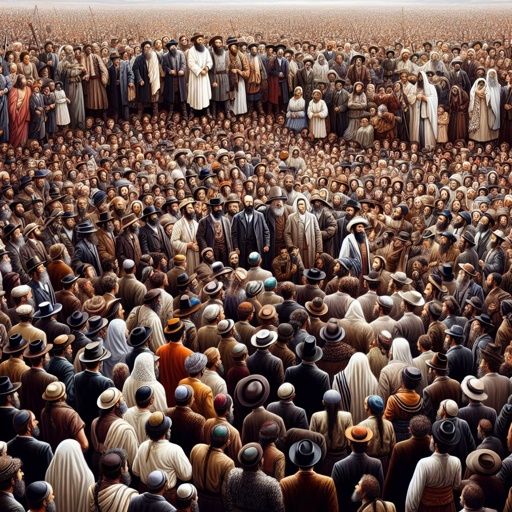
Esther 9:16 - "But the other Jews that were in the king's provinces gathered themselves together, and stood for their lives, and had rest from their enemies, and slew of their foes seventy and five thousand, but they laid not their hands on the prey,"