What does Esther 9:11 mean?
“On that day the number of those that were slain in Shushan the palace was brought before the king.” — Esther 9:11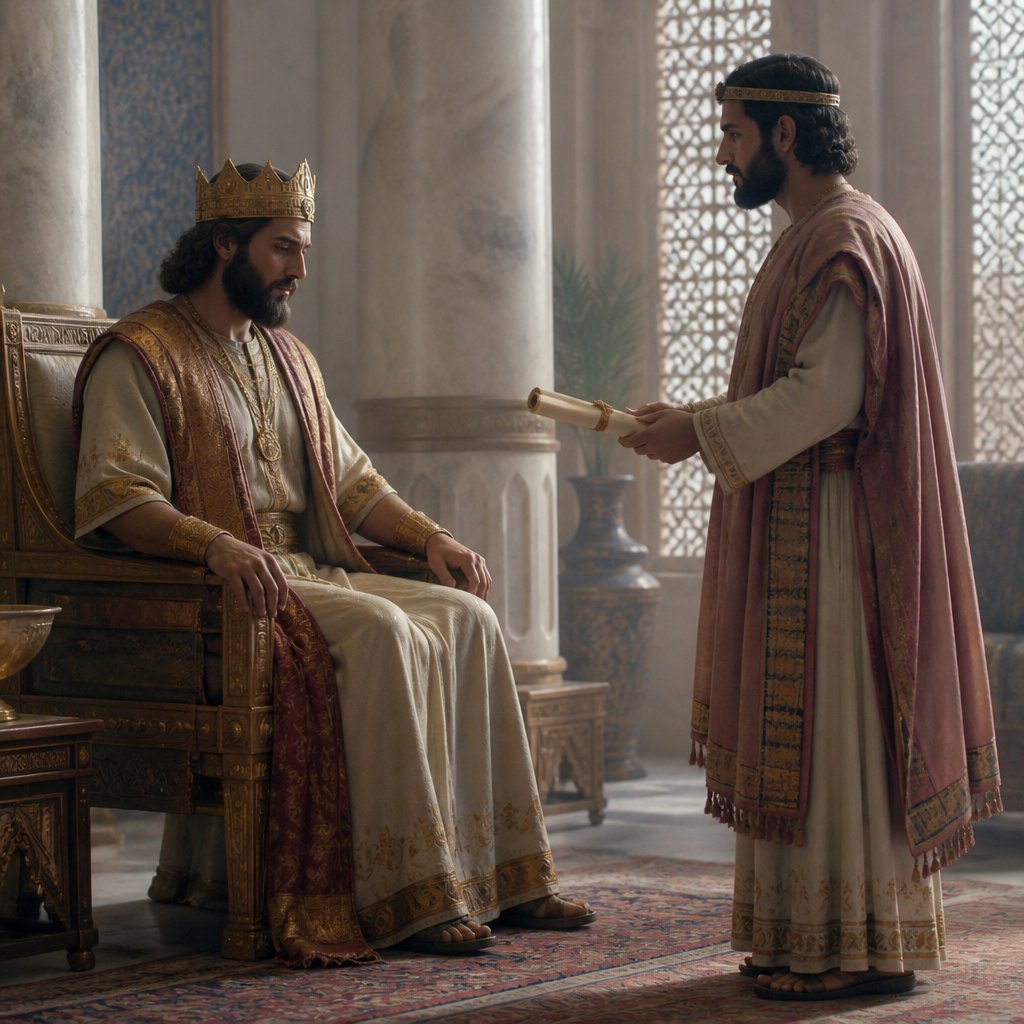
The book of Esther is a fascinating and complex story that highlights themes of faith, courage, and divine providence. The verse Esther 9:11 in the King James Version (KJV) reads: "On that day the number of those that were slain in Shushan the palace was brought before the king."
This verse comes at a pivotal moment in the book of Esther, which recounts the dramatic events that took place in Persia during the reign of King Ahasuerus. The Jewish people faced persecution and extermination at the hands of the wicked Haman, who had plotted to annihilate them. Esther, a Jewish woman who had become queen, bravely revealed her identity and petitioned the king to intercede on behalf of her people. Through a series of miraculous events, the Jewish people were ultimately victorious over their enemies.
In Esther 9:11, we witness the aftermath of this victory as the number of those killed in the capital city of Shushan is brought before the king. This verse serves as a reminder of the high stakes involved in the conflict between the Jewish people and their enemies. It also highlights the consequential nature of the events and the very real human cost of the struggle. The king's awareness of the magnitude of the loss serves to emphasize the gravity of the situation and the widespread impact of the conflict.
Throughout the book of Esther, the concept of divine providence is a central theme. Even though the name of God is not explicitly mentioned in the text, His presence is evident in the orchestration of events that ultimately lead to the salvation of the Jewish people. This verse, Esther 9:11, is a reminder of the divine intervention that guided the outcome of the conflict. It underscores the significance of God's sovereignty and his role in shaping history.
Furthermore, the verse also speaks to the theme of justice. The Jewish people, who were initially the targets of destruction, ultimately triumph over their enemies. The recognition of the slain serves as a form of closure and vindication for the Jewish community. It symbolizes the restoration of their dignity and the defeat of those who sought to oppress and harm them. This theme of justice is a powerful testament to the righteousness of God and the eventual downfall of the wicked.
In the broader context of the book of Esther, this verse serves to underscore the themes of victory, deliverance, and commemoration. The events that transpired in Shushan are a symbol of the broader struggle of the Jewish people against persecution and adversity. The commemoration of the slain serves as a testament to the resilience and fortitude of the Jewish community.
In summary, Esther 9:11 in the King James Version encapsulates the profound themes of divine providence, justice, and victory that are central to the book of Esther. It provides a poignant and sobering reflection on the human cost of the conflict and the ultimate triumph of the Jewish people. This verse reminds us of the enduring significance of the story of Esther and the timeless lessons it offers about faith, courage, and the prevailing power of righteousness.
Get our apps


Artwork for Esther 9:11

Esther 9:11 - "On that day the number of those that were slain in Shushan the palace was brought before the king."
"On that day the number of those that were slain in Shushan the palace was brought before the king." - Esther 9:11

Esther 4:9 - "And Hatach came and told Esther the words of Mordecai."

Esther 9:32 - "And the decree of Esther confirmed these matters of Purim; and it was written in the book."

Esther 9:9 - "And Parmashta, and Arisai, and Aridai, and Vajezatha,"

Esther 9:29 - "Then Esther the queen, the daughter of Abihail, and Mordecai the Jew, wrote with all authority, to confirm this second letter of Purim."

"And Hatach came and told Esther the words of Mordecai." - Esther 4:9

Esther 2:11 - "And Mordecai walked every day before the court of the women's house, to know how Esther did, and what should become of her."

Esther 9:8 - "And Poratha, and Adalia, and Aridatha,"

Esther 9:7 - "And Parshandatha, and Dalphon, and Aspatha,"

"And the decree of Esther confirmed these matters of Purim; and it was written in the book." - Esther 9:32
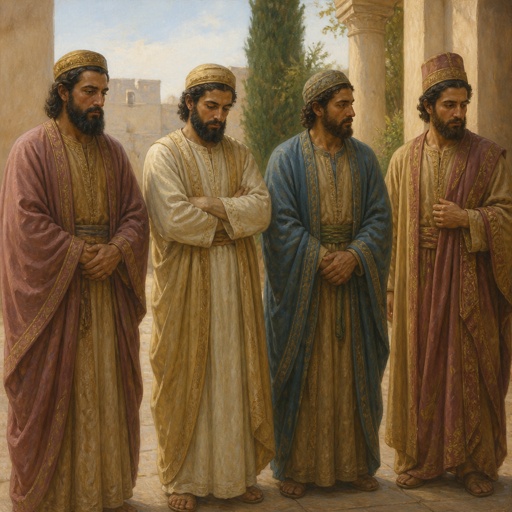
"And Parmashta, and Arisai, and Aridai, and Vajezatha," - Esther 9:9

Esther 9:31 - "To confirm these days of Purim in their times appointed, according as Mordecai the Jew and Esther the queen had enjoined them, and as they had decreed for themselves and for their seed, the matters of the fastings and their cry."

Esther 9:13 - "Then said Esther, If it please the king, let it be granted to the Jews which are in Shushan to do to morrow also according unto this day's decree, and let Haman's ten sons be hanged upon the gallows."
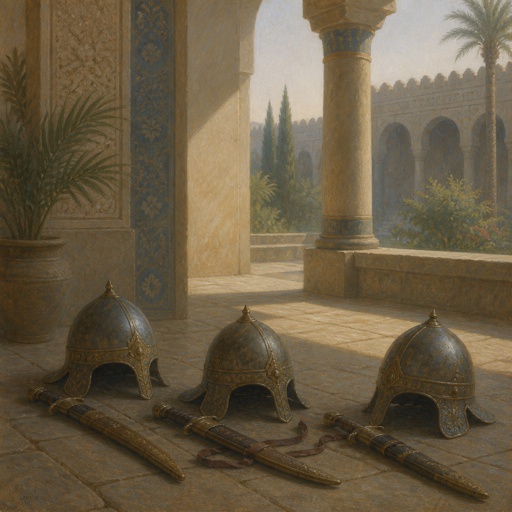
"And Parshandatha, and Dalphon, and Aspatha," - Esther 9:7
"And Poratha, and Adalia, and Aridatha," - Esther 9:8

Esther 9:6 - "And in Shushan the palace the Jews slew and destroyed five hundred men."

Esther 9:25 - "But when Esther came before the king, he commanded by letters that his wicked device, which he devised against the Jews, should return upon his own head, and that he and his sons should be hanged on the gallows."

Esther 9:10 - "The ten sons of Haman the son of Hammedatha, the enemy of the Jews, slew they; but on the spoil laid they not their hand."

Esther 9:23 - "And the Jews undertook to do as they had begun, and as Mordecai had written unto them;"
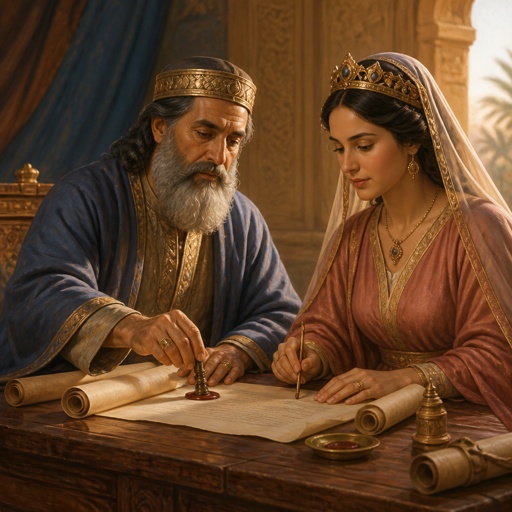
"Then Esther the queen, the daughter of Abihail, and Mordecai the Jew, wrote with all authority, to confirm this second letter of Purim." - Esther 9:29

Esther 9:17 - "On the thirteenth day of the month Adar; and on the fourteenth day of the same rested they, and made it a day of feasting and gladness."

Esther 1:9 - "Also Vashti the queen made a feast for the women in the royal house which belonged to king Ahasuerus."

Esther 9:14 - "And the king commanded it so to be done: and the decree was given at Shushan; and they hanged Haman's ten sons."

Esther 9:21 - "To stablish this among them, that they should keep the fourteenth day of the month Adar, and the fifteenth day of the same, yearly,"

Esther 1:11 - "To bring Vashti the queen before the king with the crown royal, to shew the people and the princes her beauty: for she was fair to look on."

Esther 3:11 - "And the king said unto Haman, The silver is given to thee, the people also, to do with them as it seemeth good to thee."

Esther 9:3 - "And all the rulers of the provinces, and the lieutenants, and the deputies, and officers of the king, helped the Jews; because the fear of Mordecai fell upon them."

Esther 9:30 - "And he sent the letters unto all the Jews, to the hundred twenty and seven provinces of the kingdom of Ahasuerus, with words of peace and truth,"

Esther 9:12 - "¶ And the king said unto Esther the queen, The Jews have slain and destroyed five hundred men in Shushan the palace, and the ten sons of Haman; what have they done in the rest of the king's provinces? now what is thy petition? and it shall be granted thee: or what is thy request further? and it shall be done."