What does Esther 9:17 mean?
“On the thirteenth day of the month Adar; and on the fourteenth day of the same rested they, and made it a day of feasting and gladness.” — Esther 9:17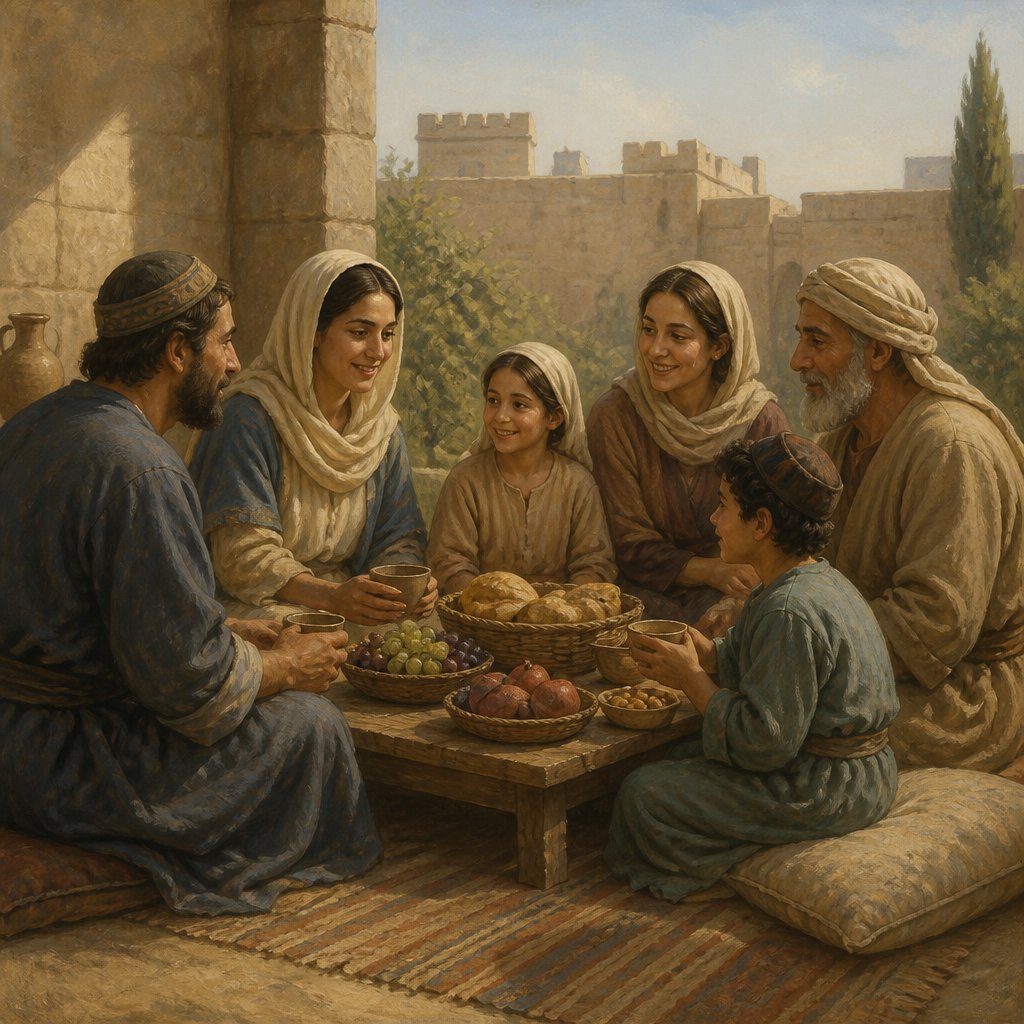
Esther 9:17 (KJV) says, "On the thirteenth day of the month Adar; and on the fourteenth day of the same rested they, and made it a day of feasting and gladness."
To truly understand the meaning and significance of this verse, it is important to provide some background on the Book of Esther. The Book of Esther is part of the Bible's Old Testament and is set during the Persian Empire. The story follows a Jewish woman named Esther who becomes queen, and through her courage and faith, she saves her people from a plot to destroy them. The verse in question takes place after the Jews have been granted permission to defend themselves against their enemies, who sought to exterminate them. The thirteenth day of the month Adar was the day that the Jews assembled and defended themselves, and the fourteenth day was a day of rest and celebration of their victory.
The verse signifies the turning point in the story when the Jews are finally granted victory over their enemies. It was a day of rest and feasting to honor the courage and perseverance of the Jewish people in the face of adversity. The theme of victory and celebration after enduring hardship and persecution is a central theme in the Book of Esther. Through faith and perseverance, Esther and her people overcome seemingly insurmountable odds and emerge triumphant.
The context of the verse is one of triumph and deliverance. The Jews were facing annihilation, but through Esther's intervention and the bravery of her people, they were able to not only defend themselves but also to emerge victorious. The rest and feasting mentioned in the verse are a symbol of the relief and joy that came with the realization that they were no longer under threat of destruction.
The symbolism in the verse is also significant. The thirteenth day of the month Adar represents the struggle and battles fought, while the fourteenth day represents the rest and celebration that follows. This symbolism of struggle and victory is a recurring theme in the Bible and serves as a reminder of the faithfulness and deliverance of God. It also symbolizes the cyclical nature of struggle and rest, mirroring the ebb and flow of life's trials and triumphs.
This verse also serves as a reminder of the importance of commemorating victories and remembering the faithfulness of God. The day of feasting and gladness was a way for the Jewish people to honor the deliverance they had received and to celebrate the faithfulness of God in their lives. It serves as a reminder to believers to always be mindful of and grateful for the victories and blessings that come their way, no matter how big or small.
In conclusion, Esther 9:17 is a powerful and meaningful verse that encapsulates the themes of triumph, celebration, and the faithfulness of God. It serves as a reminder of the importance of perseverance in the face of adversity and the need to always remember and celebrate the victories and deliverance one receives. The verse also symbolizes the cyclical nature of struggle and rest, serving as a powerful message of hope and encouragement for believers.
Get our apps


Artwork for Esther 9:17

Esther 9:17 - "On the thirteenth day of the month Adar; and on the fourteenth day of the same rested they, and made it a day of feasting and gladness."
"On the thirteenth day of the month Adar; and on the fourteenth day of the same rested they, and made it a day of feasting and gladness." - Esther 9:17

Esther 4:9 - "And Hatach came and told Esther the words of Mordecai."

Esther 1:17

Esther 9:32 - "And the decree of Esther confirmed these matters of Purim; and it was written in the book."

Esther 9:9 - "And Parmashta, and Arisai, and Aridai, and Vajezatha,"

Esther 4:17 - "So Mordecai went his way, and did according to all that Esther had commanded him."

Esther 9:29 - "Then Esther the queen, the daughter of Abihail, and Mordecai the Jew, wrote with all authority, to confirm this second letter of Purim."

"And Hatach came and told Esther the words of Mordecai." - Esther 4:9

Esther 9:8 - "And Poratha, and Adalia, and Aridatha,"

Esther 9:7 - "And Parshandatha, and Dalphon, and Aspatha,"

"And the decree of Esther confirmed these matters of Purim; and it was written in the book." - Esther 9:32
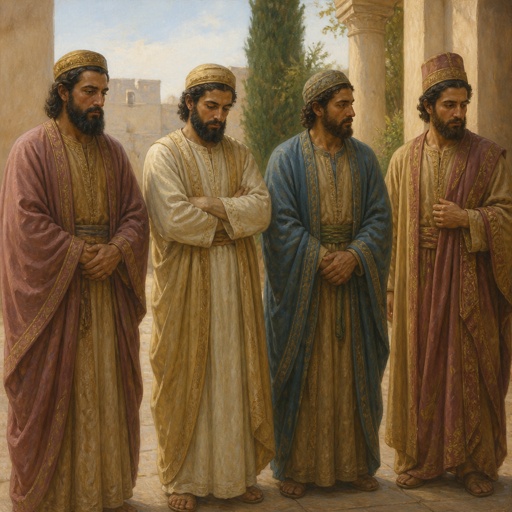
"And Parmashta, and Arisai, and Aridai, and Vajezatha," - Esther 9:9

Esther 9:31 - "To confirm these days of Purim in their times appointed, according as Mordecai the Jew and Esther the queen had enjoined them, and as they had decreed for themselves and for their seed, the matters of the fastings and their cry."

Esther 9:13 - "Then said Esther, If it please the king, let it be granted to the Jews which are in Shushan to do to morrow also according unto this day's decree, and let Haman's ten sons be hanged upon the gallows."

"And Parshandatha, and Dalphon, and Aspatha," - Esther 9:7
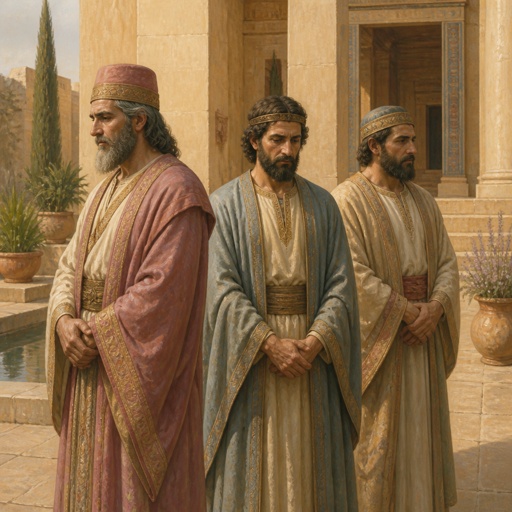
"And Poratha, and Adalia, and Aridatha," - Esther 9:8
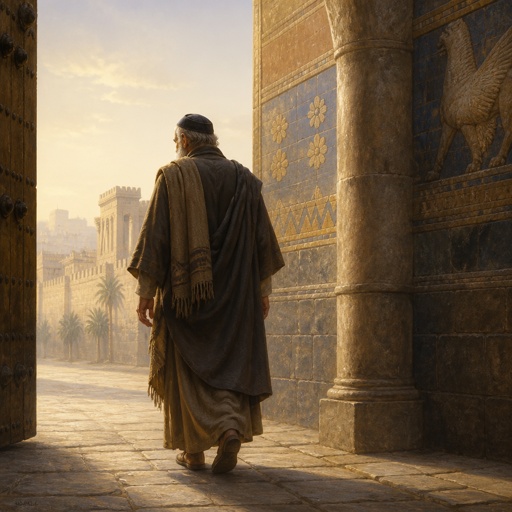
"So Mordecai went his way, and did according to all that Esther had commanded him." - Esther 4:17

Esther 9:6 - "And in Shushan the palace the Jews slew and destroyed five hundred men."

Esther 2:17 - "And the king loved Esther above all the women, and she obtained grace and favour in his sight more than all the virgins; so that he set the royal crown upon her head, and made her queen instead of Vashti."

Esther 9:25 - "But when Esther came before the king, he commanded by letters that his wicked device, which he devised against the Jews, should return upon his own head, and that he and his sons should be hanged on the gallows."

Esther 9:10 - "The ten sons of Haman the son of Hammedatha, the enemy of the Jews, slew they; but on the spoil laid they not their hand."

Esther 9:11 - "On that day the number of those that were slain in Shushan the palace was brought before the king."

Esther 9:23 - "And the Jews undertook to do as they had begun, and as Mordecai had written unto them;"
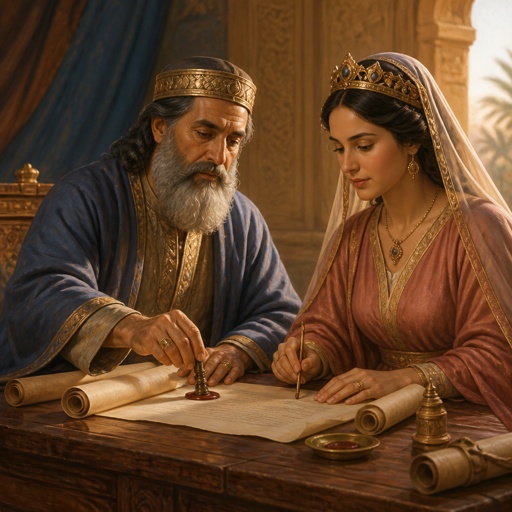
"Then Esther the queen, the daughter of Abihail, and Mordecai the Jew, wrote with all authority, to confirm this second letter of Purim." - Esther 9:29

Esther 1:9 - "Also Vashti the queen made a feast for the women in the royal house which belonged to king Ahasuerus."

Esther 9:14 - "And the king commanded it so to be done: and the decree was given at Shushan; and they hanged Haman's ten sons."

Esther 9:21 - "To stablish this among them, that they should keep the fourteenth day of the month Adar, and the fifteenth day of the same, yearly,"

Esther 9:3 - "And all the rulers of the provinces, and the lieutenants, and the deputies, and officers of the king, helped the Jews; because the fear of Mordecai fell upon them."

Esther 9:30 - "And he sent the letters unto all the Jews, to the hundred twenty and seven provinces of the kingdom of Ahasuerus, with words of peace and truth,"