What does Esther 9:22 mean?
“As the days wherein the Jews rested from their enemies, and the month which was turned unto them from sorrow to joy, and from mourning into a good day: that they should make them days of feasting and joy, and of sending portions one to another, and gifts to the poor.” — Esther 9:22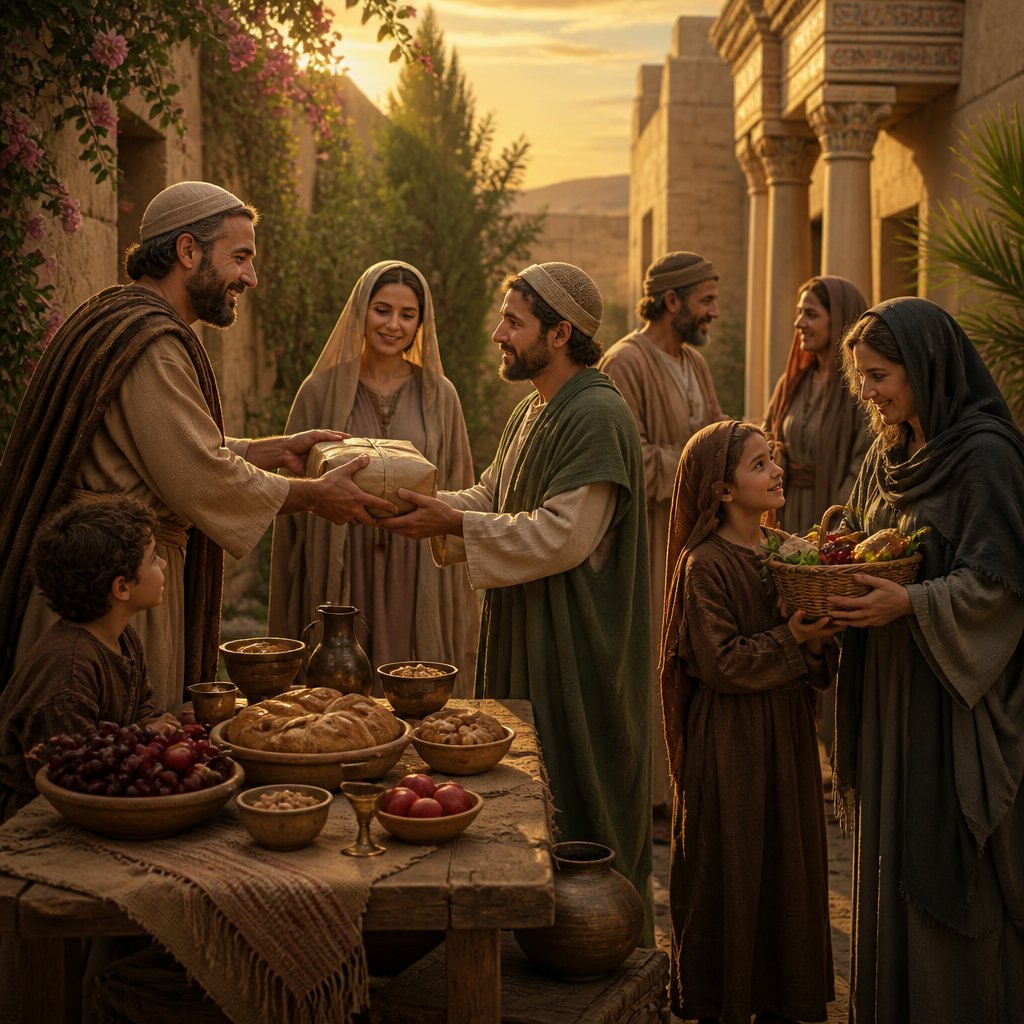
Esther 9:22 from the King James Version of the Bible states, "As the days wherein the Jews rested from their enemies, and the month which was turned unto them from sorrow to joy, and from mourning into a good day: that they should make them days of feasting and joy, and of sending portions one to another, and gifts to the poor."
The book of Esther is a powerful account of a young Jewish woman who becomes the queen of Persia and uses her position to save her people from destruction. The story is set during the reign of King Xerxes (Ahasuerus) and is a dramatic tale of courage, faith, and divine intervention. The particular verse in question reflects the celebration and victory of the Jewish people over their enemies, and it offers a deeper meaning and commentary on several important themes.
One of the central themes in this verse is the concept of God's deliverance and providence. Throughout the book of Esther, God is working behind the scenes to protect and save His people. Even though the name of God is not explicitly mentioned in the book, His presence and intervention are evident as events unfold. This verse serves as a reminder of God's faithfulness and His ability to turn times of sorrow and mourning into days of joy and celebration. It is a testament to the fact that even in the face of great adversity, God's hand is always at work, ultimately bringing about redemption and deliverance for His people.
Another important theme in this verse is that of remembrance and celebration. The Jewish people were commanded to commemorate the days of their deliverance by making them days of feasting and joy. This celebration was to include the giving of gifts to the poor, symbolizing the importance of generosity and compassion. The act of sending portions to one another and giving gifts to the poor not only serves as a way to express gratitude and joy but also as a means of fostering unity and solidarity within the community. This theme of remembrance and celebration is significant as it highlights the importance of acknowledging and honoring God's faithfulness and deliverance in our lives, as well as the importance of coming together as a community to share in the joy and blessings that God provides.
Symbolism plays a significant role in this verse as well. The transformation of the month from sorrow to joy and mourning into a good day symbolizes the contrast between the darkness of despair and the brightness of hope and triumph. It signifies the power of God to turn a situation that seems hopeless into one that is filled with joy and celebration. Additionally, the act of sending portions and gifts to the poor symbolizes the idea of sharing one's blessings with others and caring for those in need, reflecting the Christian principle of love and compassion for others. It also symbolizes the restoration and renewal that comes with God's deliverance, emphasizing the idea of a fresh start and a new beginning.
In conclusion, Esther 9:22 from the King James Version of the Bible is a verse that carries deep meaning and significance. It reflects the themes of God's deliverance and providence, remembrance and celebration, and the symbolism of transformation and generosity. The verse serves as a reminder of the faithfulness of God and the importance of acknowledging and celebrating His work in our lives. It also challenges us to share our blessings with others and to come together in unity and joy. It is a powerful testament to God's ability to turn times of sorrow and mourning into days of feasting and joy, and it encourages us to recognize and appreciate His hand at work in our lives.
Get our apps


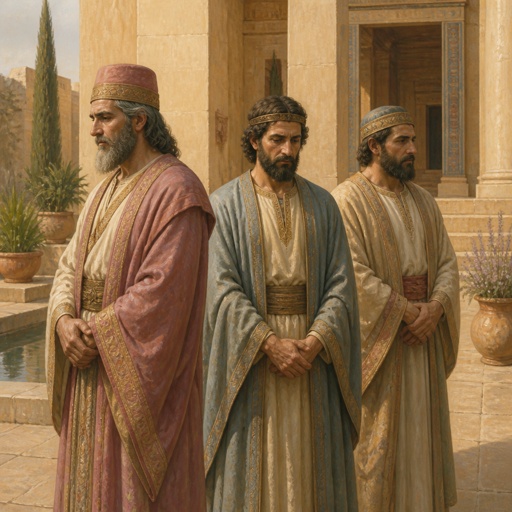
Artwork for Esther 9:22
Esther 9:22 - "As the days wherein the Jews rested from their enemies, and the month which was turned unto them from sorrow to joy, and from mourning into a good day: that they should make them days of feasting and joy, and of sending portions one to another, and gifts to the poor."
"As the days wherein the Jews rested from their enemies, and the month which was turned unto them from sorrow to joy, and from mourning into a good day: that they should make them days of feasting and joy, and of sending portions one to another, and gifts to the poor." - Esther 9:22

Esther 2:22 - "And the thing was known to Mordecai, who told it unto Esther the queen; and Esther certified the king thereof in Mordecai's name."

Esther 4:9 - "And Hatach came and told Esther the words of Mordecai."

Esther 9:32 - "And the decree of Esther confirmed these matters of Purim; and it was written in the book."

Esther 9:9 - "And Parmashta, and Arisai, and Aridai, and Vajezatha,"

Esther 9:29 - "Then Esther the queen, the daughter of Abihail, and Mordecai the Jew, wrote with all authority, to confirm this second letter of Purim."

"And Hatach came and told Esther the words of Mordecai." - Esther 4:9

Esther 9:8 - "And Poratha, and Adalia, and Aridatha,"

Esther 9:7 - "And Parshandatha, and Dalphon, and Aspatha,"

"And the thing was known to Mordecai, who told it unto Esther the queen; and Esther certified the king thereof in Mordecai's name." - Esther 2:22

"And the decree of Esther confirmed these matters of Purim; and it was written in the book." - Esther 9:32
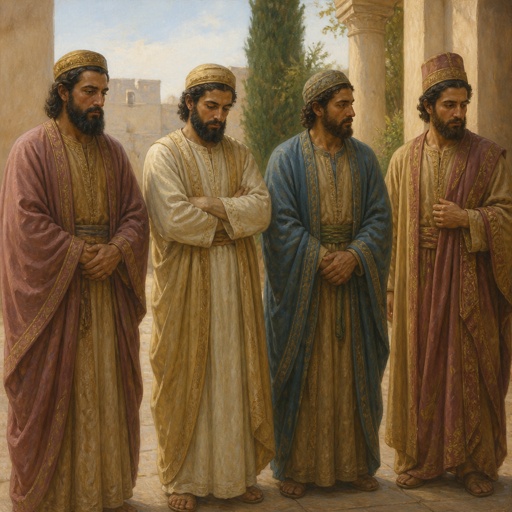
"And Parmashta, and Arisai, and Aridai, and Vajezatha," - Esther 9:9

Esther 9:31 - "To confirm these days of Purim in their times appointed, according as Mordecai the Jew and Esther the queen had enjoined them, and as they had decreed for themselves and for their seed, the matters of the fastings and their cry."

Esther 9:13 - "Then said Esther, If it please the king, let it be granted to the Jews which are in Shushan to do to morrow also according unto this day's decree, and let Haman's ten sons be hanged upon the gallows."

"And Parshandatha, and Dalphon, and Aspatha," - Esther 9:7
"And Poratha, and Adalia, and Aridatha," - Esther 9:8

Esther 9:6 - "And in Shushan the palace the Jews slew and destroyed five hundred men."

Esther 9:25 - "But when Esther came before the king, he commanded by letters that his wicked device, which he devised against the Jews, should return upon his own head, and that he and his sons should be hanged on the gallows."

Esther 9:10 - "The ten sons of Haman the son of Hammedatha, the enemy of the Jews, slew they; but on the spoil laid they not their hand."

Esther 9:11 - "On that day the number of those that were slain in Shushan the palace was brought before the king."

Esther 9:23 - "And the Jews undertook to do as they had begun, and as Mordecai had written unto them;"

"Then Esther the queen, the daughter of Abihail, and Mordecai the Jew, wrote with all authority, to confirm this second letter of Purim." - Esther 9:29

Esther 9:17 - "On the thirteenth day of the month Adar; and on the fourteenth day of the same rested they, and made it a day of feasting and gladness."

Esther 1:9 - "Also Vashti the queen made a feast for the women in the royal house which belonged to king Ahasuerus."

Esther 9:14 - "And the king commanded it so to be done: and the decree was given at Shushan; and they hanged Haman's ten sons."

Esther 9:21 - "To stablish this among them, that they should keep the fourteenth day of the month Adar, and the fifteenth day of the same, yearly,"

Esther 9:3 - "And all the rulers of the provinces, and the lieutenants, and the deputies, and officers of the king, helped the Jews; because the fear of Mordecai fell upon them."

Esther 9:30 - "And he sent the letters unto all the Jews, to the hundred twenty and seven provinces of the kingdom of Ahasuerus, with words of peace and truth,"

Esther 9:12 - "¶ And the king said unto Esther the queen, The Jews have slain and destroyed five hundred men in Shushan the palace, and the ten sons of Haman; what have they done in the rest of the king's provinces? now what is thy petition? and it shall be granted thee: or what is thy request further? and it shall be done."