What does Exodus 1:18 mean?
"And the king of Egypt called for the midwives, and said unto them, Why have ye done this thing, and have saved the men children alive?" - Exodus 1:18
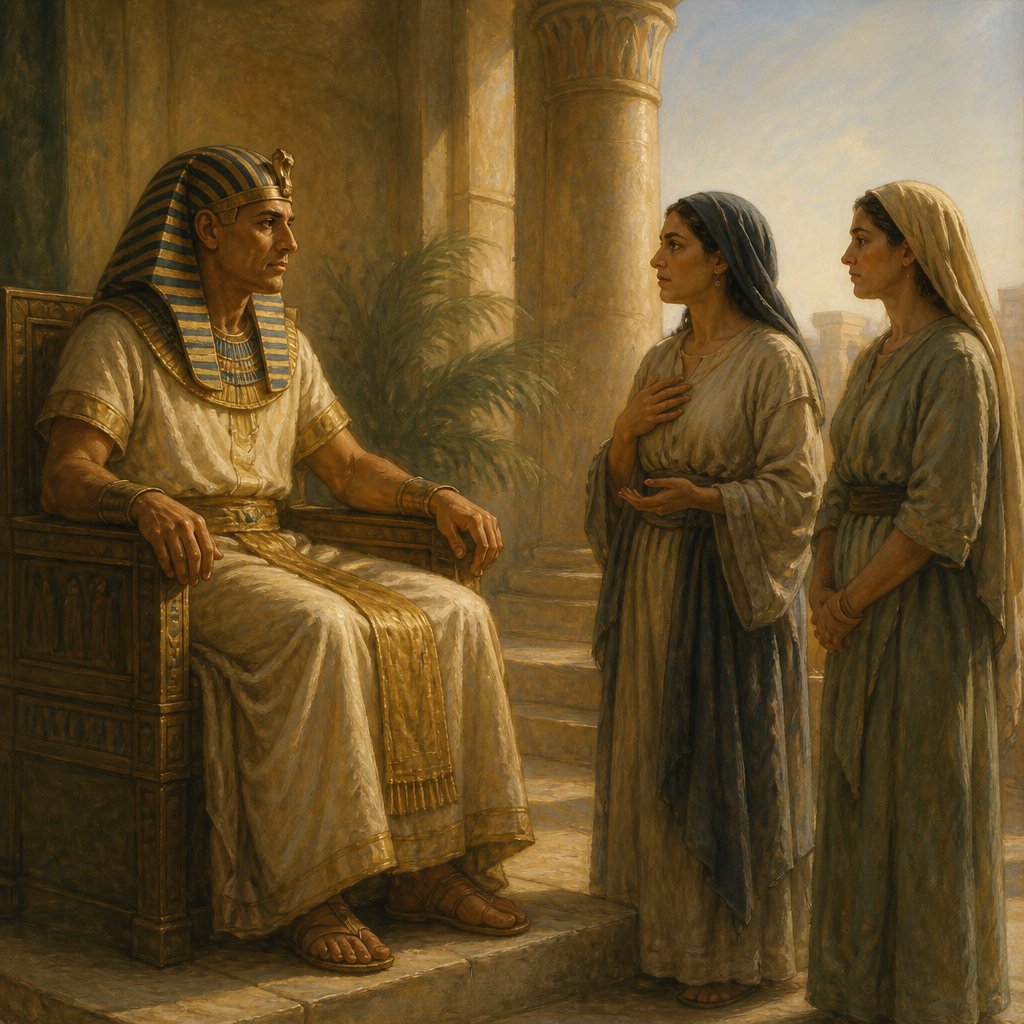
Exodus 1:18 in the King James Version of the Bible reads, "And the king of Egypt called for the midwives, and said unto them, Why have ye done this thing, and have saved the men-children alive?" This verse comes from the book of Exodus, which details the Israelites' enslavement in Egypt and their eventual liberation.
In this particular verse, the king of Egypt, also known as Pharaoh, confronts the Hebrew midwives who were instructed to kill all male Hebrew babies at birth. However, the midwives defied the orders of the king and instead allowed the male children to live. This act of disobedience and defiance against the authority of Pharaoh demonstrates the midwives' bravery and commitment to their faith and morality.
The context of this verse is crucial for understanding its significance. At the time, the Israelites had become a threat to the Egyptians due to their rapid population growth. Fearing that the Israelites would become too numerous and powerful, Pharaoh issued a decree to kill all Hebrew male infants. It was in this oppressive and hostile environment that the midwives chose to prioritize the sanctity of life over the edict of the king.
The theme of resistance against injustice and oppression is prevalent in this verse. The midwives' refusal to comply with Pharaoh's orders represents a powerful act of civil disobedience and moral courage. They risked their own safety and livelihood to protect the lives of innocent children, showcasing the strength of their convictions and their unwavering commitment to doing what is right, even in the face of immense societal pressure.
Additionally, the verse highlights the power dynamics of authority and the moral responsibility of individuals. Pharaoh, as the ruler of Egypt, held immense power and authority over the lives of the Hebrew people. However, the midwives' actions demonstrate that there are higher moral laws that supersede the dictates of earthly rulers. Their allegiance to God's commandments and their conscience took precedence over the demands of a human tyrant.
Symbolism also plays a significant role in this verse. The midwives can be seen as symbols of resistance and defiance against unjust authority. Their decision to protect the male children represents the enduring spirit of resistance against oppressive regimes throughout history. The act of saving the male infants can also be interpreted as a symbol of hope and resilience in the face of adversity, as it ensured the survival and continuation of the Israelite people.
Furthermore, this verse serves as a reminder of the ongoing struggle for justice and righteousness in the world. The midwives' act of disobedience inspires individuals to stand up against injustice and to defend the vulnerable, even when it requires great personal sacrifice. Their bravery serves as a timeless example of the power of moral courage and the enduring pursuit of freedom and dignity for all.
In conclusion, Exodus 1:18 from the King James Version of the Bible offers a profound meditation on themes of resistance, morality, and the enduring power of human conscience. The midwives' act of defiance against Pharaoh's decree carries timeless significance and serves as an enduring example of the potential for individuals to challenge injustice and uphold their moral convictions. This verse continues to resonate as a powerful call to confront oppression and to defend the sanctity of life, even in the most difficult circumstances.
Have questions about Exodus 1:18?
Dive deeper into this scripture with Bible Chat — an AI-powered tool for exploring God's Word through conversation. Ask questions, get context, and grow in your understanding of the Bible.
Get Our Apps


Exodus 1:18 Artwork

Exodus 1:18 - "And the king of Egypt called for the midwives, and said unto them, Why have ye done this thing, and have saved the men children alive?"
"And the king of Egypt called for the midwives, and said unto them, Why have ye done this thing, and have saved the men children alive?" - Exodus 1:18

Exodus 1:8 - "Now there arose up a new king over Egypt, which knew not Joseph."
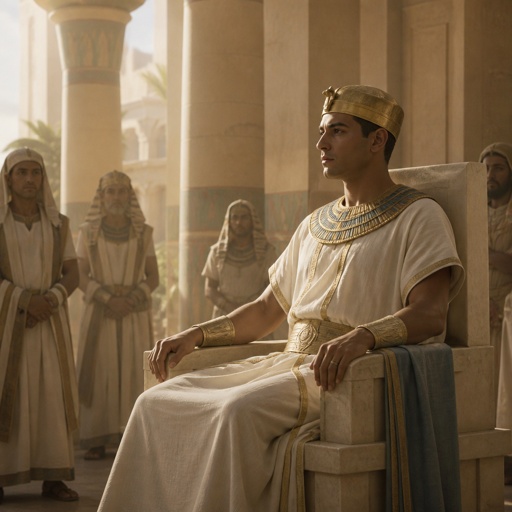
"Now there arose up a new king over Egypt, which knew not Joseph." - Exodus 1:8

Exodus 18

Exodus 31: 18

exodus 18:11

Exodus 18:1 - "When Jethro, the priest of Midian, Moses' father in law, heard of all that God had done for Moses, and for Israel his people, and that the LORD had brought Israel out of Egypt;"

Exodus 22:18 - "¶ Thou shalt not suffer a witch to live."

Exodus 15:18 - "The LORD shall reign for ever and ever."

Exodus 35:18 - "The pins of the tabernacle, and the pins of the court, and their cords,"

Exodus 28:18 - "And the second row shall be an emerald, a sapphire, and a diamond."

Exodus 10:18 - "And he went out from Pharaoh, and intreated the LORD."

Exodus 18:18 - "Thou wilt surely wear away, both thou, and this people that is with thee: for this thing is too heavy for thee; thou art not able to perform it thyself alone."

Exodus 33:18 - "And he said, I beseech thee, shew me thy glory."

Exodus 36:18 - "And he made fifty taches of brass to couple the tent together, that it might be one."

Exodus 26:18 - "And thou shalt make the boards for the tabernacle, twenty boards on the south side southward."
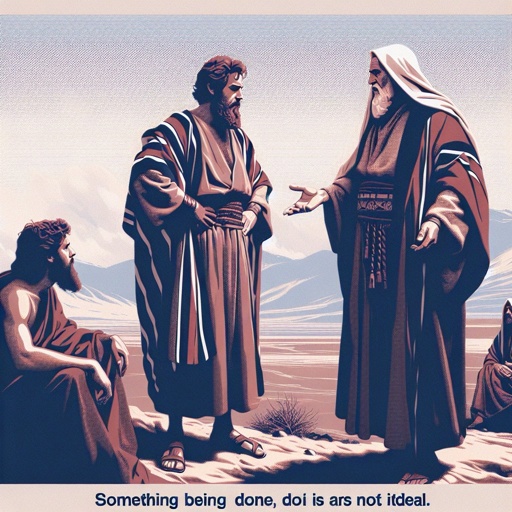
Exodus 18:17 - "And Moses' father in law said unto him, The thing that thou doest is not good."

"And mount Sinai was altogether on a smoke, because the LORD descended upon it in fire: and the smoke thereof ascended as the smoke of a furnace, and the whole mount quaked greatly." - Exodus 19:18

Exodus 2:18 - "And when they came to Reuel their father, he said, How is it that ye are come so soon to day?"

"¶ Thou shalt not suffer a witch to live." - Exodus 22:18

"The LORD shall reign for ever and ever." - Exodus 15:18

"The pins of the tabernacle, and the pins of the court, and their cords," - Exodus 35:18
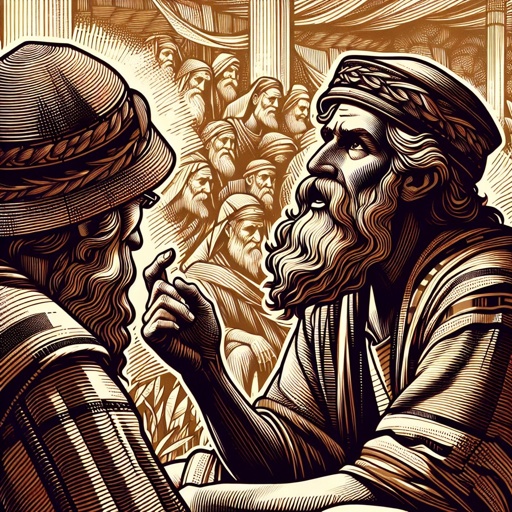
Exodus 18:24 - "So Moses hearkened to the voice of his father in law, and did all that he had said."

Exodus 18:27 - "¶ And Moses let his father in law depart; and he went his way into his own land."

Exodus 18:15 - "And Moses said unto his father in law, Because the people come unto me to enquire of God:"
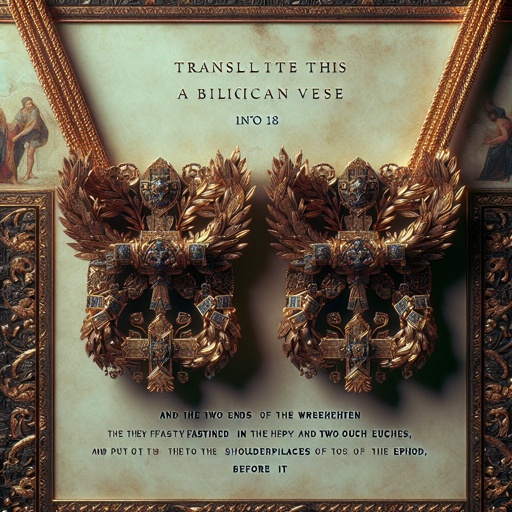
Exodus 39:18 - "And the two ends of the two wreathen chains they fastened in the two ouches, and put them on the shoulderpieces of the ephod, before it."
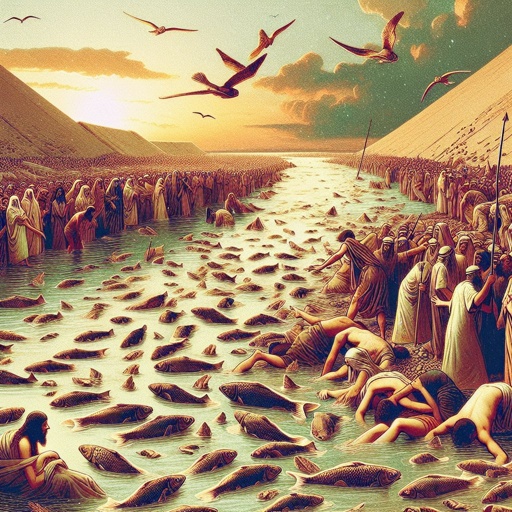
Exodus 7:18 - "And the fish that is in the river shall die, and the river shall stink; and the Egyptians shall lothe to drink of the water of the river."

Exodus 24:18 - "And Moses went into the midst of the cloud, and gat him up into the mount: and Moses was in the mount forty days and forty nights."

Exodus 18:13 - "¶ And it came to pass on the morrow, that Moses sat to judge the people: and the people stood by Moses from the morning unto the evening."