What does Exodus 10:17 mean?
“Now therefore forgive, I pray thee, my sin only this once, and intreat the LORD your God, that he may take away from me this death only.” — Exodus 10:17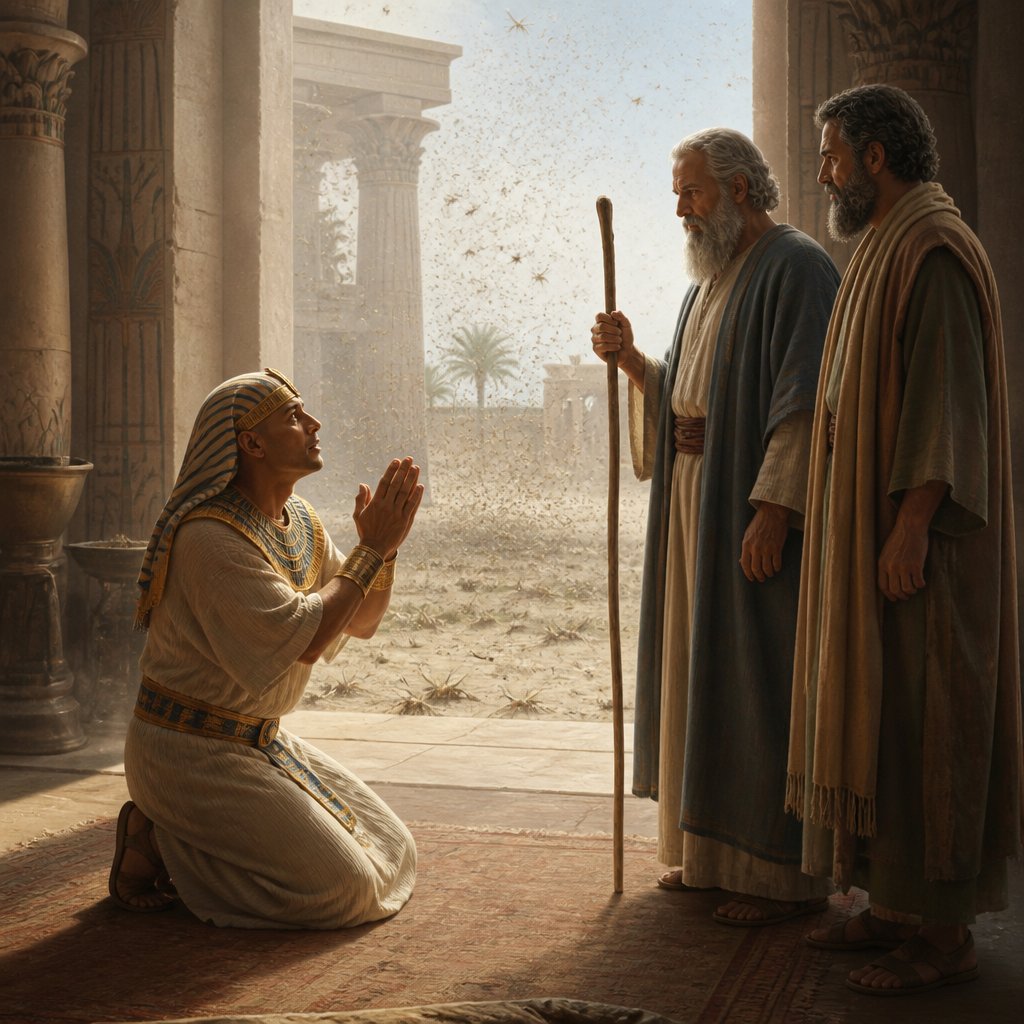
Exodus 10:17 from the King James Version of the Bible states: "Now therefore forgive, I pray thee, my sin only this once, and entreat the LORD your God, that he may take away from me this death only."
This verse is part of the story of the plagues in Egypt, as Moses and Aaron petition Pharaoh to let the Israelites go. The plagues were a demonstration of God's power and a punishment for Pharaoh's refusal to release the Israelites from slavery. In this particular verse, Pharaoh is begging Moses and Aaron to ask God to remove the plague of locusts from Egypt.
The immediate context of this verse is the ongoing confrontation between Moses, as the representative of God, and Pharaoh, the ruler of Egypt. Pharaoh's heart is hardened, and he refuses to let the Israelites leave despite the devastation caused by the plagues. The locusts are the eighth plague to befall Egypt, and they have destroyed the crops and vegetation, causing widespread famine and suffering. Pharaoh, feeling the impact of the plague, is now willing to make a concession in the hopes of relief from the plague.
In this verse, Pharaoh is asking for forgiveness and relief from the specific consequence of his sin, which is the plague of locusts. He recognizes that his sin is the cause of the suffering, and he is seeking mercy from God. This is significant because it shows a moment of humility and desperation on Pharaoh's part. He is acknowledging his wrongdoing and is willing to make amends in order to alleviate the suffering of his people.
The theme of forgiveness and mercy is central to this verse. Pharaoh is pleading with Moses and Aaron to intercede on his behalf and ask God to remove the plague. He is appealing to God's compassion and seeking forgiveness for his sin. This demonstrates the recognition of divine authority and the power of God to grant mercy in response to genuine repentance.
Another theme that can be observed in this verse is the sovereignty of God. Pharaoh acknowledges that it is the Lord their God who has brought about the plague of locusts, and he understands that only God has the power to remove it. This highlights the overarching power and control of God over all creation, including the rulers of the earth. The narrative of the plagues serves as a testament to God's ability to assert his authority and sovereignty over the nations.
The symbolism present in this verse lies in the contrast between Pharaoh's pride and God's mercy. Throughout the story, Pharaoh's heart is hardened, and he repeatedly refuses to humble himself before God. However, in this moment, he is willing to set aside his pride and beg for forgiveness. This symbolizes the transformative power of God's mercy and the capacity for repentance and redemption, even in the most stubborn of hearts.
Overall, Exodus 10:17 is a poignant moment in the story of the plagues, where Pharaoh, in a rare instance of humility, seeks forgiveness and relief from the consequences of his sin. This verse highlights the themes of forgiveness, mercy, and the sovereignty of God, and it serves as a symbol of the transformative power of repentance and redemption.
Get our apps


Artwork for Exodus 10:17

Exodus 10:17 - "Now therefore forgive, I pray thee, my sin only this once, and intreat the LORD your God, that he may take away from me this death only."
"Now therefore forgive, I pray thee, my sin only this once, and intreat the LORD your God, that he may take away from me this death only." - Exodus 10:17
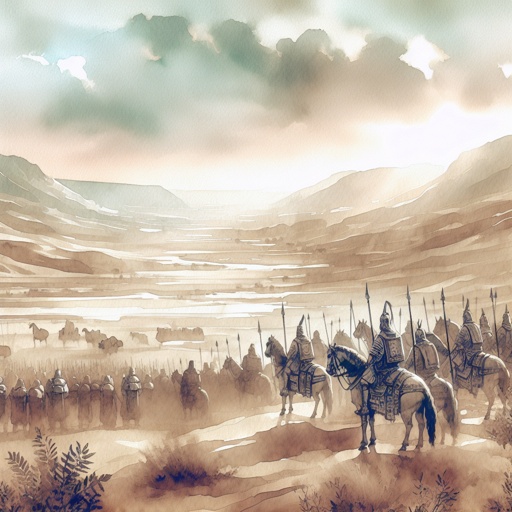
Exodus 17:10

Exodus 17:10 - "So Joshua did as Moses had said to him, and fought with Amalek: and Moses, Aaron, and Hur went up to the top of the hill."

Exodus 17:11

Exodus 17:6

Exodus 17:3

Exodus 17:3
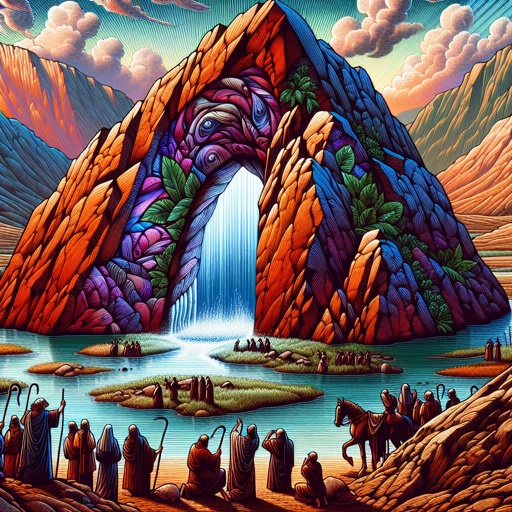
Exodus 17:6

Exodus 17:6

Exodus 24:17

Exodus 17:6

Exodus 30:17 - "¶ And the LORD spake unto Moses, saying,"

Exodus 17:8 - "¶ Then came Amalek, and fought with Israel in Rephidim."

"So Joshua did as Moses had said to him, and fought with Amalek: and Moses, Aaron, and Hur went up to the top of the hill." - Exodus 17:10

Exodus 7:10

Exodus 7:10

Exodus 10:12

Exodus 10:12

Exodus 10:12

Exodus 13:17-14:29

Romans 10:17

Romans 10:17

Romans 10:17

Exodus 6:17 - "The sons of Gershon; Libni, and Shimi, according to their families."

Exodus 34:17 - "Thou shalt make thee no molten gods."

Romans 10:17

Romans 10:17

Romans 10:17

Exodus 17:15 - "And Moses built an altar, and called the name of it Jehovah-nissi:"