What does Exodus 10:3 mean?
“And Moses and Aaron came in unto Pharaoh, and said unto him, Thus saith the LORD God of the Hebrews, How long wilt thou refuse to humble thyself before me? let my people go, that they may serve me.” — Exodus 10:3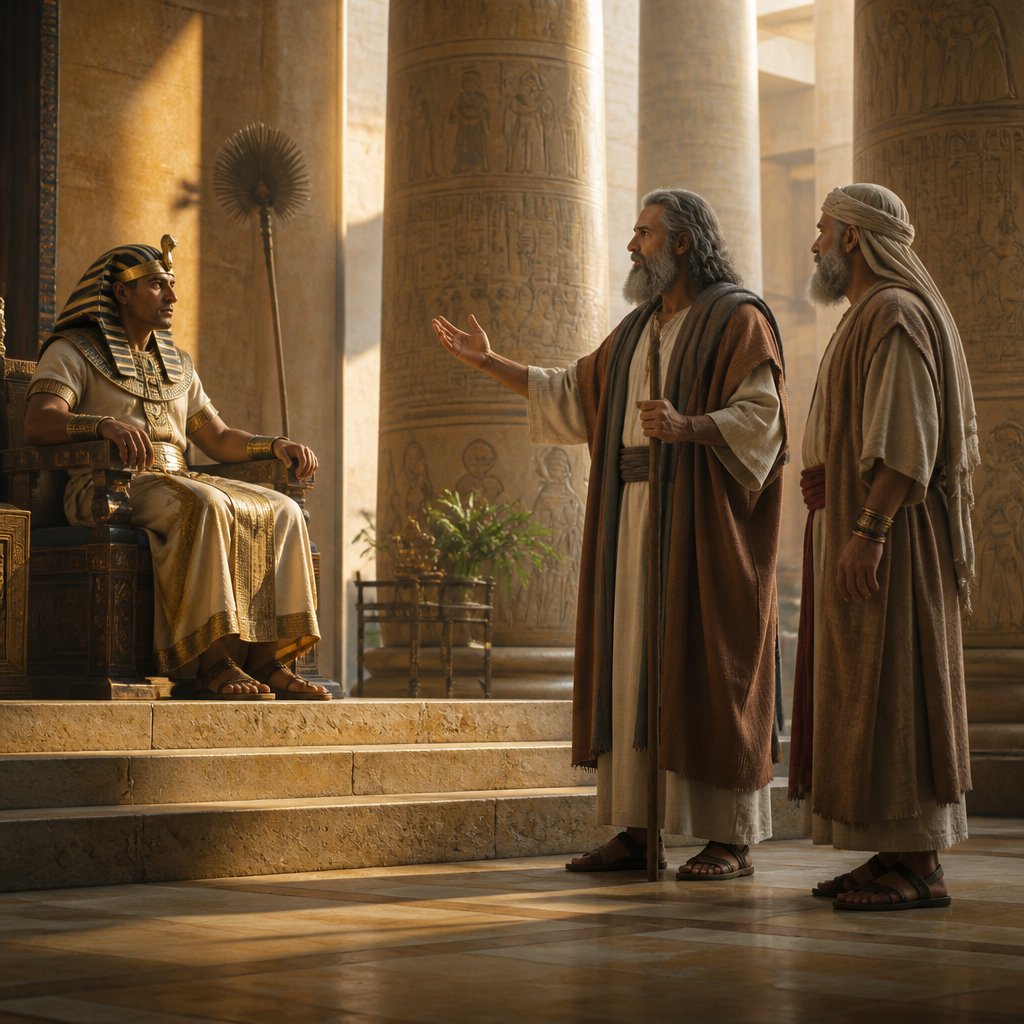
Exodus 10:3 in the King James Version of the Bible states, "And Moses and Aaron came in unto Pharaoh, and said unto him, Thus saith the Lord God of the Hebrews, How long wilt thou refuse to humble thyself before me? let my people go, that they may serve me." This verse is part of the story of the ten plagues that God sent to Egypt as a way to secure the release of the Israelites from slavery.
To fully understand the meaning and commentary of this verse, it is important to first consider the historical and cultural context in which it was written. The Israelites had been in bondage to the Egyptians for over 400 years, and God had heard their cries for deliverance. He raised up Moses, a Hebrew who had been raised in the house of Pharaoh, to be the spokesman and leader of the Israelites, and Aaron, his brother, to assist him. God empowered them to confront Pharaoh and demand the release of the Israelites.
In Exodus 10:3, we see Moses and Aaron once again approaching Pharaoh on behalf of the Lord. They confront the absolute power of Pharaoh with the absolute power of the Lord God of the Hebrews who was demanding that Pharaoh let His people go. The verse highlights the ongoing struggle between Pharaoh's stubborn refusal to humble himself before the Lord and the Lord's insistence that His people be set free so that they could worship and serve Him.
One of the central themes of Exodus 10:3 is the sovereignty and power of God. The verse emphasizes that the God of the Hebrews, Yahweh, is the one true God who rules over all the earth, including the gods of the Egyptians and their Pharaoh. The demand for Pharaoh to "humble" himself before the Lord speaks to the pride and arrogance of the Egyptian ruler, who considered himself a deity and refused to submit to the will of the one true God.
Another theme in this verse is the concept of freedom and servitude. The Israelites were enslaved in Egypt, and the Lord desired to set them free so that they could worship and serve Him. The freedom from physical bondage in Egypt was a symbol of the spiritual freedom that comes from serving the Lord and obeying His commandments. It is a reminder that true freedom is found in serving the Lord and being obedient to His will.
The symbolism in this verse is rich and multifaceted. Pharaoh represents the forces of oppression and pride that stand in opposition to God and His people. The demand to let the Israelites go represents the liberation of God's people from bondage and the restoration of their dignity and freedom. The call to serve God reminds us that true fulfillment and purpose are found in serving and worshiping the Lord.
In conclusion, Exodus 10:3 is a powerful verse that speaks to the ongoing struggle between God's sovereignty and human pride, between freedom and servitude. It challenges us to examine our own hearts and consider whether we are humble before the Lord and obedient to His will. It also reminds us that true freedom is found in serving and worshiping the one true God.
Get our apps


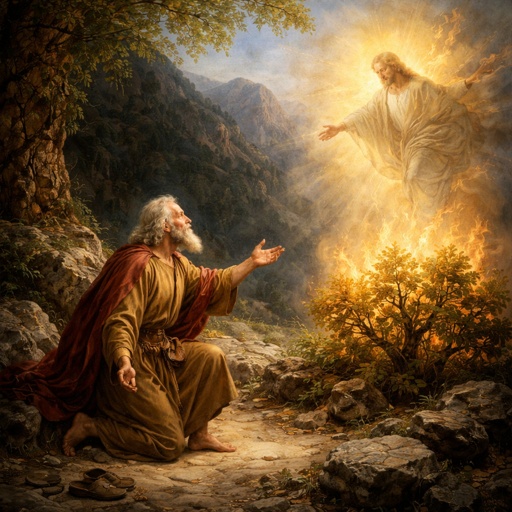
Artwork for Exodus 10:3
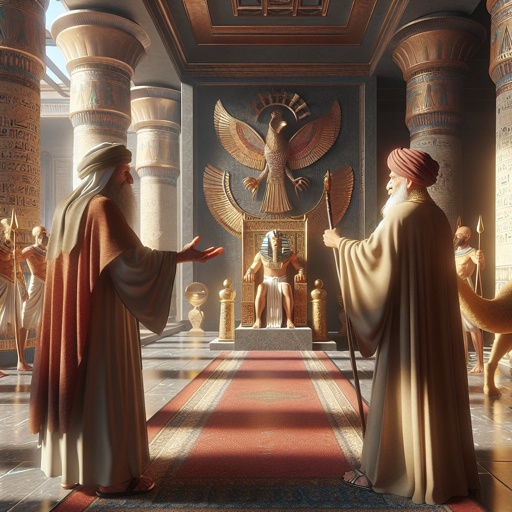
Exodus 10:3 - "And Moses and Aaron came in unto Pharaoh, and said unto him, Thus saith the LORD God of the Hebrews, How long wilt thou refuse to humble thyself before me? let my people go, that they may serve me."
"And Moses and Aaron came in unto Pharaoh, and said unto him, Thus saith the LORD God of the Hebrews, How long wilt thou refuse to humble thyself before me? let my people go, that they may serve me." - Exodus 10:3

Exodus 3:10 - "Come now therefore, and I will send thee unto Pharaoh, that thou mayest bring forth my people the children of Israel out of Egypt."

Exodus 7:10

Exodus 7:10

Exodus 10:12

Exodus 17:10

Exodus 10:12

Exodus 10:12
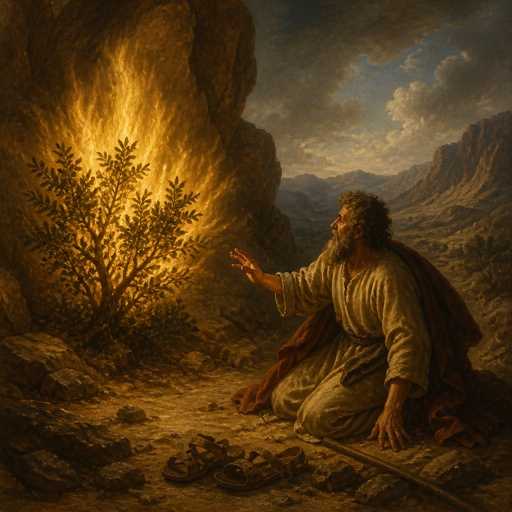
exodus 3

exodus 3

Exodus 25:10-22

Exodus 3:12

Exodus 3:12

Exodus 17:3

Exodus 3:12

Exodus 3:12

Exodus 3:12
exodus 3:11

Exodus 3:14

Exodus 3:14

Exodus 3:14

exodus 3:14

Exodus 3:14

Exodus 17:3

Exodus 3:12

Exodus 3:12

Exodus 6:10 - "And the LORD spake unto Moses, saying,"

Exodus 1:3 - "Issachar, Zebulun, and Benjamin,"

exodus 27:3 forks