What does Exodus 11:6 mean?
"And there shall be a great cry throughout all the land of Egypt, such as there was none like it, nor shall be like it any more." - Exodus 11:6
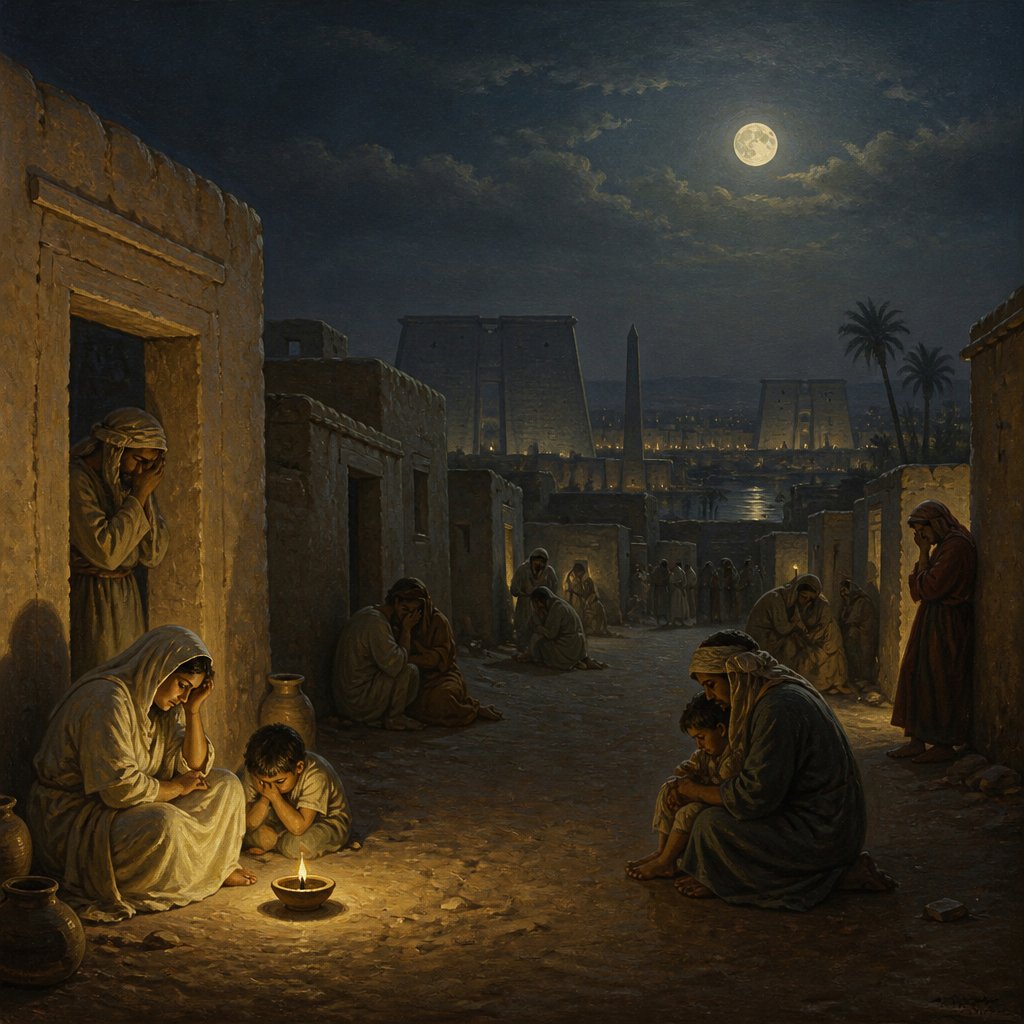
Exodus 11:6 (KJV) states, "And there shall be a great cry throughout all the land of Egypt, such as there was none like it, nor shall be like it any more."
This verse is part of the narrative of the ten plagues that God inflicted upon the land of Egypt in order to compel Pharaoh to release the Israelites from their bondage. It serves as a warning to all those who oppose God's will and a demonstration of His power over all creation. This verse is part of a larger passage in the Book of Exodus that recounts the final plague - the death of the firstborn - which ultimately led to the Israelites being set free from slavery in Egypt.
The verse captures the sense of impending doom and terror that the plague would bring to the land of Egypt. The "great cry throughout all the land" signifies the widespread and profound impact of the plague. It emphasizes the severity and magnitude of the consequences that the Egyptians would face as a result of their refusal to obey God's command. The phrase "such as there was none like it" suggests that the suffering and devastation wrought by this plague would be unparalleled and unprecedented in Egyptian history. Furthermore, the line "nor shall be like it any more" emphasizes the uniquely catastrophic nature of this event, signaling that it would leave a lasting mark on the land and its people.
The key theme in this verse is the divine judgment and sovereignty of God. Throughout the book of Exodus, God's control and authority over the natural world and human affairs are evident. The plagues serve as a demonstration of God's power and a testimony to His ability to deliver His people from oppression. The verse also underscores the consequences of disobedience or resistance to God's will. The suffering and lamentation that would result from the plague are a direct consequence of Pharaoh's obstinacy and refusal to heed God's command to release the Israelites.
The historical and cultural context of this verse is crucial to understanding its significance. In the ancient Near Eastern world, the belief in the power and authority of deities was central to the social and political order. The plagues in Exodus were not only a demonstration of God's power, but they also challenged the prevailing belief in the Egyptian deities and their ability to protect the land and its people. The imagery of a "great cry" reverberating throughout the land of Egypt would have resonated with the ancient audience, invoking a sense of awe and fear of the divine judgment.
The symbolism in this verse is the depiction of the consequences of sin and disobedience. The "great cry" represents the spiritual and moral anguish of the Egyptians as they faced the repercussions of their actions. It also symbolizes the universal lamentation that accompanies the consequences of sin and the judgment of God. Additionally, the phrase "there was none like it" serves as a reminder of the uniqueness and unparalleled nature of God's judgment, highlighting His unmatched power and authority.
In conclusion, Exodus 11:6 is a powerful and evocative verse that captures the impending devastation and terror that would befall the land of Egypt as a result of God's judgment. It serves as a poignant reminder of the consequences of disobedience and the sovereignty of God over all creation. The verse is a testament to the enduring relevance and significance of the biblical narrative, as it continues to inspire reflection and contemplation on the nature of divine justice and the consequences of human actions.
Have questions about Exodus 11:6?
Dive deeper into this scripture with Bible Chat — an AI-powered tool for exploring God's Word through conversation. Ask questions, get context, and grow in your understanding of the Bible.
Get Our Apps


Exodus 11:6 Artwork

Exodus 11:6 - "And there shall be a great cry throughout all the land of Egypt, such as there was none like it, nor shall be like it any more."
"And there shall be a great cry throughout all the land of Egypt, such as there was none like it, nor shall be like it any more." - Exodus 11:6

Exodus 6:11 - "Go in, speak unto Pharaoh king of Egypt, that he let the children of Israel go out of his land."

exodus 18:11
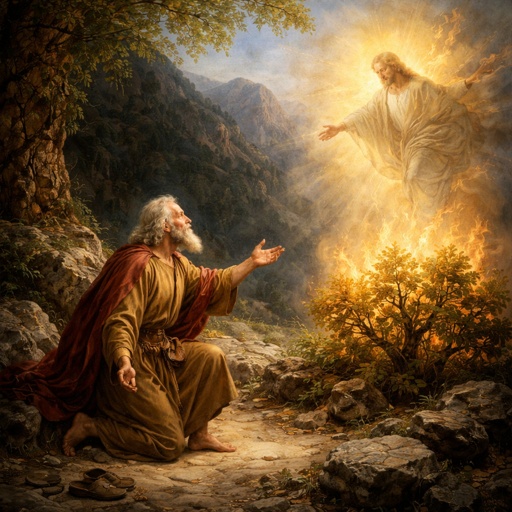
exodus 3:11

Exodus 17:11
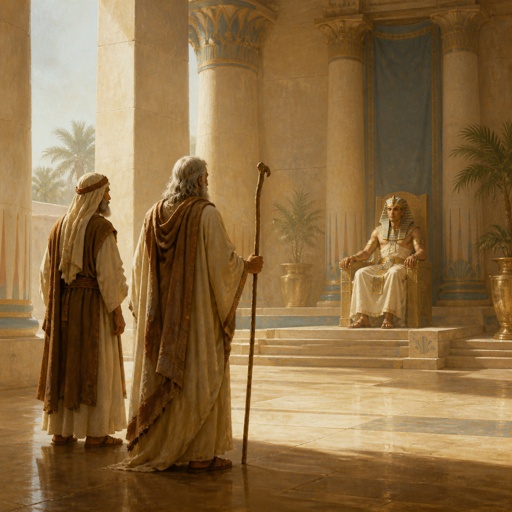
"Go in, speak unto Pharaoh king of Egypt, that he let the children of Israel go out of his land." - Exodus 6:11

Exodus 17:6

Exodus 17:6

Exodus 17:6

Exodus 17:6

The Plague on the Firstborn - Exodus 11
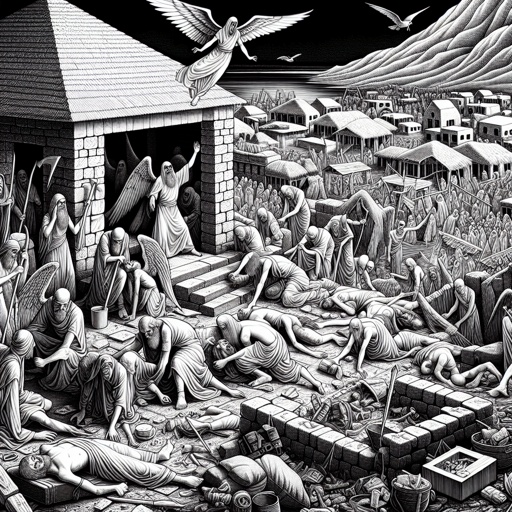
The Plague on the Firstborn - Exodus 11

The Plague on the Firstborn - Exodus 11
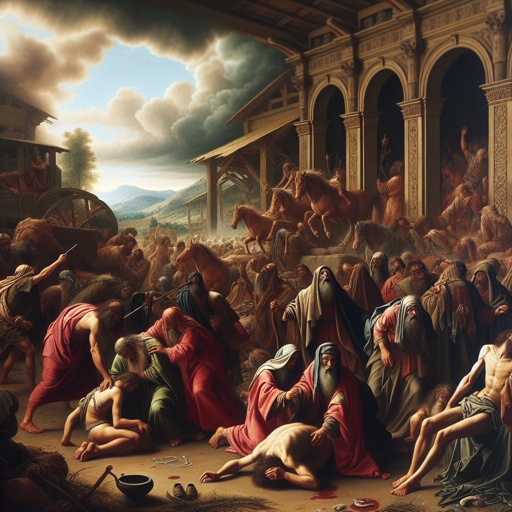
The Plague on the Firstborn - Exodus 11

Exodus 24:9-11

The Plague on the Firstborn - Exodus 11

The Plague on the Firstborn - Exodus 11

Exodus 16:11 - "¶ And the LORD spake unto Moses, saying,"

Exodus 30:11 - "¶ And the LORD spake unto Moses, saying,"

Exodus 39:11 - "And the second row, an emerald, a sapphire, and a diamond."

The Plague on the Firstborn Son - Exodus 11

Exodus 6:21 - "¶ And the sons of Izhar; Korah, and Nepheg, and Zichri."

Exodus 6:22 - "And the sons of Uzziel; Mishael, and Elzaphan, and Zithri."

Exodus 6:10 - "And the LORD spake unto Moses, saying,"

Exodus 40:11 - "And thou shalt anoint the laver and his foot, and sanctify it."

Exodus 6:17 - "The sons of Gershon; Libni, and Shimi, according to their families."

Exodus 35:6 - "And blue, and purple, and scarlet, and fine linen, and goats' hair,"

Exodus 25:6 - "Oil for the light, spices for anointing oil, and for sweet incense,"

Exodus 1:6 - "And Joseph died, and all his brethren, and all that generation."