What does Exodus 12:20 mean?
"Ye shall eat nothing leavened; in all your habitations shall ye eat unleavened bread." - Exodus 12:20
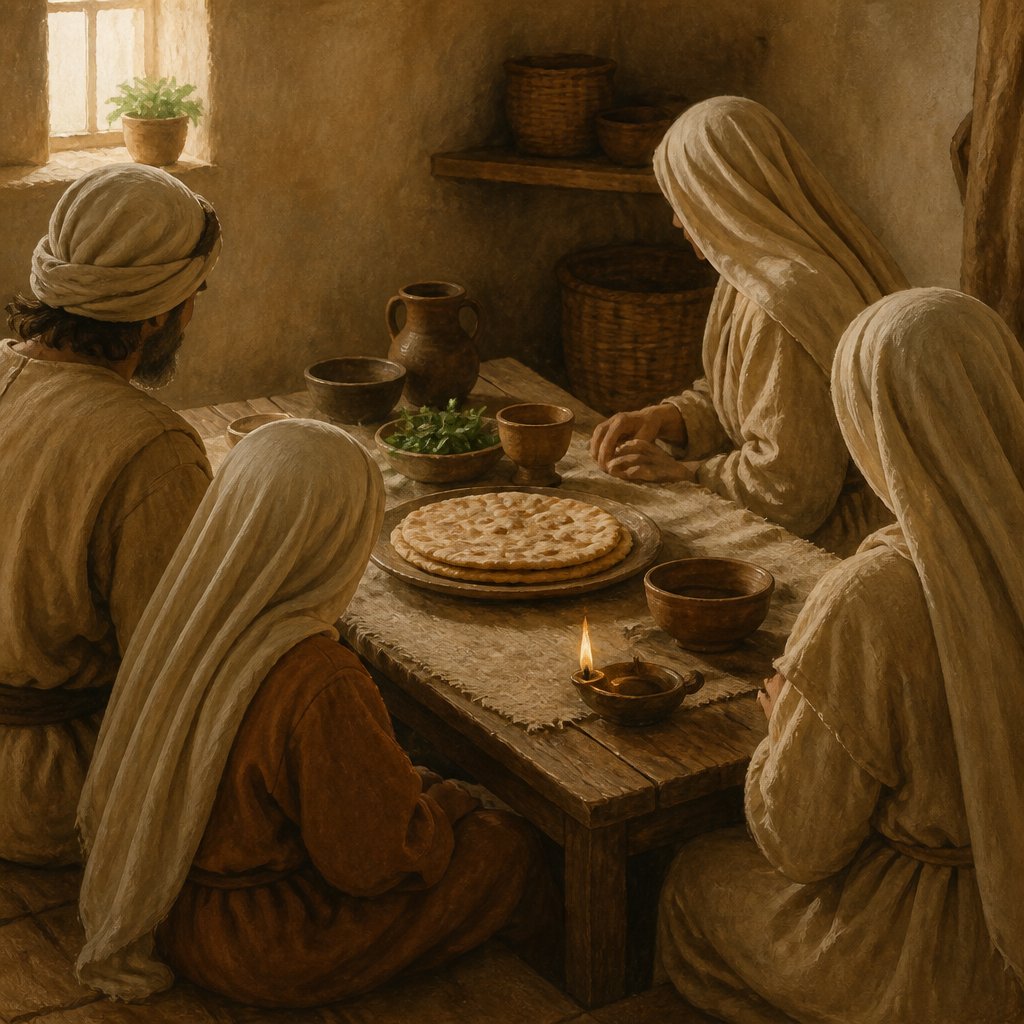
Exodus 12:20 (KJV) says, "Ye shall eat nothing leavened; in all your habitations shall ye eat unleavened bread." This verse is part of the instructions given to the Israelites by God through Moses regarding the observance of the Passover. The context of this verse is the preparation for the Passover feast, which commemorates the Israelites' liberation from slavery in Egypt. The symbolism and themes in this verse can be understood through a deeper examination of its historical, cultural, and spiritual significance.
The Passover is one of the most important festivals in the Jewish tradition, and it holds great significance for Christians as well. It serves as a reminder of God's faithfulness and redemption, and it points to the ultimate sacrifice of Jesus Christ as the Passover Lamb. In the context of Exodus 12:20, the instruction to eat unleavened bread and avoid leavened products is a symbolic gesture that represents the Israelites' haste to leave Egypt. When they were instructed to prepare for their departure, they were told not to use leaven in their bread because it takes time to rise. They needed to be ready to leave at a moment's notice, and unleavened bread was a practical choice for their journey.
Leaven, in the Bible, often represents sin, corruption, and impurity. Throughout the Old and New Testaments, leaven is used as a metaphor for negative influences that can spread and taint the whole. In the New Testament, Jesus warned his disciples to beware of the "leaven of the Pharisees and the Sadducees," referring to their false teachings and hypocrisy (Matthew 16:6). In this light, the instruction in Exodus 12:20 to eat unleavened bread serves as a reminder to the Israelites to rid themselves of impurity and to live in holiness as God's chosen people.
The theme of obedience is also present in Exodus 12:20. The Israelites were instructed to follow God's commandments without question, and their obedience to these instructions was a symbol of their faith in God's deliverance. The act of eating unleavened bread was not just a matter of dietary practice; it was a tangible expression of their trust in God's plan for their liberation. It required a deliberate choice to submit to God's authority and to commemorate the miraculous events that led to their freedom.
The broader context of the Passover and the symbolism of unleavened bread also point to the atoning work of Jesus Christ. In the New Testament, Jesus is identified as the "Lamb of God" who takes away the sin of the world (John 1:29). His sacrificial death on the cross is understood as the ultimate fulfillment of the Passover, providing liberation from the bondage of sin and death. The symbolism of unleavened bread, therefore, extends to the purity and sinlessness of Christ, who was without blemish and offered himself as a spotless sacrifice for the salvation of humanity.
In conclusion, Exodus 12:20 carries a rich tapestry of meaning that encompasses themes of obedience, holiness, redemption, and the anticipation of Christ's saving work. The instruction to eat unleavened bread serves as a tangible expression of the Israelites' trust in God and their willingness to be set apart for his purposes. It also points forward to the profound spiritual truths found in the person and sacrificial death of Jesus Christ, the ultimate Passover Lamb. As believers reflect on this verse, they are reminded of the power of God's deliverance and the call to live obedient, holy lives in anticipation of the ultimate fulfillment of his redemptive plan.
Have questions about Exodus 12:20?
Dive deeper into this scripture with Bible Chat — an AI-powered tool for exploring God's Word through conversation. Ask questions, get context, and grow in your understanding of the Bible.
Get Our Apps


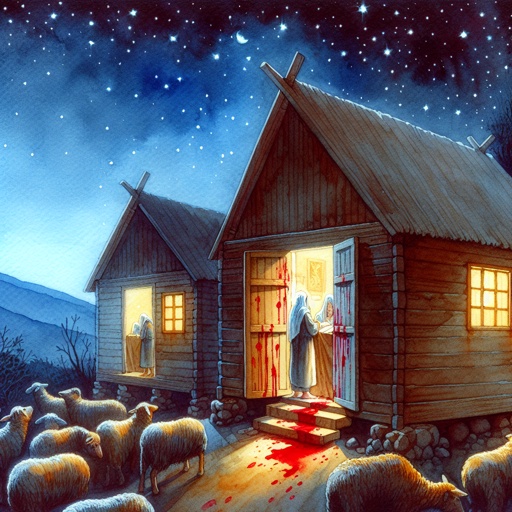
Exodus 12:20 Artwork
Exodus 12:20 - "Ye shall eat nothing leavened; in all your habitations shall ye eat unleavened bread."
"Ye shall eat nothing leavened; in all your habitations shall ye eat unleavened bread." - Exodus 12:20
Exodus 20:12 - "¶ Honour thy father and thy mother: that thy days may be long upon the land which the LORD thy God giveth thee."

Exodus 12:12

Exodus 23:20

Exodus 20:2

Exodus 27:20

Exodus 27:20

Exodus 27:20

Exodus 20:14

Exodus 20:15 - "Thou shalt not steal."

Exodus 20:13 - "Thou shalt not kill."

Exodus 27:19-20

Exodus 19:16-20

Exodus 20:14 - "Thou shalt not commit adultery."

Exodus 3:12

Exodus 3:12

Exodus 3:12

Exodus 3:12

Exodus 3:12

Exodus 12:33

Exodus 20:1 - "And God spake all these words, saying,"

Exodus 20:8 - "Remember the sabbath day, to keep it holy."

Exodus 12:7

Exodus 10:12
Exodus 12:13

Exodus 10:12

Exodus 3:12

Exodus 10:12

Exodus 3:12