What does Exodus 12:1 mean?
"And the LORD spake unto Moses and Aaron in the land of Egypt, saying," - Exodus 12:1
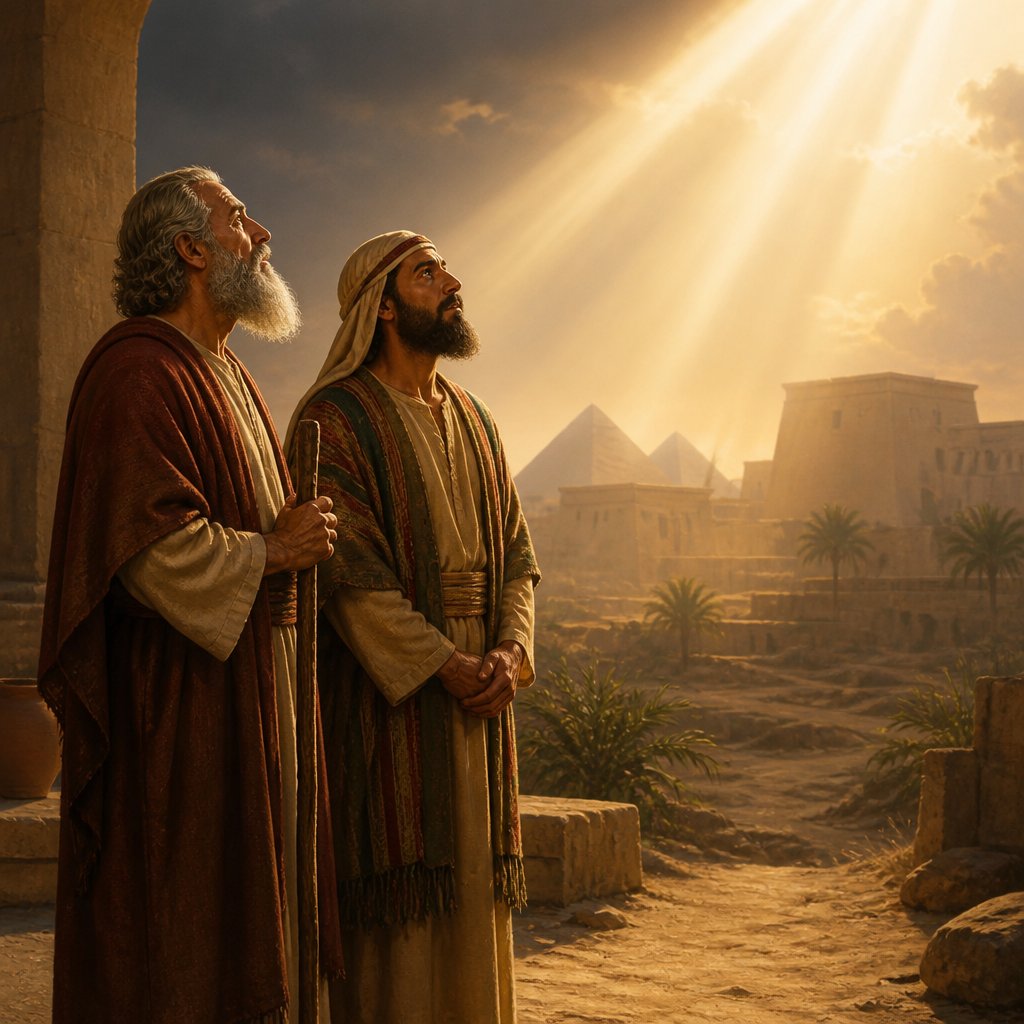
Exodus 12:1 in the King James Version (KJV) states, "And the Lord spake unto Moses and Aaron in the land of Egypt, saying, This month shall be unto you the beginning of months: it shall be the first month of the year to you." This verse marks a significant moment in the narrative of the Israelites' exodus from Egypt, and it carries important themes of renewal, liberation, and the establishment of a new identity.
The context of this verse is crucial for understanding its significance. The Israelites had been living as slaves in Egypt for generations, and the oppressive rule of Pharaoh had made their lives unbearable. God had sent Moses to demand their release, and after a series of plagues and miraculous interventions, Pharaoh finally relented and agreed to let the Israelites leave. This moment marked the beginning of a new chapter in the history of the Israelites, and it was a time of great anticipation and fervent hope.
When God speaks to Moses and Aaron in the land of Egypt, He is initiating a new era for the Israelites. By declaring that the current month will now be "the first month of the year to you," God is symbolically resetting the calendar for His people. This act signals the end of their oppression and the beginning of their freedom. The Israelites are being given a fresh start, and they are able to redefine themselves and their destiny. This moment represents a spiritual and temporal rebirth, and it marks the beginning of a journey towards a new promised land.
The theme of renewal is central to this verse. The Israelites are being granted a second chance, a new opportunity to live as free people in a land of their own. The establishment of a new calendar also signifies the potential for growth, change, and progress. By breaking away from the past and looking towards the future, the Israelites are embodying the idea of renewal. They are given the chance to redefine themselves, to shape their own destiny, and to build a new society based on freedom and faith.
Liberation is another significant theme in this verse. The Israelites had been held captive in Egypt, subjected to hardship and suffering. The moment that God declares the current month as the beginning of a new year is a moment of emancipation. The Israelites are being released from their bondage and are given the opportunity to forge their own path. This act of liberation is not only physical but also spiritual, as the Israelites are now free to worship God and follow His commandments without fear of reprisal.
The symbolism in this verse is rich and multi-layered. The establishment of a new calendar reflects the idea of a fresh start, but it also represents the Israelites' new identity as a free people. By marking this moment as the "beginning of months," God is asserting His authority over time itself, emphasizing the significance of this new beginning. The calendar becomes a symbol of God's power and His role in shaping the destiny of His people.
Overall, Exodus 12:1 is a pivotal moment in the narrative of the Israelites' exodus from Egypt. It marks the beginning of a new era for the Israelites, filled with potential, hope, and renewal. This verse is a powerful reminder of God's ability to liberate and transform His people, and it serves as a source of inspiration for those seeking freedom and spiritual renewal.
Have questions about Exodus 12:1?
Dive deeper into this scripture with Bible Chat — an AI-powered tool for exploring God's Word through conversation. Ask questions, get context, and grow in your understanding of the Bible.
Get Our Apps


Exodus 12:1 Artwork

Exodus 12:1-19

Exodus 12:1 - "And the LORD spake unto Moses and Aaron in the land of Egypt, saying,"
"And the LORD spake unto Moses and Aaron in the land of Egypt, saying," - Exodus 12:1

Exodus 12:33
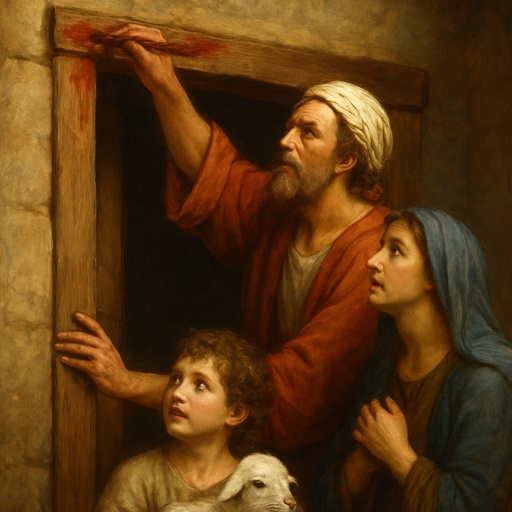
exodus 12:22 painting door lintel with blood

The Plague on the Firstborn - Exodus 11, 12:1-30

The Plague on the Firstborn - Exodus 11, 12:1-30

Exodus 1:12 - "But the more they afflicted them, the more they multiplied and grew. And they were grieved because of the children of Israel."

Exodus 12:12

Exodus 3:12

Exodus 3:12

Exodus 3:12

Exodus 3:12

Exodus 3:12
![Exodus 6:12 KJVAAE
[12] And Moses spake before the Lord, saying, Behold, the children of Israel have not hearkened unto me; how then shall Pharaoh hear me,](https://media.bible.art/ba659b6c-b89d-4b46-974b-8bddd98fe898-thumbnail.jpg)
Exodus 6:12 KJVAAE [12] And Moses spake before the Lord, saying, Behold, the children of Israel have not hearkened unto me; how then shall Pharaoh hear me,

Exodus 10:12

Exodus 12:7
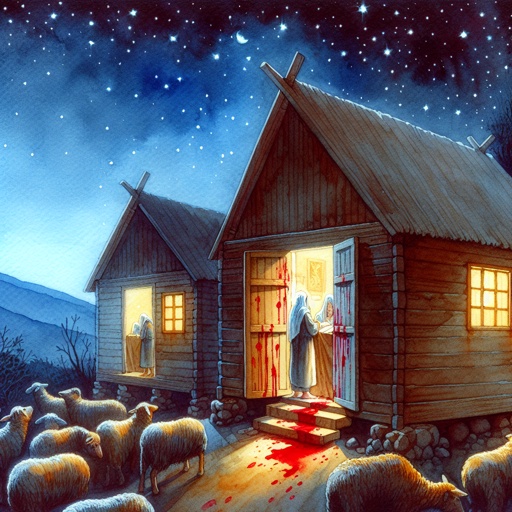
Exodus 12:13

Exodus 10:12

Exodus 10:12

Exodus 3:12

Exodus 3:12

Exodus 12:7
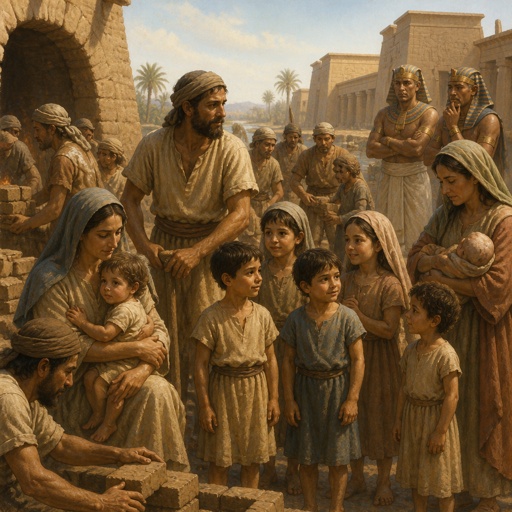
"But the more they afflicted them, the more they multiplied and grew. And they were grieved because of the children of Israel." - Exodus 1:12

Exodus 39:12 - "And the third row, a ligure, an agate, and an amethyst."

Exodus 31:12 - "¶ And the LORD spake unto Moses, saying,"

Exodus 12:47 - "All the congregation of Israel shall keep it."

Exodus 12:45 - "A foreigner and an hired servant shall not eat thereof."

Exodus 35:12 - "The ark, and the staves thereof, with the mercy seat, and the vail of the covering,"

The Plague of Boils - Exodus 9:8-12