What does Exodus 12:14 mean?
"And this day shall be unto you for a memorial; and ye shall keep it a feast to the LORD throughout your generations; ye shall keep it a feast by an ordinance for ever." - Exodus 12:14
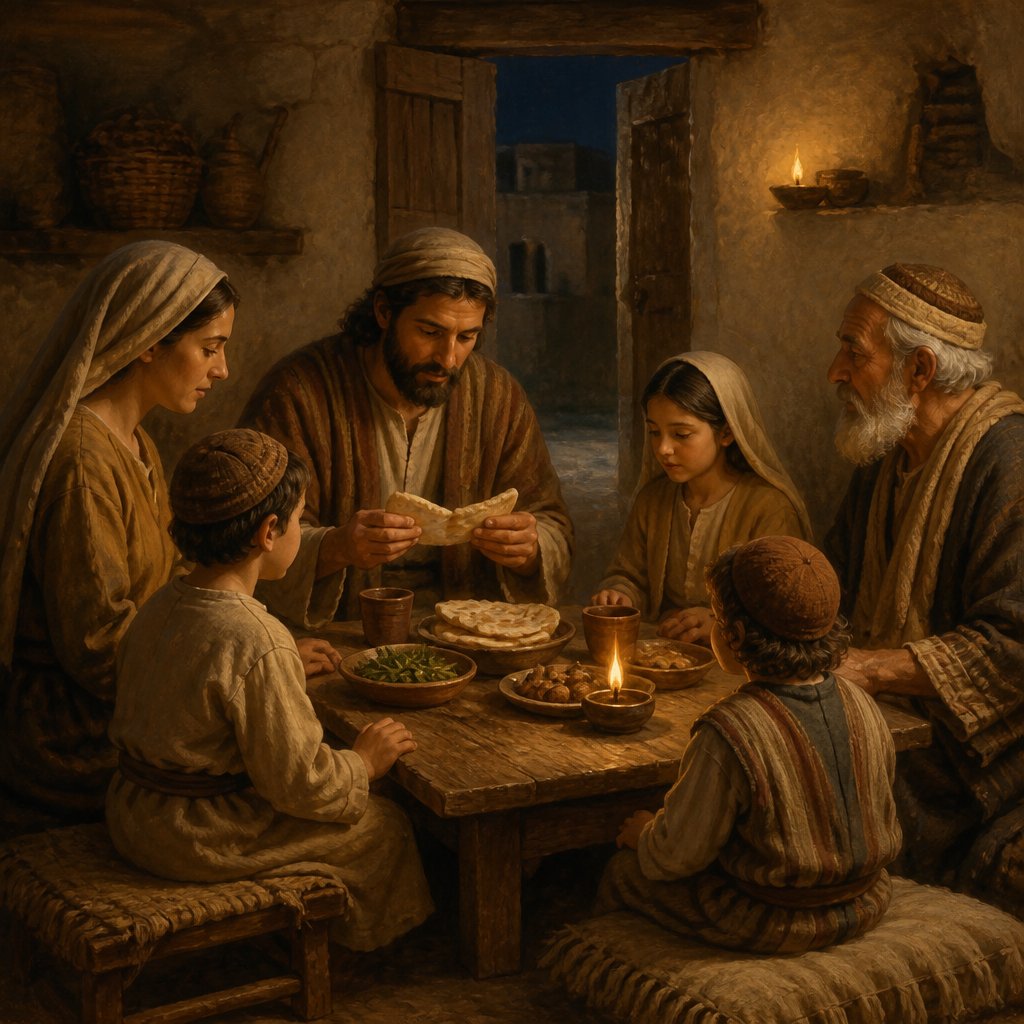
Exodus 12:14 (KJV) states, "And this day shall be unto you for a memorial; and ye shall keep it a feast to the Lord throughout your generations; ye shall keep it a feast by an ordinance for ever."
This verse is situated within the broader context of the Israelites' exodus from Egypt, a pivotal moment in their collective history. The preceding verses describe the institution of the Passover, a sacred and solemn festival that commemorates the deliverance of the Israelites from the bondage of Egypt. The observance of the Passover is a pivotal aspect of Jewish tradition, and it continues to be celebrated to this day.
The verse under consideration emphasizes the significance of the Passover as a memorial. By designating a specific day for this observance, God ensures that the memory of the deliverance from Egypt will be perpetuated throughout the generations. This commemorative act serves as a tangible connection to the past, a means of preserving the collective memory and identity of the Israelites. The annual celebration of the Passover serves as a testament to the faithfulness of God and the enduring covenant between Him and His chosen people.
The verse also underscores the perpetual nature of the Passover feast, emphasizing that it is to be kept "by an ordinance forever." This instruction reinforces the timeless relevance of the Passover and ensures its continuity across generations. The enduring nature of this festival points to its significance within the overall framework of God's redemptive plan for His people. It serves as a perpetual reminder of His faithfulness, His power to deliver, and His establishment of a covenant relationship with the Israelites.
Moreover, the institution of the Passover festival highlights God's providential care for His people. The Passover was instituted as a means of divine protection for the Israelites during the final plague inflicted upon Egypt. The blood of the sacrificial lamb, painted on the doorposts of their homes, served as a sign for the Angel of Death to pass over their households, sparing them from the destructive force that befell the Egyptians. This act of deliverance showcases God's redemptive power and His commitment to safeguarding His people from harm.
The symbolism inherent in the Passover extends beyond its historical significance. The Passover lamb, whose blood served as a means of protection for the Israelites, foreshadows the redemptive work of Jesus Christ. In the New Testament, Jesus is referred to as the "Lamb of God" who takes away the sins of the world (John 1:29). His sacrificial death on the cross serves as the ultimate means of deliverance, providing spiritual protection and salvation for all who believe in Him. As such, the Passover feast not only commemorates a specific historical event but also holds profound spiritual significance for Christians, pointing to the atoning work of Christ and the establishment of a new covenant.
Additionally, the command to perpetuate the observance of the Passover throughout the generations emphasizes the importance of passing down faith traditions and values within the family and community. This practice reinforces the continuity of faith and preserves the collective memory of God's redemptive acts. It also fosters a sense of communal identity and solidarity, as each successive generation participates in the same sacred rituals and upholds the same cherished beliefs.
In conclusion, Exodus 12:14 serves as a foundational verse that underscores the timeless significance of the Passover feast. It functions as a commemorative act, preserving the memory of God's deliverance and faithfulness throughout the generations. The institution of the Passover holds both historical and spiritual significance, pointing to God's providential care, His redemptive work, and the establishment of a lasting covenant. Moreover, it serves as a testimony to the enduring nature of faith traditions and the importance of passing down these sacred practices to future generations.
Have questions about Exodus 12:14?
Dive deeper into this scripture with Bible Chat — an AI-powered tool for exploring God's Word through conversation. Ask questions, get context, and grow in your understanding of the Bible.
Get Our Apps


Exodus 12:14 Artwork
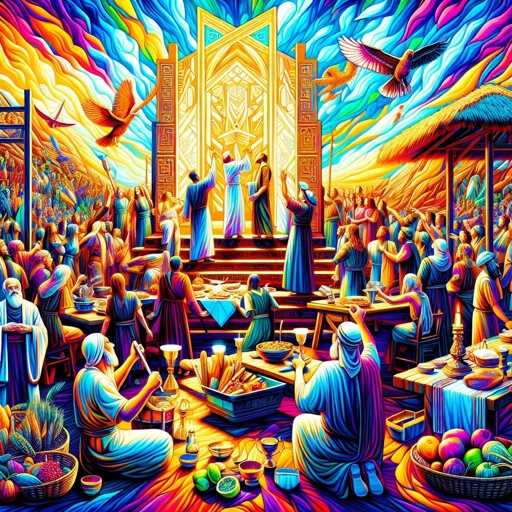
Exodus 12:14 - "And this day shall be unto you for a memorial; and ye shall keep it a feast to the LORD throughout your generations; ye shall keep it a feast by an ordinance for ever."
"And this day shall be unto you for a memorial; and ye shall keep it a feast to the LORD throughout your generations; ye shall keep it a feast by an ordinance for ever." - Exodus 12:14

Exodus 14:12 - "Is not this the word that we did tell thee in Egypt, saying, Let us alone, that we may serve the Egyptians? For it had been better for us to serve the Egyptians, than that we should die in the wilderness."

Exodus 12:12

Exodus 14

Exodus 14:13

Exodus 14:13

Exodus 14: 21

Exodus 14:13

Exodus 14:13

Exodus 14:13

Exodus 14:13

Exodus 14:13
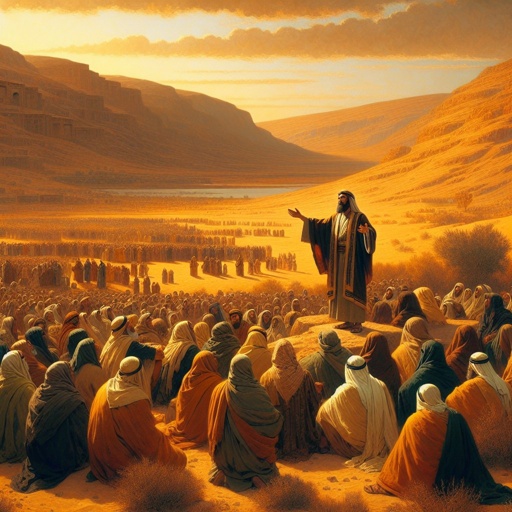
Exodus 14:13

Exodus 14:13

Exodus 14:13
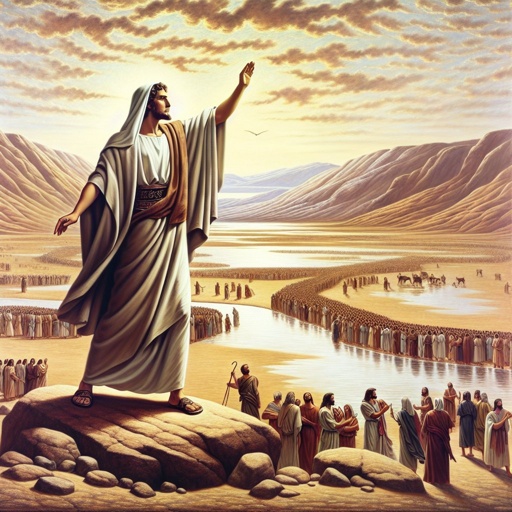
Exodus 14:13
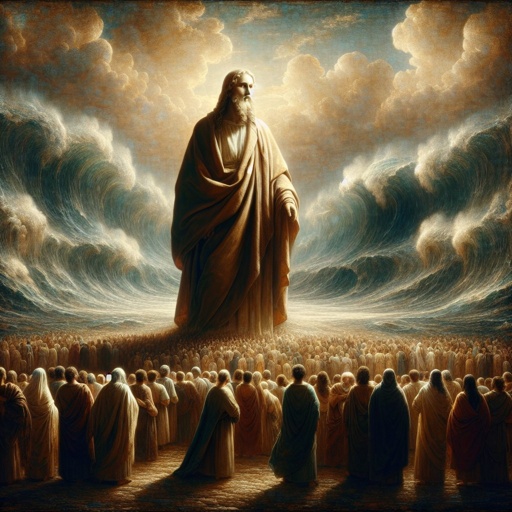
Exodus 14:13
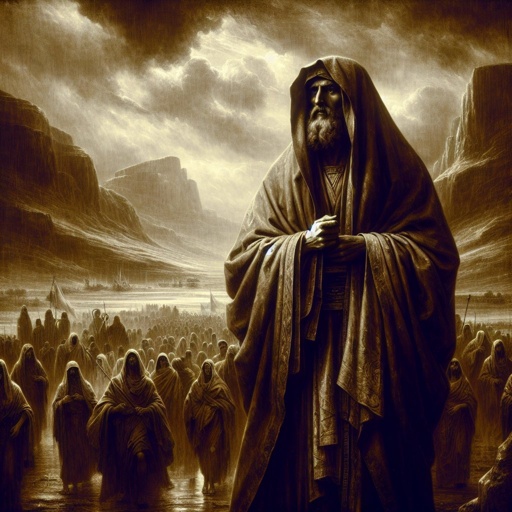
Exodus 14:13
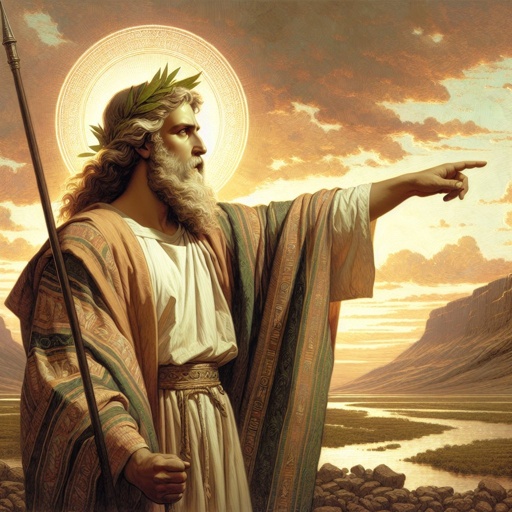
Exodus 14:13

Exodus 3:14

Exodus 3:14

Exodus 14:13

Exodus 14:13

Exodus 3:14

Exodus 14:13

exodus 3:14

Exodus 14:13

Exodus 14:13

Exodus 20:14