What does Exodus 12:43 mean?
“And the LORD said unto Moses and Aaron, This is the ordinance of the passover: There shall no stranger eat thereof:” — Exodus 12:43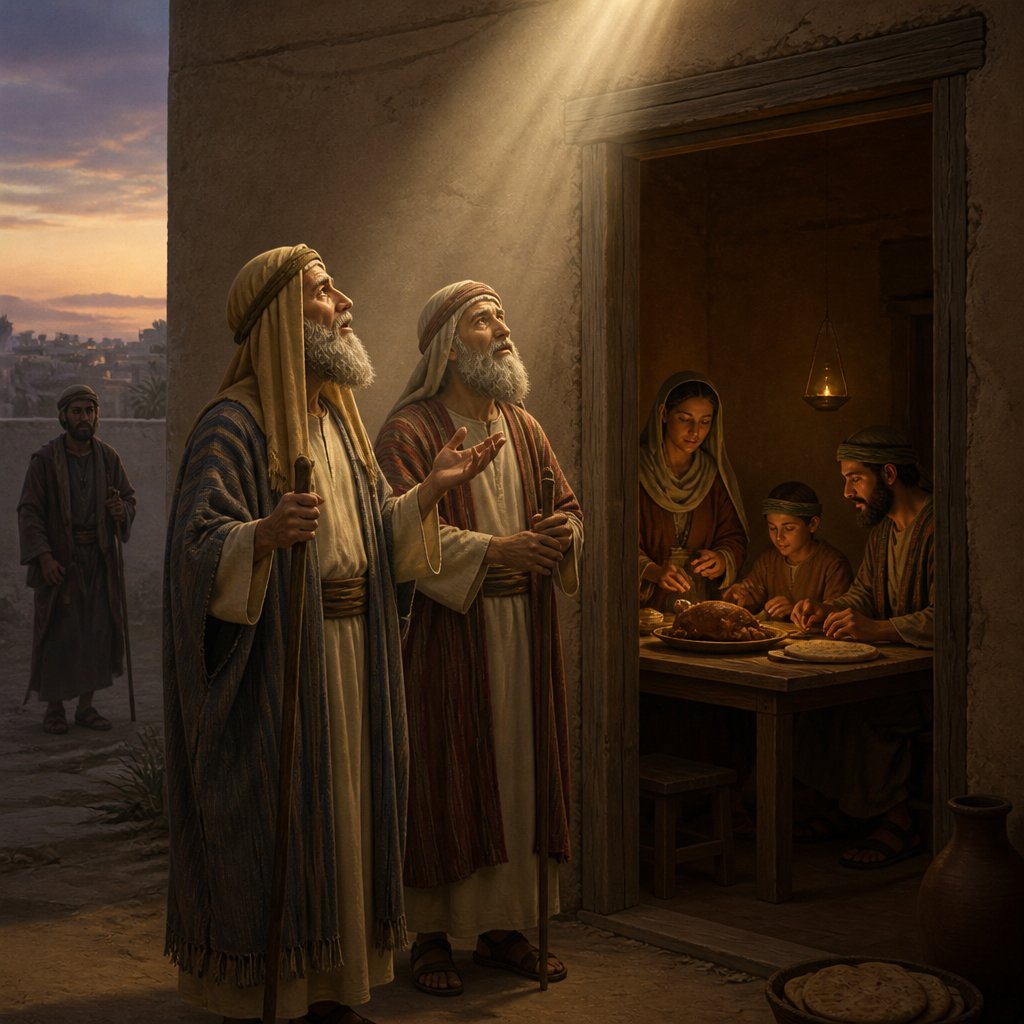
Exodus 12:43 from the King James Version of the Bible states: "And the Lord said unto Moses and Aaron, This is the ordinance of the passover: There shall no stranger eat thereof." This verse is part of the account of the institution of the Passover, a significant event in the history of the Israelites and a key component of their identity as a chosen people.
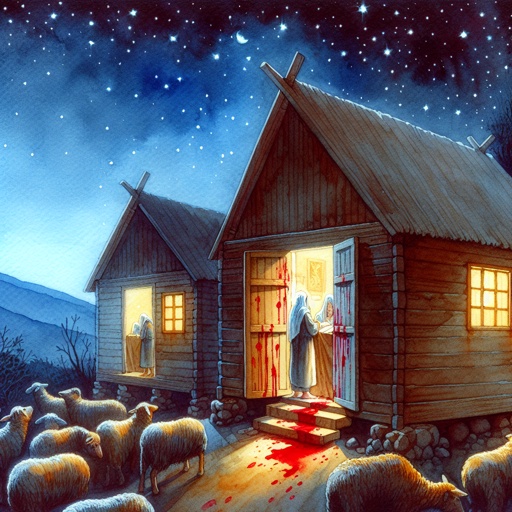
To fully understand the meaning and significance of this verse, it is necessary to examine it within its broader context. The book of Exodus recounts the story of the Israelites' deliverance from slavery in Egypt, as well as the establishment of their covenant with God. The Passover was a pivotal moment in this narrative, as it commemorated the night when God passed over the houses of the Israelites, sparing their firstborn sons from death while the firstborn of the Egyptians were killed.
In verse 43, God gives specific instructions to Moses and Aaron regarding the observance of the Passover. He emphasizes that no stranger (non-Israelite) is to partake of the Passover meal. This command underscores the exclusive nature of the covenant relationship between God and the Israelites. It serves as a reminder that the Passover is a sacred and distinctively Israelite institution, symbolizing their unique status as God's chosen people.
The theme of identity and separation is central to this verse. The prohibition against strangers participating in the Passover underscores the Israelites' distinctiveness and separation from other nations. It reinforces the idea that they have been set apart by God for a special purpose and are not to be assimilated into the cultures and practices of other peoples. This concept of separation is a recurring theme throughout the Old Testament, as the Israelites are called to maintain their distinct identity and adhere to the laws and commands of God.
Symbolically, the Passover also prefigures the coming of Jesus Christ as the ultimate Passover Lamb. In the New Testament, Jesus is referred to as the "Lamb of God" who takes away the sin of the world (John 1:29). His sacrificial death, which occurred at the time of the Passover festival, fulfills and surpasses the symbolism of the Passover lamb. Through his atoning sacrifice, Jesus establishes a new covenant that is open to all who believe in him, transcending the exclusive boundaries of ethnicity or nationality. This transformation from an exclusive to an inclusive covenant is a central theme in the New Testament, as the message of salvation is extended to all people, both Jews and Gentiles.
The context of Exodus 12:43 is also significant in understanding its meaning. At this point in the narrative, the Israelites are on the brink of their deliverance from Egypt, and the Passover is about to become a lasting ordinance for future generations. God's instructions to Moses and Aaron serve to reinforce the significance of this event and to establish the proper observance of the Passover as a foundational aspect of Israelite identity.
In conclusion, Exodus 12:43 from the King James Version of the Bible holds deep significance within the broader context of the Old Testament narrative. It conveys the themes of identity, separation, and covenant, as well as pointing forward to the redemptive work of Jesus Christ. As a foundational element of the Israelite faith, the Passover serves as a reminder of God's faithfulness and a symbol of his provision for his chosen people.
Get our apps


Artwork for Exodus 12:43

Exodus 12:43 - "¶ And the LORD said unto Moses and Aaron, This is the ordinance of the passover: There shall no stranger eat thereof:"
"¶ And the LORD said unto Moses and Aaron, This is the ordinance of the passover: There shall no stranger eat thereof:" - Exodus 12:43

Exodus 28:31-43

Exodus 28:31-43

Exodus 28:30-43

Exodus 29:43 - "And there I will meet with the children of Israel, and the tabernacle shall be sanctified by my glory."

John 12:43 - "For they loved the praise of men more than the praise of God."

Luke 12:43 - "Blessed is that servant, whom his lord when he cometh shall find so doing."

Exodus 12:12

Exodus 39:43 - "And Moses did look upon all the work, and, behold, they had done it as the LORD had commanded, even so had they done it: and Moses blessed them."
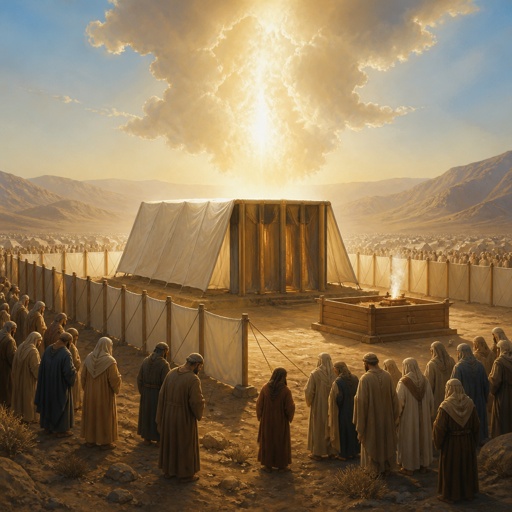
"And there I will meet with the children of Israel, and the tabernacle shall be sanctified by my glory." - Exodus 29:43
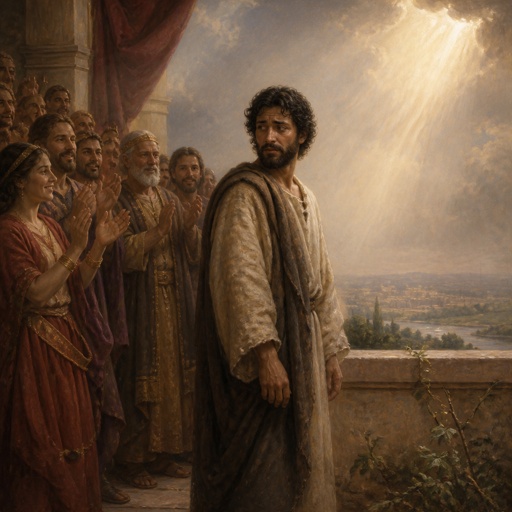
"For they loved the praise of men more than the praise of God." - John 12:43

Matthew 12:43 - "When the unclean spirit is gone out of a man, he walketh through dry places, seeking rest, and findeth none."

Genesis 43:12 - "And take double money in your hand; and the money that was brought again in the mouth of your sacks, carry it again in your hand; peradventure it was an oversight:"

Ezekiel 43:12 - "This is the law of the house; Upon the top of the mountain the whole limit thereof round about shall be most holy. Behold, this is the law of the house."

Exodus 3:12

Exodus 3:12

Exodus 3:12

Exodus 3:12

Exodus 3:12

Exodus 12:33

Exodus 10:12

Exodus 12:7
Exodus 12:13

Exodus 10:12

Exodus 10:12

Exodus 3:12

Exodus 3:12

Exodus 12:7

Exodus 12:1-19