What does Exodus 12:9 mean?
"Eat not of it raw, nor sodden at all with water, but roast with fire; his head with his legs, and with the purtenance thereof." - Exodus 12:9

Exodus 12:9 in the King James Version of the Bible states, "Eat not of it raw, nor sodden at all with water, but roast with fire; his head with his legs, and with the purtenance thereof." This verse is a part of the instructions given by God to the Israelites regarding the Passover meal, which commemorated their liberation from slavery in Egypt.
The context of this verse is the final plague that God inflicted upon the Egyptians, which was the death of the firstborn. In order to protect the Israelites from this judgment, God instructed them to sacrifice a lamb and mark their doorposts with its blood. They were also to eat the lamb along with unleavened bread and bitter herbs. The Passover meal was to be eaten in haste, with loins girded, sandals on their feet, and staff in hand, as a symbol of their readiness for the coming exodus from Egypt.
The specific instructions in Exodus 12:9 regarding the preparation of the lamb focus on the manner in which it should be cooked. The lamb was not to be eaten raw or boiled in water, but rather it was to be roasted whole over fire. This method of preparation would have required time and care, emphasizing the importance of the meal and its ritual significance. By roasting the entire lamb, including its head, legs, and internal organs, the Israelites were to consume it in its entirety, leaving nothing wasted.
Symbolically, the act of roasting the lamb with fire holds several layers of meaning. Fire is often associated with purification and sacrifice in the Bible, and its use in cooking the Passover lamb may serve as a symbol of the Israelites' purification and consecration as God's chosen people. The thoroughness of the roasting process, with the inclusion of the head, legs, and purtenance (entrails), signifies the completeness and wholeness of the sacrifice. It also serves as a reminder of the severity of the judgment that befell the Egyptians, and the Israelites' deliverance from it.
In a broader theological context, the Passover meal and the instructions for its preparation in Exodus 12:9 foreshadow the ultimate sacrifice of Jesus Christ, who is referred to as the "Lamb of God" in the New Testament. Just as the Israelites were delivered from slavery through the sacrificial lamb's blood, so too are Christians delivered from sin and death through the blood of Christ, whose sacrificial death on the cross is the fulfillment of the Passover lamb's symbolism.
Furthermore, the emphasis on the specific manner of preparing the Passover meal underscores the importance of obedience to God's commands. The Israelites were required to follow the instructions precisely in order to receive the protection and deliverance promised by God. This theme of obedient faith and trust in God's provision is central to the narrative of the Exodus and continues to be a recurring motif throughout the Bible.
In conclusion, Exodus 12:9 in the King James Version of the Bible conveys the detailed instructions for the preparation of the Passover meal, which holds rich symbolism and theological significance. The roasting of the lamb with fire serves as a powerful symbol of purification, sacrifice, and the completeness of God's deliverance. This verse also points forward to the ultimate sacrifice of Jesus Christ and highlights the importance of obedient faith in God's redemptive plan.
Have questions about Exodus 12:9?
Dive deeper into this scripture with Bible Chat — an AI-powered tool for exploring God's Word through conversation. Ask questions, get context, and grow in your understanding of the Bible.
Get Our Apps


Exodus 12:9 Artwork

"Eat not of it raw, nor sodden at all with water, but roast with fire; his head with his legs, and with the purtenance thereof." - Exodus 12:9

The Plague of Boils - Exodus 9:8-12

The Plague of Boils - Exodus 9:8-12

The Plague of Boils - Exodus 9:8-12

The Plague of Boils - Exodus 9:8-12

The Plague of Boils - Exodus 9:8-12.

The Plague of Boils - Exodus 9:8-12

The Plague of Boils - Exodus 9:8-12

The Plague of Boils - Exodus 9:8-12
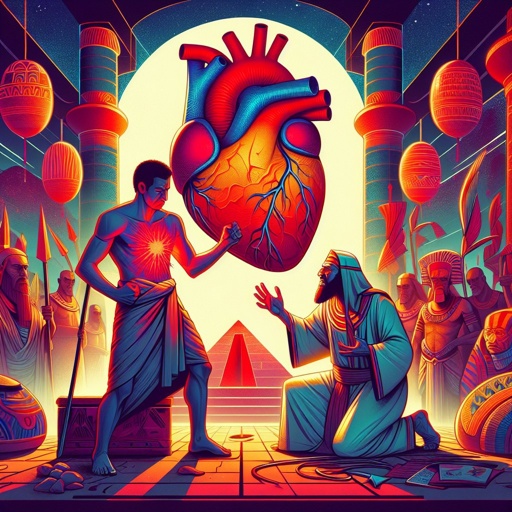
Exodus 9:12 - "And the LORD hardened the heart of Pharaoh, and he hearkened not unto them; as the LORD had spoken unto Moses."

Exodus 12:12
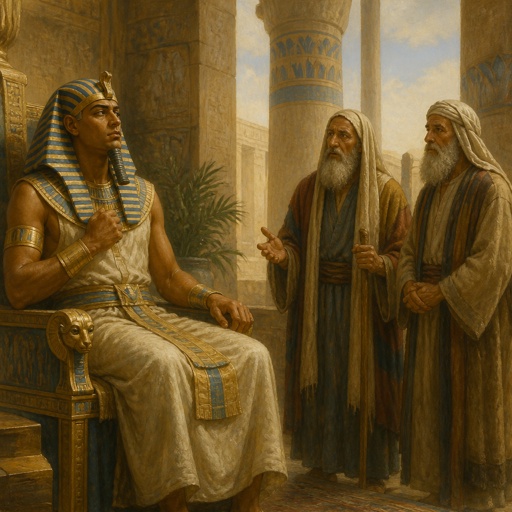
"And the LORD hardened the heart of Pharaoh, and he hearkened not unto them; as the LORD had spoken unto Moses." - Exodus 9:12

Exodus 3:12

Exodus 3:12

Exodus 3:12

Exodus 3:12

Exodus 3:12

Exodus 12:33

Exodus 10:12

Exodus 12:7

Exodus 12:13

Exodus 10:12

Exodus 10:12

Exodus 3:12

Exodus 3:12

Exodus 12:7

Exodus 40:9
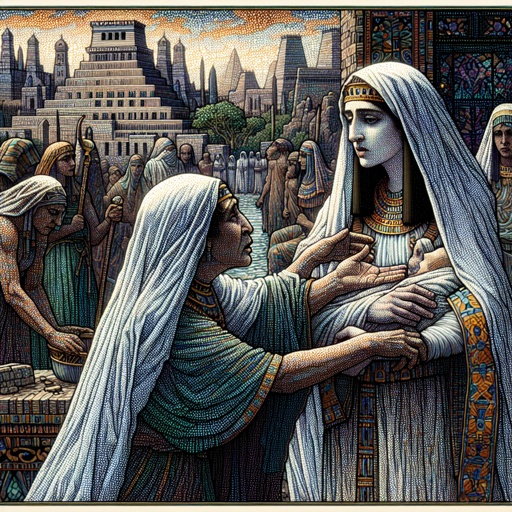
Exodus 2:9

Exodus 2:9

Exodus 12:1-19