What does Exodus 14:2 mean?
“Speak unto the children of Israel, that they turn and encamp before Pi-hahiroth, between Migdol and the sea, over against Baal-zephon: before it shall ye encamp by the sea.” — Exodus 14:2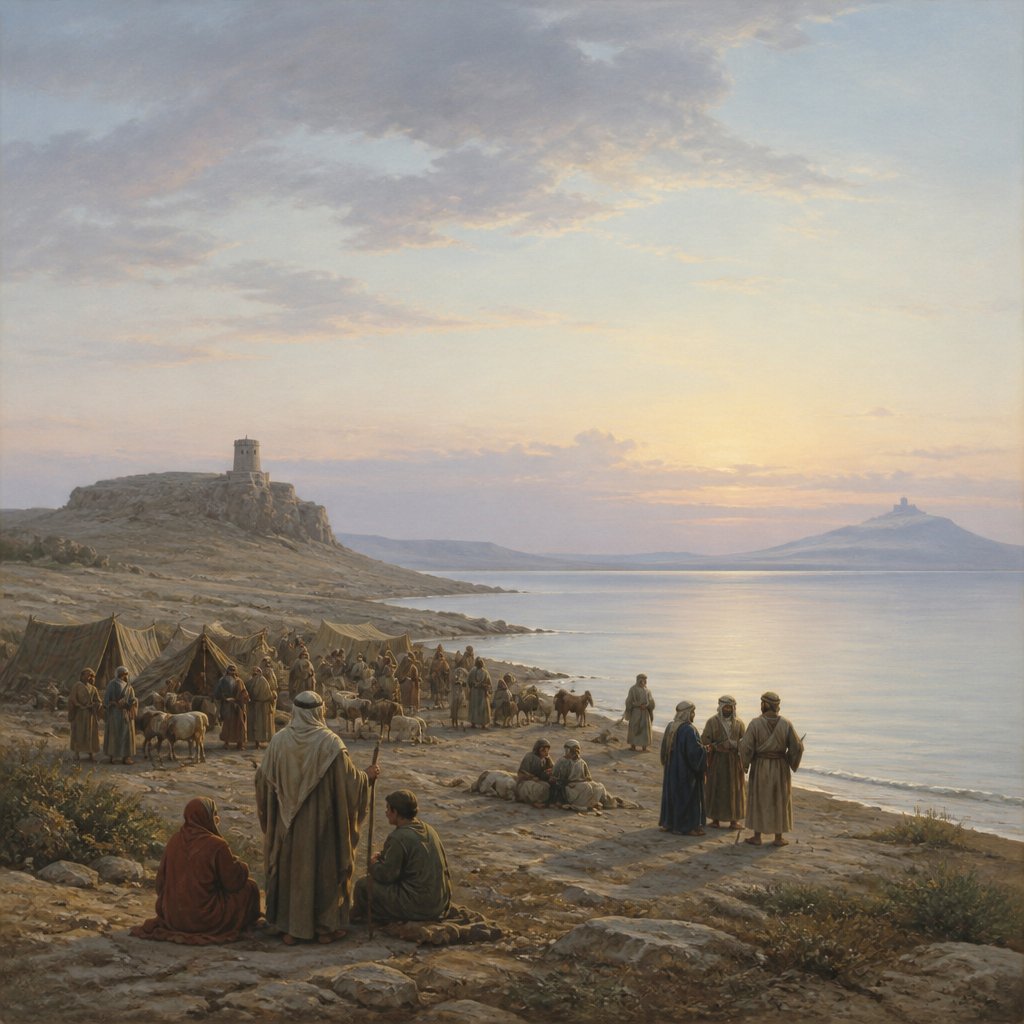
Exodus 14:2 (KJV) states, "Speak unto the children of Israel, that they turn and encamp before Pihahiroth, between Migdol and the sea, over against Baalzephon: before it shall ye encamp by the sea." This verse is from the book of Exodus, which describes the liberation of the Israelites from slavery in Egypt and their journey to the promised land of Canaan. This particular verse comes at a crucial moment in the narrative, as the Israelites are about to face the daunting task of crossing the Red Sea, with the Egyptian army in hot pursuit.
In this verse, Moses is commanded by God to instruct the Israelites to encamp before Pihahiroth, between Migdol and the sea, over against Baalzephon. The geographical details provided here are significant, as they provide a vivid picture of the setting in which this miraculous event takes place. Pihahiroth and Baalzephon are believed to be locations near the Red Sea, which suggests that the Israelites were hemmed in by natural barriers on all sides, with nowhere to escape. This adds to the sense of urgency and desperation that the Israelites must have felt at that moment.
The symbolism in this verse is deeply profound and speaks to the larger themes of faith, trust, and obedience. The Israelites, facing an impossible situation, are being instructed to take a seemingly irrational action - to camp at the edge of the sea, with no apparent means of escape. This reflects the ways in which God often calls His people to step out in faith, even when the circumstances seem hopeless. It is a reminder that God's ways are not our ways, and His wisdom often transcends our understanding.
The themes of redemption and deliverance are also prominent in this verse. The Israelites had been enslaved in Egypt for generations, and now, on the brink of freedom, they find themselves trapped between Pharaoh's army and the sea. This situation serves as a powerful metaphor for the struggles and obstacles that we face in our own lives. It illustrates the reality that sometimes our greatest challenges come just when we believe we are on the brink of victory. However, it also serves as a reminder that God is always present and able to provide a way out when all seems lost.
The historical context of this verse is also important to consider. The Israelites had witnessed numerous miracles and signs of God's power leading up to this moment, including the plagues in Egypt and the parting of the Red Sea. Yet, in the face of the advancing Egyptian army, their faith wavered, and they were filled with fear and doubt. This reflects the human tendency to forget God's faithfulness and provision in the midst of trials and tribulations, and the importance of constantly reminding ourselves of His past faithfulness.
Overall, Exodus 14:2 encapsulates the overarching themes of the book of Exodus - faith, redemption, and the miraculous power of God. It serves as a powerful reminder that even in the most dire circumstances, God is able to make a way where there seems to be no way. It challenges us to trust in His sovereignty and to obey His word, even when it defies human logic and understanding. This verse continues to inspire and uplift believers today, as a testament to the unwavering faithfulness of God in the face of adversity.
Get our apps


Artwork for Exodus 14:2

Exodus 14:2 - "Speak unto the children of Israel, that they turn and encamp before Pi-hahiroth, between Migdol and the sea, over against Baal-zephon: before it shall ye encamp by the sea."
"Speak unto the children of Israel, that they turn and encamp before Pi-hahiroth, between Migdol and the sea, over against Baal-zephon: before it shall ye encamp by the sea." - Exodus 14:2

Exodus 14

Exodus 2:14 - "And he said, Who made thee a prince and a judge over us? intendest thou to kill me, as thou killedst the Egyptian? And Moses feared, and said, Surely this thing is known."

Exodus 14:13

Exodus 14:13

Exodus 14: 21

Exodus 14:13

Exodus 14:13

Exodus 14:13

Exodus 14:13

Exodus 14:13
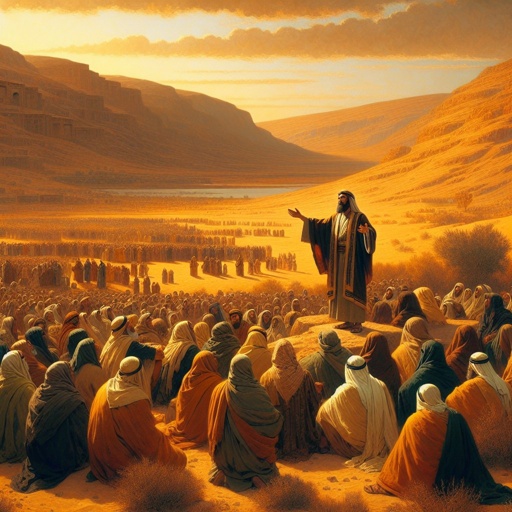
Exodus 14:13

Exodus 14:13

Exodus 14:13
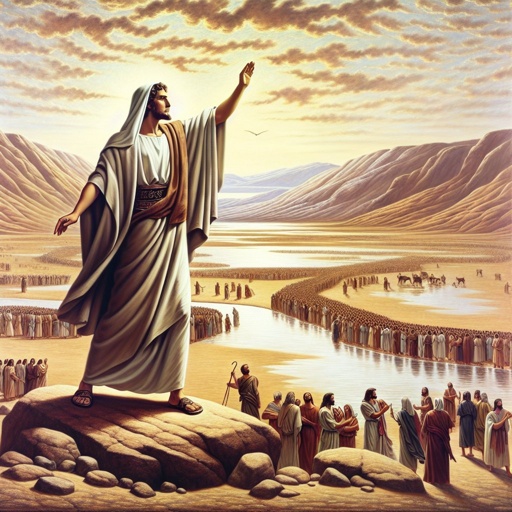
Exodus 14:13
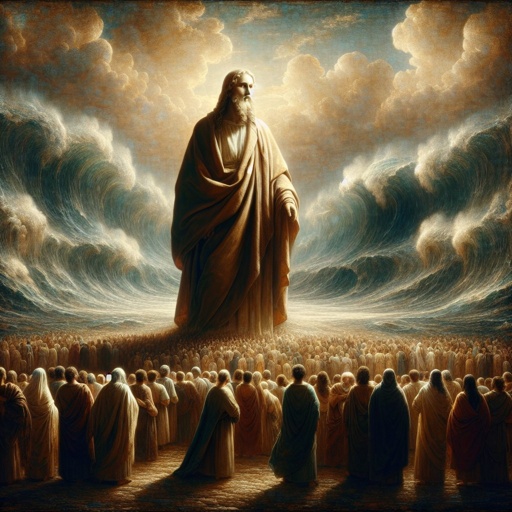
Exodus 14:13
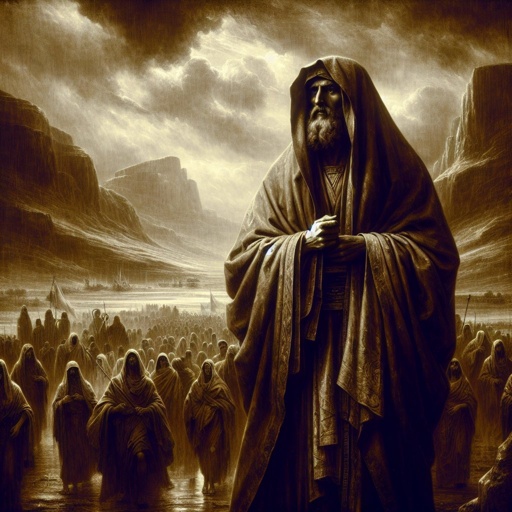
Exodus 14:13
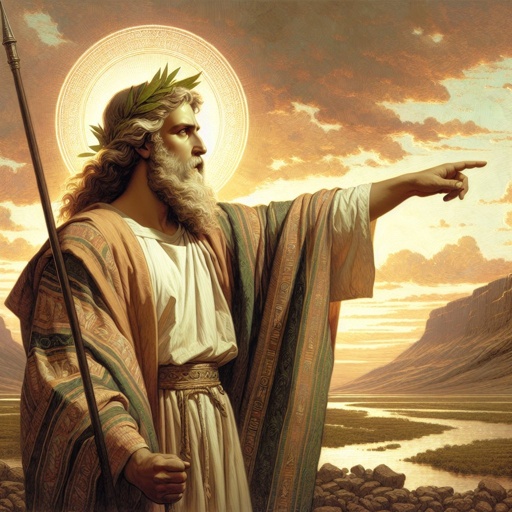
Exodus 14:13

Exodus 3:14

Exodus 3:14

Exodus 14:13

Exodus 14:13

Exodus 3:14

Exodus 14:13

exodus 3:14

Exodus 14:13

Exodus 14:13

Exodus 20:14

Exodus 14: 21