What does Exodus 15:17 mean?
“Thou shalt bring them in, and plant them in the mountain of thine inheritance, in the place, O LORD, which thou hast made for thee to dwell in, in the Sanctuary, O Lord, which thy hands have established.” — Exodus 15:17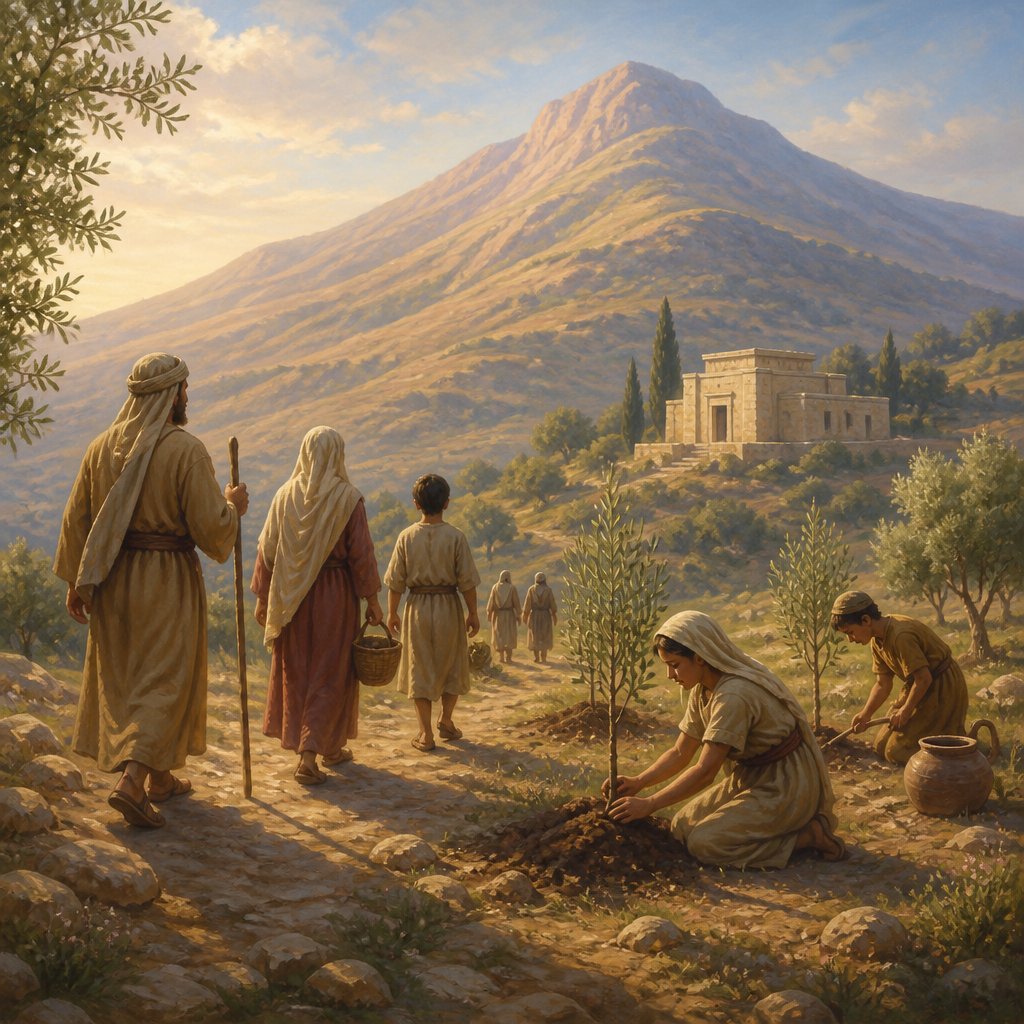
Exodus 15:17 (KJV) states, "Thou shalt bring them in, and plant them in the mountain of thine inheritance, in the place, O Lord, which thou hast made for thee to dwell in, in the Sanctuary, O Lord, which thy hands have established."
This verse is part of the Song of Moses, a triumphant song of praise and thanksgiving sung by the Israelites after crossing the Red Sea. It is a reflection of the joy and gratitude felt by the Israelites as they witness the mighty hand of God delivering them from the pursuit of the Egyptian army and leading them to freedom. The themes and symbolism in this verse are rich in meaning and have significant spiritual implications for believers.
One of the key themes in this verse is the concept of inheritance. The Israelites were promised an inheritance in the land of Canaan, which was a land flowing with milk and honey. This promise was made to Abraham, Isaac, and Jacob, and it was ultimately fulfilled when the Israelites, under the leadership of Moses, entered the Promised Land. This inheritance represents not only physical land but also spiritual blessings and prosperity. It symbolizes the fulfillment of God's promises and the reward for obedience and faithfulness.
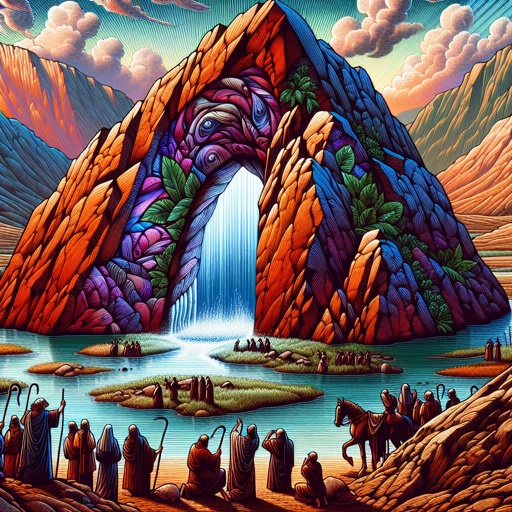
The imagery of "planting them in the mountain of thine inheritance" signifies stability, security, and permanence. Mountains are often seen as symbols of strength and steadfastness, and in this context, they represent the unshakable nature of God's promises. The act of planting implies intentional care and cultivation, highlighting God's role as the Divine Gardener who nurtures and sustains His people. This image conveys a sense of rootedness and rootedness in the faithfulness of God, who provides a firm foundation for His people to grow and thrive.
The mention of the sanctuary and the establishment of God's hands further reinforces the idea of divine presence and protection. The sanctuary is a holy place of worship and communion with God, and it is a physical representation of God's dwelling among His people. The fact that it is established by God's hands emphasizes His sovereignty and authority in creating a sacred space for His people to encounter Him. This imagery reflects the intimate relationship between God and His chosen people and conveys the idea of divine intimacy and accessibility.
Moreover, it is essential to consider the broader context of the verse within the narrative of the Exodus. The Israelites' journey from slavery in Egypt to the Promised Land is a powerful representation of God's deliverance, guidance, and provision. It serves as a profound illustration of God's faithfulness and steadfast love towards His people, despite their rebellion and unfaithfulness. The Song of Moses, including this verse, serves as a reminder of God's miraculous intervention in the history of Israel and His ongoing work of redemption and restoration.
In conclusion, Exodus 15:17 (KJV) encapsulates the theological significance of the Israelites' deliverance and points to the broader themes of inheritance, security, divine presence, and the faithfulness of God. It serves as a source of encouragement and hope for believers, reminding them of the unchanging and unyielding nature of God's promises and the assurance of His presence in their lives. As we reflect on this verse, may we be encouraged to trust in the sovereignty and faithfulness of God, knowing that He will bring us into our inheritance and establish us securely in His sanctuary.
Get our apps


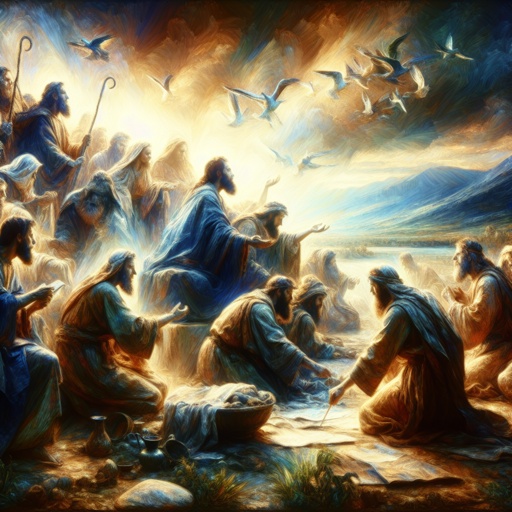
Artwork for Exodus 15:17

Exodus 15:17 - "Thou shalt bring them in, and plant them in the mountain of thine inheritance, in the place, O LORD, which thou hast made for thee to dwell in, in the Sanctuary, O Lord, which thy hands have established."
"Thou shalt bring them in, and plant them in the mountain of thine inheritance, in the place, O LORD, which thou hast made for thee to dwell in, in the Sanctuary, O Lord, which thy hands have established." - Exodus 15:17

Exodus 17:15 - "And Moses built an altar, and called the name of it Jehovah-nissi:"
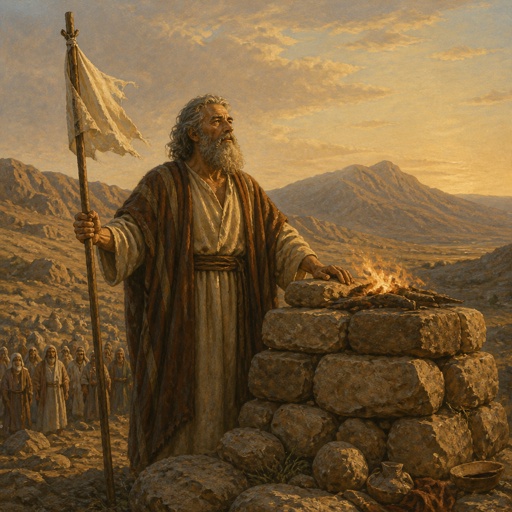
"And Moses built an altar, and called the name of it Jehovah-nissi:" - Exodus 17:15

exodus 15
Exodus 17:10

Exodus 17:11

Exodus 17:6

Exodus 17:3

Exodus 17:3
Exodus 17:6

Exodus 17:6

Exodus 24:17

Exodus 17:6

Exodus 15:22

Exodus 15:23

Exodus 15:5
Exodus 15:23

Exodus 15:21

Exodus 20:15 - "Thou shalt not steal."

Exodus 30:17 - "¶ And the LORD spake unto Moses, saying,"

Exodus 17:8 - "¶ Then came Amalek, and fought with Israel in Rephidim."

Exodus 28:15-30

Exodus 8:1-15

Exodus 13:17-14:29

Genesis 17-15

Provers 15:17

Acts 17:15

Exodus 6:17 - "The sons of Gershon; Libni, and Shimi, according to their families."

Exodus 34:17 - "Thou shalt make thee no molten gods."