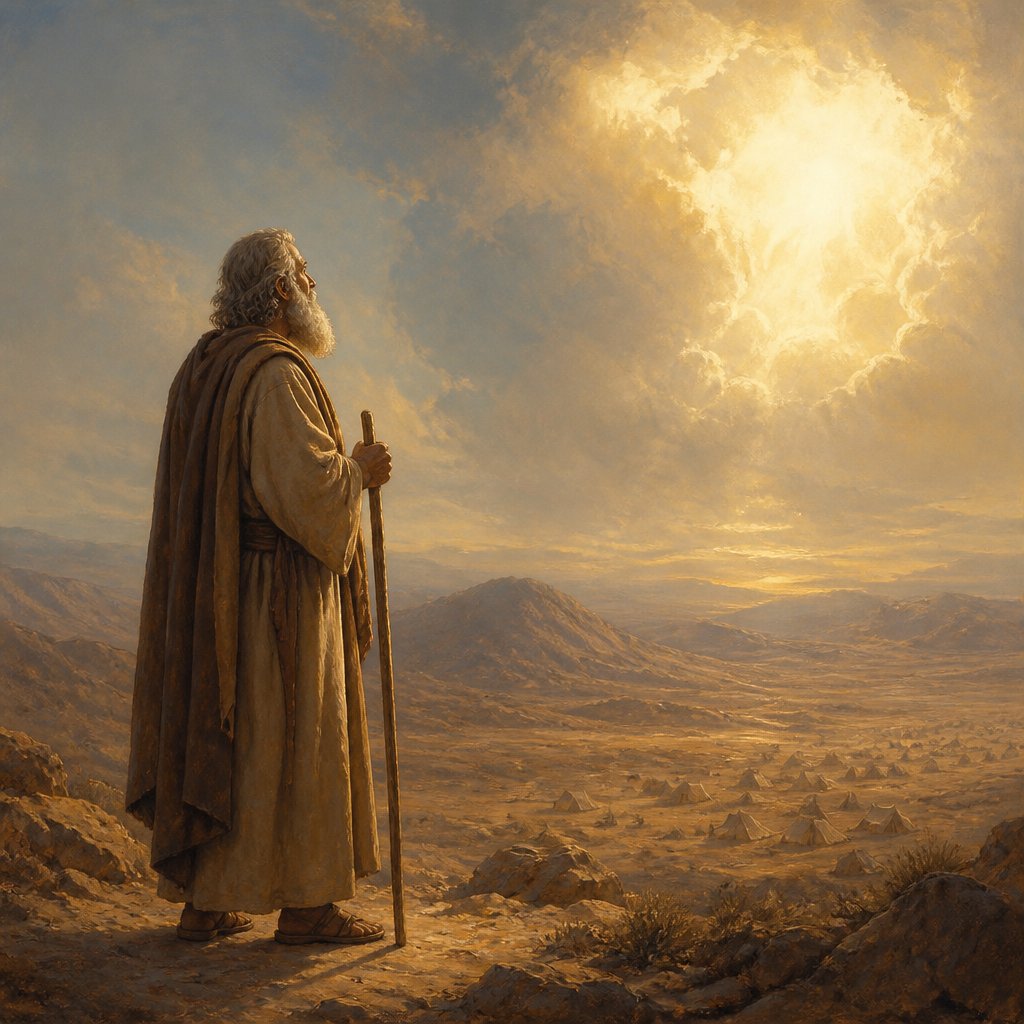
Exodus 16:11 (KJV) reads, "And the Lord spake unto Moses, saying, I have heard the murmurings of the children of Israel: speak unto them, saying, At even ye shall eat flesh, and in the morning ye shall be filled with bread; and ye shall know that I am the Lord your God."
This verse is part of the narrative of the Israelites' journey in the wilderness after their exodus from Egypt. It reveals a pivotal moment in their relationship with God and serves as a testament to God's provision for His people.
The first part of the verse begins with the Lord speaking to Moses, indicating the divine origin of the message that follows. The verse then addresses the issue of the Israelites' "murmurings," which refers to their complaints and grumblings about the lack of food in the wilderness. This highlights the people's lack of faith and trust in God's ability to provide for them, despite the miraculous deliverance from slavery in Egypt.
In response to their complaints, God instructs Moses to communicate a promise to the Israelites. He tells them that in the evening, they will eat meat and in the morning, they will be filled with bread. This promise is significant as it shows God's intention to meet the needs of His people and demonstrates His power to provide sustenance in the most desolate of places.
The verse concludes with the declaration, "and ye shall know that I am the Lord your God." This statement reaffirms God's sovereign authority and serves as a reminder to the Israelites of His identity as their divine protector and provider.
One of the central themes in this verse is the concept of divine provision. The provision of meat in the evening and bread in the morning demonstrates God's commitment to meeting the physical needs of His people. It also illustrates the principle of divine timing, as the Israelites would receive their sustenance at the appointed times set by God.
Another theme present in this verse is the importance of faith and obedience. The Israelites' murmuring and complaining reflects a lack of trust in God's ability to provide for them. However, God's response to their doubts and fears reminds them of His faithfulness and encourages them to obey His commands in order to receive His promised blessings.
The context of this verse is essential for understanding its significance within the larger narrative of the Israelites' journey in the wilderness. After their escape from slavery in Egypt, the Israelites faced various challenges and hardships in the desert. Their initial joy and gratitude for their deliverance quickly turned into complaining and doubt as they struggled to find food and water. In response to their grumblings, God provided the Israelites with manna from heaven and quail as a daily provision, demonstrating His grace and mercy despite their unbelief.
Symbolically, the promise of meat and bread in this verse represents God's spiritual nourishment for His people. Just as the Israelites relied on God's provision for their physical sustenance, believers today can trust in God's faithfulness to provide for their spiritual needs. The mention of "flesh" and "bread" also alludes to the Eucharistic symbolism of Christ as the ultimate provider of spiritual sustenance, as He declared Himself to be the "bread of life" in the New Testament (John 6:35).
In conclusion, Exodus 16:11 (KJV) serves as a powerful reminder of God's provision, faithfulness, and sovereignty. It conveys a message of hope and assurance, reassuring believers of God's ability to meet their every need. The verse also challenges believers to trust in God's timing and obey His commands, knowing that He is the Lord their God who provides and sustains them.
Get our apps


Artwork for Exodus 16:11

Exodus 16:11 - "¶ And the LORD spake unto Moses, saying,"
"¶ And the LORD spake unto Moses, saying," - Exodus 16:11
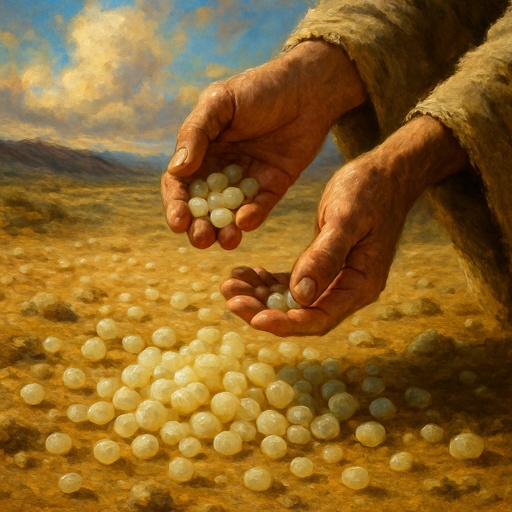
In Exodus 16, create the image of manna

Zechariah 1:1-6

Exodus 24:16

Exodus 25:16

Exodus 25:16

Exodus 25:16

exodus 18:11

Exodus 17:11
exodus 3:11

Exodus 19:16-20

Exodus 16:30 - "So the people rested on the seventh day."

The Plague on the Firstborn - Exodus 11
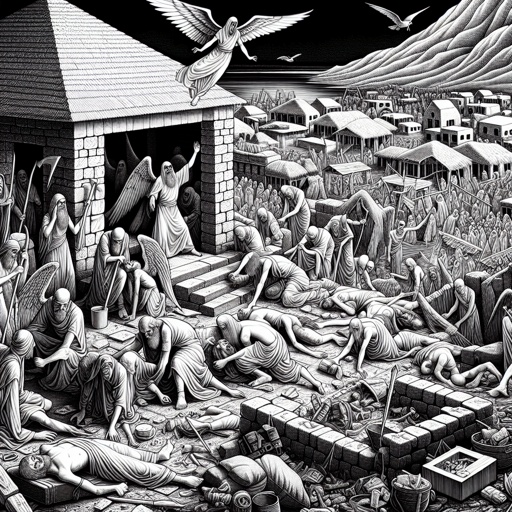
The Plague on the Firstborn - Exodus 11

Exodus 16:36 - "Now an omer is the tenth part of an ephah."

The Plague on the Firstborn - Exodus 11
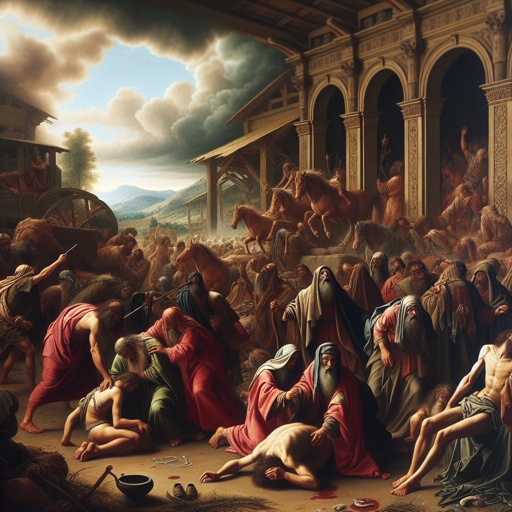
The Plague on the Firstborn - Exodus 11

Exodus 24:9-11

The Plague on the Firstborn - Exodus 11

The Plague on the Firstborn - Exodus 11

Exodus 16:19 - "And Moses said, Let no man leave of it till the morning."

Exodus 30:11 - "¶ And the LORD spake unto Moses, saying,"

Exodus 39:11 - "And the second row, an emerald, a sapphire, and a diamond."

Apocalipsis 11, 19; 12, 1-6. 10

The Plague on the Firstborn Son - Exodus 11

Hebrews 11:16

Genesis 16:11

The Plague of Gnats - Exodus 8:16-19

Psalm 16:11