What does Exodus 16:24 mean?
“And they laid it up till the morning, as Moses bade: and it did not stink, neither was there any worm therein.” — Exodus 16:24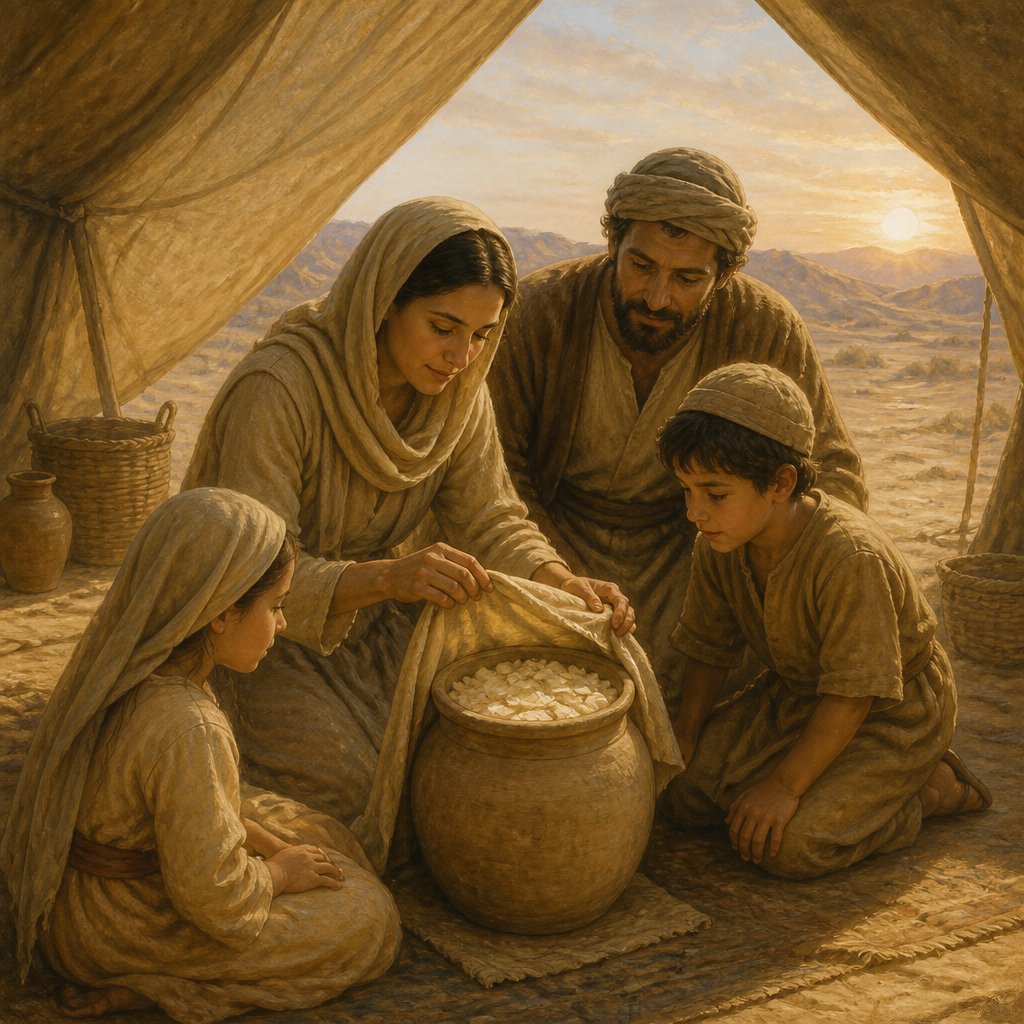
Exodus 16:24 (KJV) states, "And they laid it up till the morning, as Moses bade: and it did not stink, neither was there any worm therein."
In order to fully understand the significance of this verse, it is important to recognize the context in which it is found. In the book of Exodus, the Israelites have been led out of Egypt by Moses and are now wandering in the desert. They have been freed from slavery, but are struggling to find food and water. In this particular chapter, the Israelites have been grumbling to Moses and Aaron about their lack of provisions. In response, God provides manna and quail for the people to eat, but with specific instructions on how to gather and handle it.
In this verse, we see the Israelites following Moses' instructions to gather the manna and store it until the morning. The fact that the manna does not spoil or become infested with worms is a miraculous sign of God's provision and faithfulness. This verse serves as a testament to the Israelites, and to us as readers, of God's ability to provide for His people and sustain them even in the midst of barrenness and scarcity. It also highlights the importance of obedience to God's commands, as the manna only remained fresh when the Israelites followed Moses' instructions.
The theme of God's faithfulness and provision is a central focus of this verse. Throughout the Bible, we see numerous examples of God providing for His people in miraculous ways. In the New Testament, Jesus demonstrates this same provision through His miracles of feeding the multitudes with limited resources. This verse serves as a reminder to believers that God is able to meet our needs, even in seemingly impossible circumstances. It encourages us to trust in His faithfulness and obey His commands, knowing that He will sustain us.
Additionally, the absence of spoilage and worms in the manna can be seen as symbolic of purity and righteousness. In a spiritual sense, the manna represents the spiritual sustenance and nourishment that God provides for His people. Just as the manna remained pure and untainted, God's Word and His blessings are incorruptible and without blemish. This verse challenges us to seek after the pure and unspoiled provisions of God, rather than relying on the fleeting and corruptible resources of the world.
Furthermore, this verse also serves as a reminder of the importance of obedience and following God's commands. The fact that the manna remained fresh only as long as the Israelites obeyed Moses' instructions demonstrates the link between obedience and God's provision. In our own lives, we are called to obey God's commands and trust in His guidance, knowing that He will provide for us in miraculous ways.
In conclusion, Exodus 16:24 is a powerful verse that speaks to the themes of God's provision, faithfulness, purity, and obedience. It serves as a reminder of God's ability to sustain His people and provide for their needs, even in the midst of scarcity. It also challenges believers to trust in God's faithfulness and obey His commands, knowing that He will continue to sustain us and provide for us in miraculous ways. This verse is a powerful testament to God's unwavering love and care for His people, and it encourages us to rely on Him for our daily sustenance.
Get our apps


Artwork for Exodus 16:24

Exodus 16:24 - "And they laid it up till the morning, as Moses bade: and it did not stink, neither was there any worm therein."

"And they laid it up till the morning, as Moses bade: and it did not stink, neither was there any worm therein." - Exodus 16:24

Exodus 24:16

Exodus 24:16 - "And the glory of the LORD abode upon mount Sinai, and the cloud covered it six days: and the seventh day he called unto Moses out of the midst of the cloud."

Exodus 24;16

Exodus 24:17

Exodus 24:4

Exodus 7:14-24

Exodus 24:9-11

Exodus 25:16

Exodus 25:16

Exodus 25:16

Genesis 24-16

Exodus 6:24 - "And the sons of Korah; Assir, and Elkanah, and Abiasaph: these are the families of the Korhites."

Exodus 24:15 - "And Moses went up into the mount, and a cloud covered the mount."

The Plague of Blood - Exodus 7:14-24

The Plague of Blood - Exodus 7:14-24

The Plague of Blood - Exodus 7:14-24

The Plague of Blood - Exodus 7:14-24

Exodus 19:16-20

Exodus 21:24 - "Eye for eye, tooth for tooth, hand for hand, foot for foot,"

Exodus 37:24 - "Of a talent of pure gold made he it, and all the vessels thereof."

"And the glory of the LORD abode upon mount Sinai, and the cloud covered it six days: and the seventh day he called unto Moses out of the midst of the cloud." - Exodus 24:16

Exodus 16:11 - "¶ And the LORD spake unto Moses, saying,"

Exodus 16:30 - "So the people rested on the seventh day."

Exodus 12:24 - "And ye shall observe this thing for an ordinance to thee and to thy sons for ever."

Exodus 15:24 - "And the people murmured against Moses, saying, What shall we drink?"

Exodus 24:9 - "¶ Then went up Moses, and Aaron, Nadab, and Abihu, and seventy of the elders of Israel:"

Exodus 16:36 - "Now an omer is the tenth part of an ephah."

1 Chronicles 24:16 - "The nineteenth to Pethahiah, the twentieth to Jehezekel,"