What does Exodus 17:15 mean?
“And Moses built an altar, and called the name of it Jehovah-nissi:” — Exodus 17:15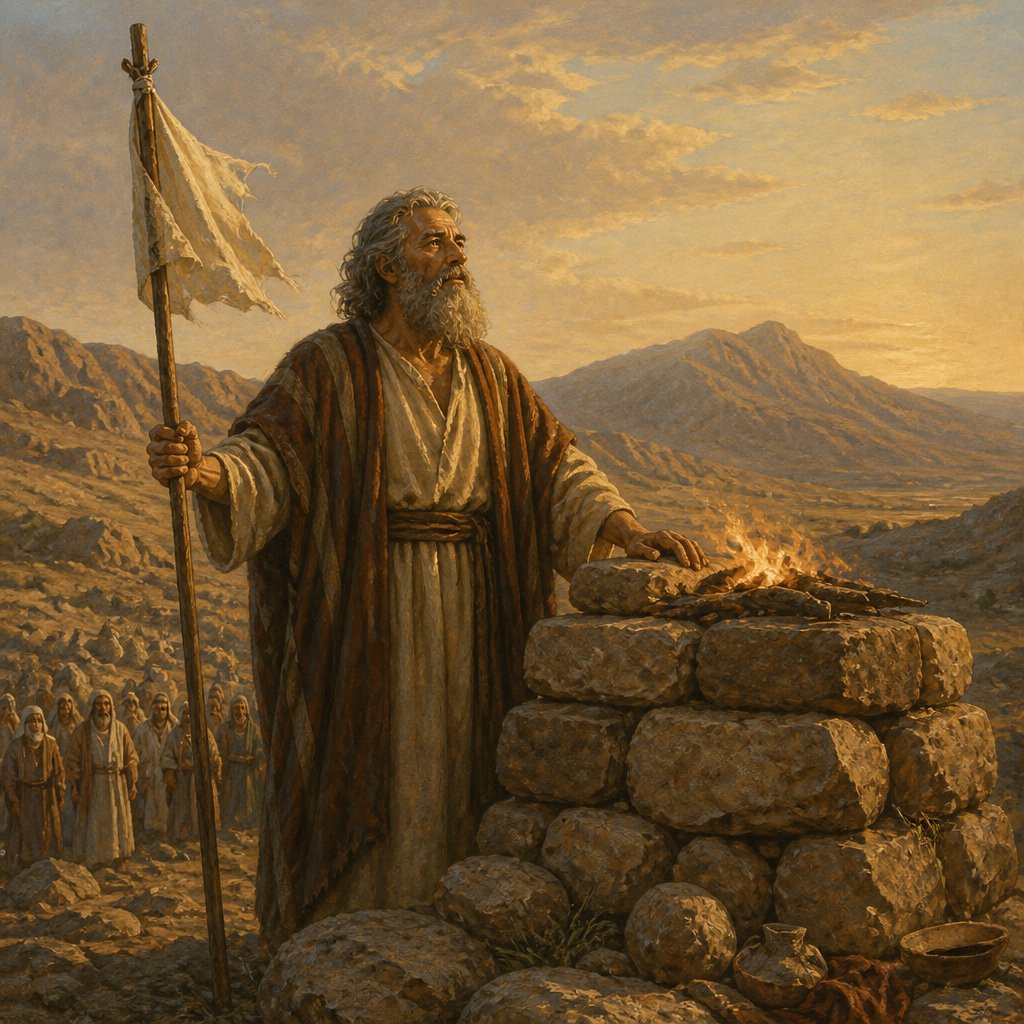
Exodus 17:15 (KJV) states, "And Moses built an altar, and called the name of it Jehovah-nissi."
This verse comes from the Book of Exodus in the Old Testament, which is the second book of the Bible. It is a pivotal moment in the Israelites' journey to the Promised Land, and it carries important themes of faith, victory, and the presence of God.
Before delving into the specific meaning of Exodus 17:15, it is crucial to understand the context in which this verse is situated. The Israelites, led by Moses, had just experienced a great victory over their enemies, the Amalekites, in a battle at Rephidim. This victory was only possible through the divine intervention of God, as Moses held up his staff, and his hands held high in prayer, the Israelites prevailed in battle. After the victory, Moses built an altar to commemorate the event and named it Jehovah-nissi, which translates to "The Lord is my Banner."
The name "Jehovah-nissi" carries significant symbolism and meaning. In the ancient Near East, a banner was raised as a symbol of leadership, authority, and protection. In the context of battle, a banner served as a rallying point for soldiers, a visible reminder of who they were fighting for and what they were fighting against. Therefore, naming the altar "Jehovah-nissi" reflects the Israelites' recognition that it was the Lord who had given them the victory over their enemies. The banner also symbolizes the presence of God with His people, providing them protection, strength, and guidance.
Furthermore, the name "Jehovah" itself holds profound significance. In the Bible, the name Jehovah, or Yahweh, is the personal name of God and is often associated with His covenantal faithfulness, His self-existent nature, and His eternal presence. By acknowledging the altar as "Jehovah-nissi," the Israelites were declaring their trust and reliance on the Lord as their ultimate source of strength and protection. This demonstrates their faith and obedience to God, recognizing His sovereignty and authority over their lives.
The imagery of God as a banner and a protector is further echoed throughout the Bible. In Isaiah 59:19 (KJV), it is written, "When the enemy shall come in like a flood, the Spirit of the Lord shall lift up a standard against him." Here, the "standard" serves as a similar symbol of God's protection and deliverance. Additionally, Psalm 20:5 (KJV) declares, "We will rejoice in thy salvation, and in the name of our God we will set up our banners: the Lord fulfil all thy petitions." This verse illustrates the act of setting up banners as an act of trust and celebration in God's deliverance.
The theme of victory and dependence on God present in Exodus 17:15 is also reflected in the New Testament. In 1 Corinthians 15:57 (KJV), Paul writes, "But thanks be to God, which giveth us the victory through our Lord Jesus Christ." This verse emphasizes the ultimate victory and deliverance that believers experience through Christ, echoing the theme of victory and dependence found in the Old Testament passage.
In conclusion, Exodus 17:15 (KJV) holds deep significance and symbolism within the narrative of the Israelites' journey. It represents the acknowledgment of God's presence, protection, and victory in the lives of His people. The name "Jehovah-nissi" serves as a powerful declaration of faith and reliance on God, reflecting the theme of the Lord's sovereignty and deliverance that reverberates throughout the entire Bible. It reminds believers of God's faithfulness and presence in their lives, serving as a source of encouragement and hope in times of struggle and uncertainty.
Get our apps


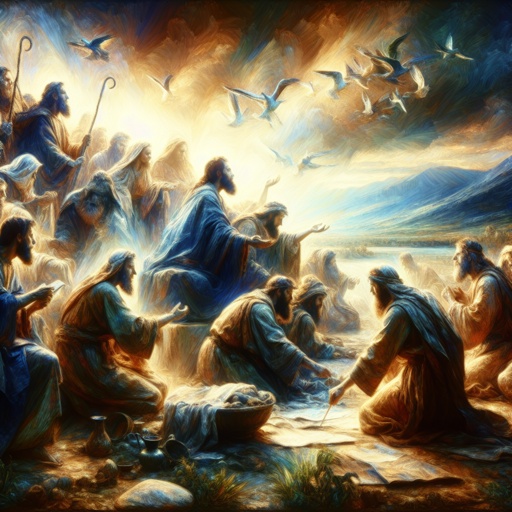
Artwork for Exodus 17:15

Exodus 17:15 - "And Moses built an altar, and called the name of it Jehovah-nissi:"
"And Moses built an altar, and called the name of it Jehovah-nissi:" - Exodus 17:15

Exodus 15:17 - "Thou shalt bring them in, and plant them in the mountain of thine inheritance, in the place, O LORD, which thou hast made for thee to dwell in, in the Sanctuary, O Lord, which thy hands have established."

exodus 15
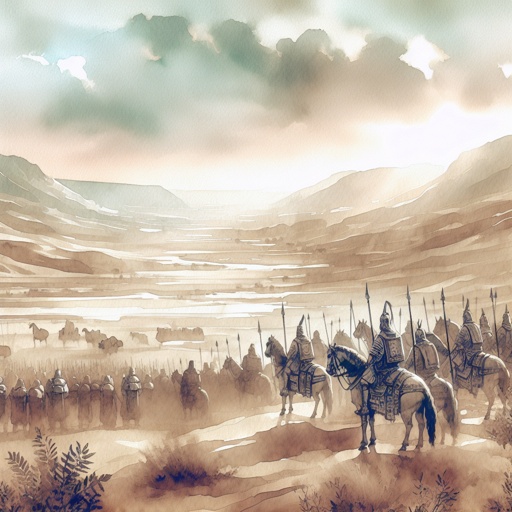
Exodus 17:10

Exodus 17:11

Exodus 17:6

Exodus 17:3

Exodus 17:3
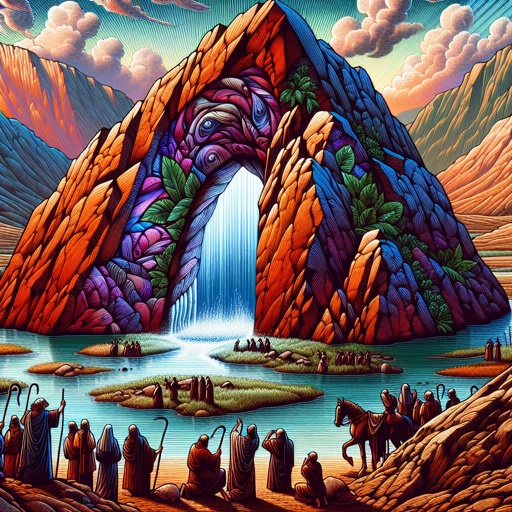
Exodus 17:6

Exodus 17:6

Exodus 24:17

Exodus 17:6

Exodus 15:22

Exodus 15:23

Exodus 15:5
Exodus 15:23

Exodus 15:21

Exodus 20:15 - "Thou shalt not steal."

Exodus 30:17 - "¶ And the LORD spake unto Moses, saying,"

Exodus 17:8 - "¶ Then came Amalek, and fought with Israel in Rephidim."

Exodus 28:15-30

Exodus 8:1-15

Exodus 13:17-14:29

Genesis 17-15

Acts 17:15

Provers 15:17

Exodus 6:17 - "The sons of Gershon; Libni, and Shimi, according to their families."

Exodus 34:17 - "Thou shalt make thee no molten gods."

Exodus 15:18 - "The LORD shall reign for ever and ever."