What does Exodus 18:21 mean?
“Moreover thou shalt provide out of all the people able men, such as fear God, men of truth, hating covetousness; and place such over them, to be rulers of thousands, and rulers of hundreds, rulers of fifties, and rulers of tens:” — Exodus 18:21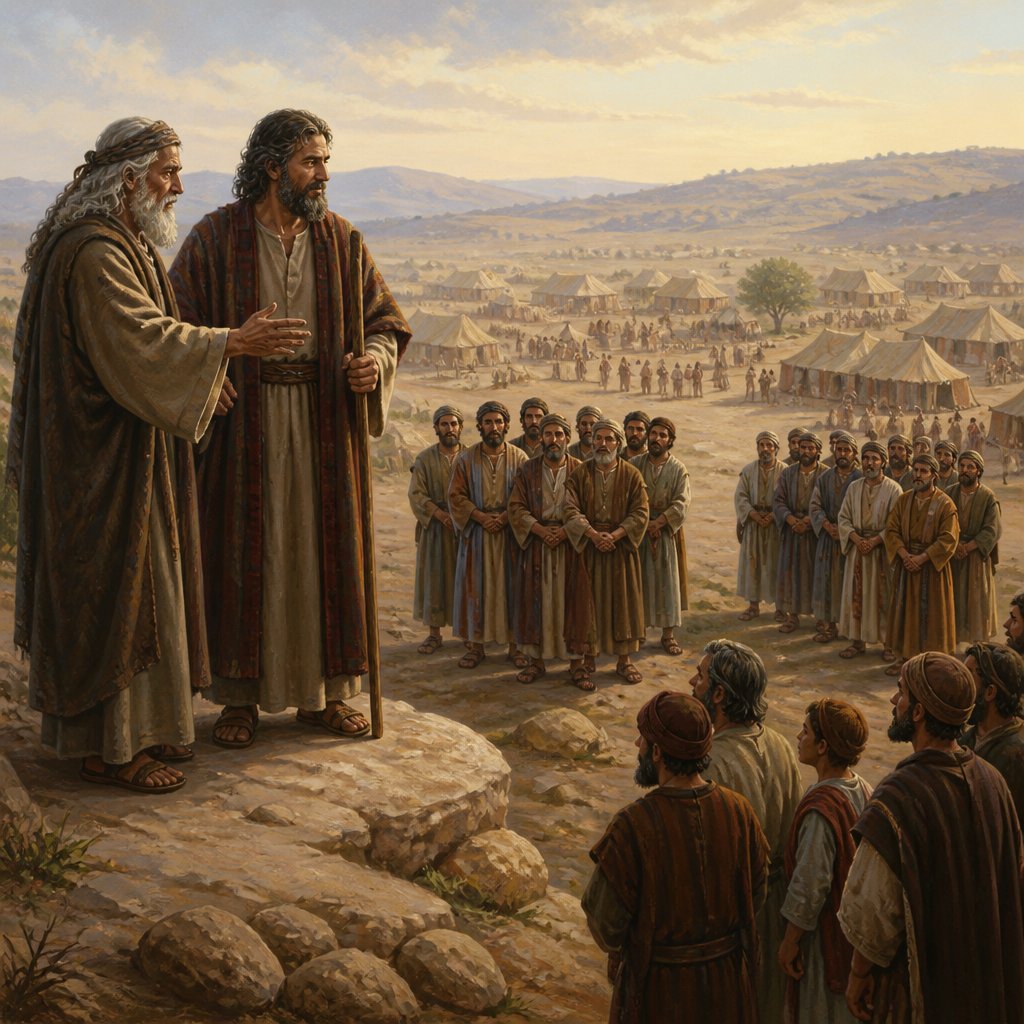
Exodus 18:21 in the King James Version of the Bible states, "Moreover thou shalt provide out of all the people able men, such as fear God, men of truth, hating covetousness; and place such over them, to be rulers of thousands, and rulers of hundreds, rulers of fifties, and rulers of tens." This verse comes from the Book of Exodus in the Old Testament and is part of a larger passage in which Jethro, Moses' father-in-law, advises him on how to delegate the responsibility of judging and leading the Israelites.
In this verse, Jethro is instructing Moses on how to select leaders from among the people to help him judge and govern the nation. The selection criteria outlined by Jethro are significant, as they not only prescribe the qualifications for leadership but also articulate a moral and ethical standard for those in positions of authority.
The first criterion mentioned in the verse is that the leaders should be "able men." This means that they should be competent, skilled, and capable of carrying out their responsibilities effectively. It also implies that they should have the necessary wisdom and judgment to make sound decisions and lead the people with competence and integrity.
The next criterion is that the leaders should "fear God." This is a crucial qualification, as it emphasizes the importance of a leader's reverence for and obedience to God. This fear of God is not a paralyzing terror but a deep respect and awe for the Almighty, which informs a person's actions and decisions. It is an acknowledgment of God's sovereignty and a commitment to following His will in all matters.
The third criterion is that the leaders should be "men of truth." This underscores the significance of honesty, integrity, and transparency in leadership. It highlights the importance of speaking the truth, upholding justice, and adhering to moral principles. A leader who is committed to truth is trustworthy, reliable, and credible, fostering trust and confidence among the people they govern.
The final criterion is that the leaders should "hate covetousness." This reflects the idea that leaders should not be motivated by greed, self-interest, or the pursuit of personal gain. Instead, they should be selfless, altruistic, and focused on the well-being of the community they serve. This criterion promotes the idea of servant leadership, where leaders prioritize the needs of others above their own desires.
Furthermore, the verse establishes a hierarchical structure for governance, with leaders appointed over thousands, hundreds, fifties, and tens. This framework organizes the administration and distribution of justice, ensuring that the burden of leadership is shared and that the needs of the people are effectively met at various levels of authority.
In terms of context, this verse is situated within the larger narrative of the Israelites' journey from slavery in Egypt to the Promised Land under the leadership of Moses. Jethro's counsel to Moses comes after observing the exhaustive and unsustainable nature of his role as the sole judge and mediator for the people. Jethro's advice not only provides practical guidance for Moses but also reflects the divine wisdom and discernment required for effective governance.
Symbolically, this verse embodies the timeless principles of good governance, ethical leadership, and the foundational values of justice, truth, and moral uprightness. It underscores the biblical emphasis on the qualities and virtues necessary for leadership and underscores the notion that leaders are entrusted with authority to serve and uphold the common good.
In summary, Exodus 18:21 in the King James Version offers a timeless blueprint for leadership, emphasizing the importance of competence, reverence for God, truthfulness, and selflessness in those who are entrusted with positions of authority. It serves as a powerful reminder of the moral and ethical standards to which leaders should aspire, and it continues to resonate with relevance and significance in the present day.
Get our apps


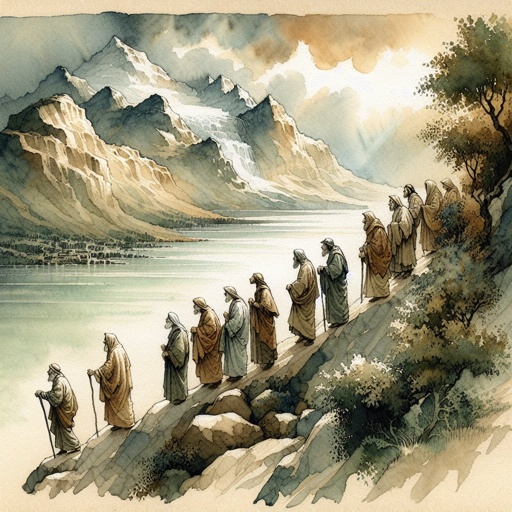
Artwork for Exodus 18:21

Exodus 18:21 - "Moreover thou shalt provide out of all the people able men, such as fear God, men of truth, hating covetousness; and place such over them, to be rulers of thousands, and rulers of hundreds, rulers of fifties, and rulers of tens:"
"Moreover thou shalt provide out of all the people able men, such as fear God, men of truth, hating covetousness; and place such over them, to be rulers of thousands, and rulers of hundreds, rulers of fifties, and rulers of tens:" - Exodus 18:21

Exodus 21:18 - "¶ And if men strive together, and one smite another with a stone, or with his fist, and he die not, but keepeth his bed:"
"¶ And if men strive together, and one smite another with a stone, or with his fist, and he die not, but keepeth his bed:" - Exodus 21:18

Exodus 18

Exodus 14: 21

Exodus 14: 21

Exodus 15:21

Proverbs 18:21

Proverbs 18:21

Proverbs 18:21

Proverbs 18:21

Exodus 31: 18

exodus 18:11

Exodus 21:21 - "Notwithstanding, if he continue a day or two, he shall not be punished: for he is his money."

Proverbs 18:21

Proverbs 18:21

Proverbs 18:21

Proverbs 18:21

Proverbs 18:21
Proverbs 18:21
Proverbs 18:21

Proverbs 18:21

Exodus 27:19-21

Exodus 6:21 - "¶ And the sons of Izhar; Korah, and Nepheg, and Zichri."

Genesis 18-21

Genesis 21-18

Exodus 21:25 - "Burning for burning, wound for wound, stripe for stripe."

Exodus 22:18 - "¶ Thou shalt not suffer a witch to live."

Exodus 15:18 - "The LORD shall reign for ever and ever."