What does Exodus 18:3 mean?
“And her two sons; of which the name of the one was Gershom; for he said, I have been an alien in a strange land:” — Exodus 18:3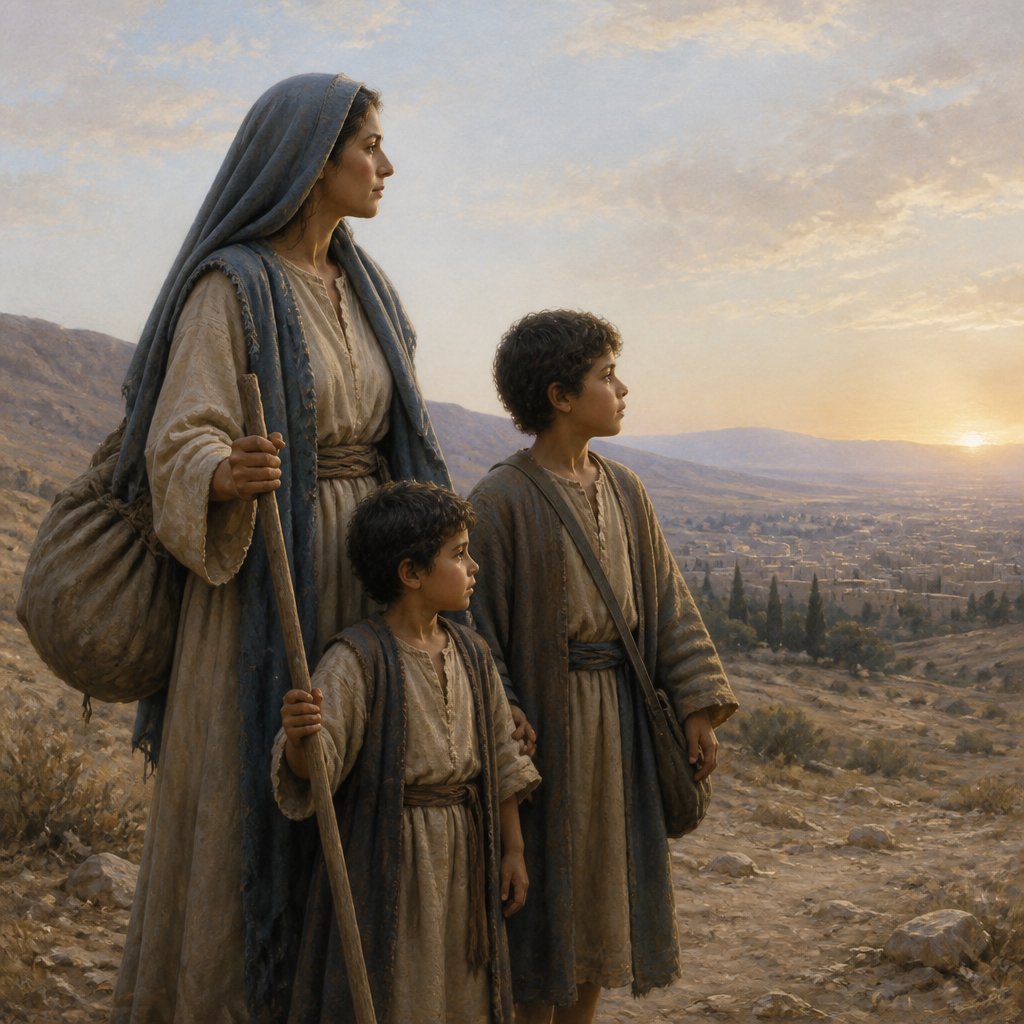
Exodus 18:3 (KJV) - "And her two sons; of which the name of the one was Gershom; for he said, I have been an alien in a strange land:"
This verse is part of the Old Testament book of Exodus, which details the story of the Israelites' escape from slavery in Egypt and their journey to the Promised Land. This specific verse is situated within the broader narrative of Moses and his family, as they make their way to the land of Midian.
In this verse, we are introduced to two of Moses' sons, one of whom is named Gershom. The meaning of the name Gershom is significant, as it reflects the circumstances in which Moses found himself at the time of the birth of his son. The name Gershom is derived from the Hebrew word "Ger," which means "stranger" or "alien," and "sham," which means "there." Therefore, the name Gershom can be interpreted to mean "alien there" or "an alien in a strange land."
The context in which this verse appears is pivotal to understanding its deeper implications. At the time of Gershom's birth, Moses was living as a foreigner in the land of Midian, having fled there to escape persecution in Egypt. This verse captures the sentiment of displacement and alienation that Moses must have felt as he sought refuge in a foreign land. It also serves as a reminder of the hardship and uncertainty that Moses experienced during this period of his life.
From a thematic perspective, Exodus 18:3 touches upon several key themes that are central to the broader narrative of the Bible. One of the primary themes is that of displacement and homelessness. Throughout the Bible, there are numerous instances of individuals and groups being uprooted from their homes and forced to wander in unfamiliar territories. This theme is particularly prevalent in the Old Testament, where the Israelites' journey from Egypt to the Promised Land embodies the struggle for belonging and stability.
Another noteworthy theme in this verse is the idea of identity and belonging. By naming his son Gershom, Moses is acknowledging the sense of alienation that he feels in his current situation. This act of naming reflects the deep emotional and psychological impact of being a stranger in a foreign land. Additionally, it speaks to the broader human experience of grappling with questions of identity and belonging, particularly in the face of adversity and displacement.
Symbolically, the name Gershom can be seen as a metaphor for the larger biblical narrative of the Israelites' journey through the wilderness. It represents the experience of being in a place that is not one's home, of being a stranger in a strange land. This symbolizes the broader human experience of feeling out of place and seeking a sense of belonging and security. It also serves as a testament to the resilience and fortitude of individuals who find themselves in unfamiliar and challenging circumstances.
In conclusion, Exodus 18:3 is a verse that carries profound thematic, contextual, and symbolic significance within the broader biblical narrative. It captures the sentiment of displacement and alienation that Moses experienced during his time in Midian and speaks to the broader human experience of grappling with questions of identity and belonging. Through the name of Gershom, this verse symbolizes the universal struggle for stability and belonging in the face of adversity. It serves as a poignant reminder of the resilience and perseverance of individuals who find themselves in unfamiliar and challenging circumstances.
Get our apps


Artwork for Exodus 18:3

Exodus 18:3 - "And her two sons; of which the name of the one was Gershom; for he said, I have been an alien in a strange land:"
"And her two sons; of which the name of the one was Gershom; for he said, I have been an alien in a strange land:" - Exodus 18:3

Exodus 18

Exodus 31: 18

exodus 18:11
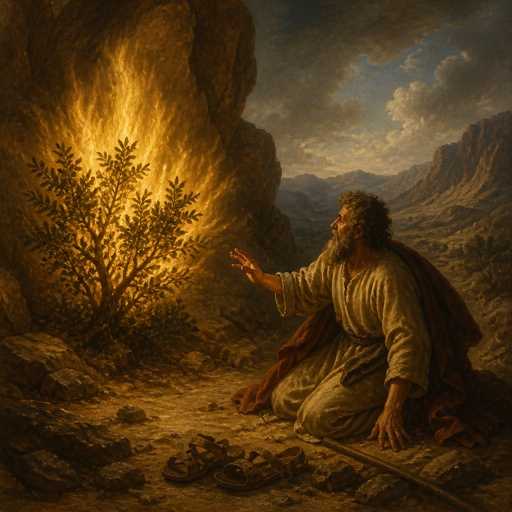
exodus 3

exodus 3

Exodus 22:18 - "¶ Thou shalt not suffer a witch to live."

Exodus 15:18 - "The LORD shall reign for ever and ever."

Exodus 35:18 - "The pins of the tabernacle, and the pins of the court, and their cords,"

Exodus 28:18 - "And the second row shall be an emerald, a sapphire, and a diamond."

Exodus 10:18 - "And he went out from Pharaoh, and intreated the LORD."

Exodus 17:3

Exodus 3:12

Exodus 3:12

Exodus 3:12

Exodus 3:12

Exodus 3:12
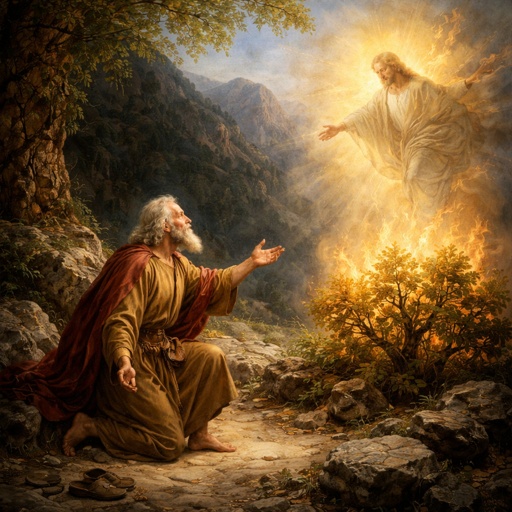
exodus 3:11

Exodus 3:14

exodus 3:14

Exodus 3:14

Exodus 3:14

Exodus 3:14

Exodus 17:3

Exodus 3:12

Exodus 3:12

Exodus 18:18 - "Thou wilt surely wear away, both thou, and this people that is with thee: for this thing is too heavy for thee; thou art not able to perform it thyself alone."

Exodus 33:18 - "And he said, I beseech thee, shew me thy glory."

Exodus 1:3 - "Issachar, Zebulun, and Benjamin,"