What does Exodus 20:10 mean?
“But the seventh day is the sabbath of the LORD thy God: in it thou shalt not do any work, thou, nor thy son, nor thy daughter, thy manservant, nor thy maidservant, nor thy cattle, nor thy stranger that is within thy gates:” — Exodus 20:10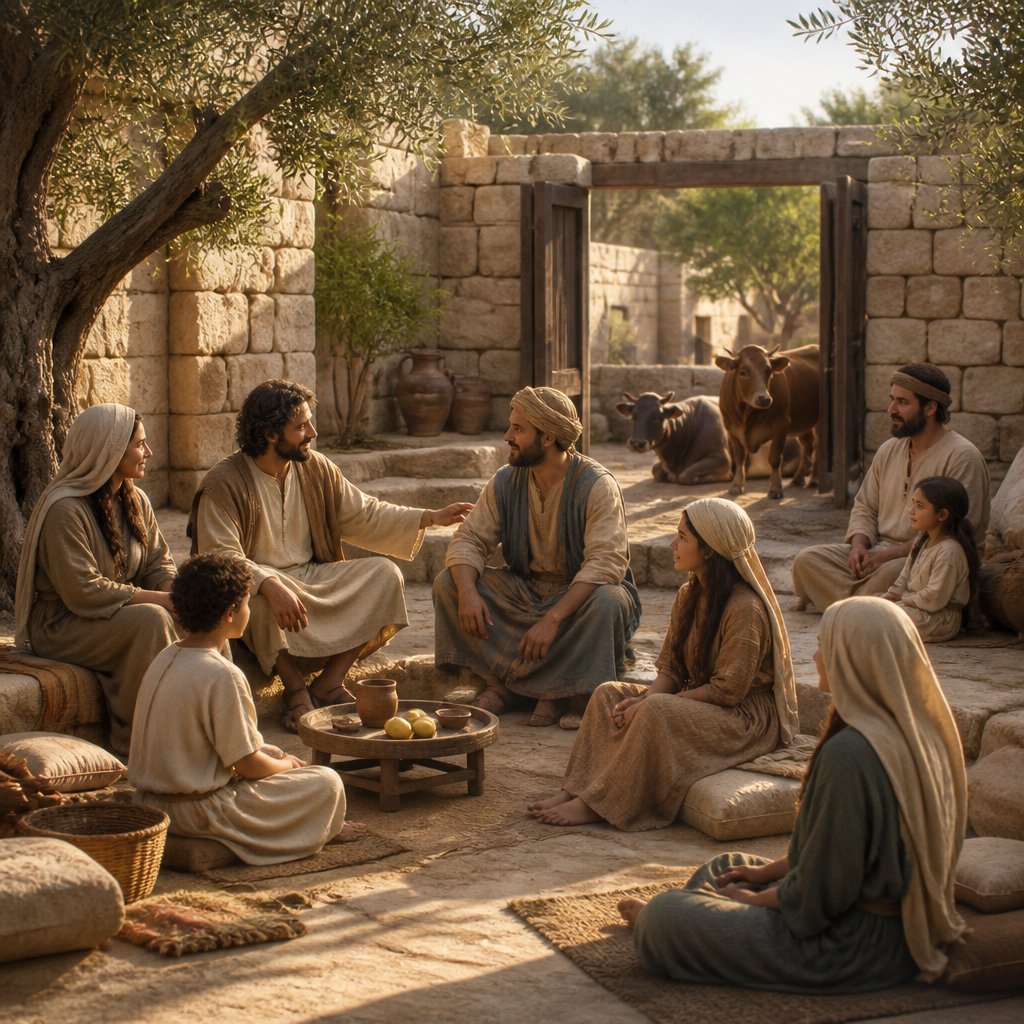
Exodus 20:10 reads in the King James Version (KJV): "But the seventh day is the sabbath of the LORD thy God: in it thou shalt not do any work, thou, nor thy son, nor thy daughter, thy manservant, nor thy maidservant, nor thy cattle, nor thy stranger that is within thy gates."
This verse is part of the Ten Commandments, a set of moral and religious imperatives that are recognized in Judaism and Christianity. The commandment to observe the Sabbath is a pivotal aspect of both religious traditions, and it holds great significance in terms of resting, worshiping, and honoring God.
At the time of the writing of Exodus, the Israelites had just been freed from their bondage in Egypt, and they were being established as a nation under God's guidance through Moses. The Sabbath was established by God as a day of rest and worship to commemorate the day when He rested after creating the world in six days. The observance of the Sabbath, marked by ceasing from work and engaging in worship and rest, was a sign of the covenant between God and the Israelites.
There are several key themes and principles that emerge from this verse: rest, worship, and honoring God. The command to rest on the Sabbath is reflective of the divine order established during the creation story. It is a time for individuals and communities to pause from their labor, reflect on their relationship with God, and replenish their physical and spiritual strength. By setting aside one day for rest, God emphasizes the value of self-care, community, and spiritual rejuvenation.
This verse also emphasizes the importance of worship. The Sabbath is a time for believers to gather together to honor and praise God. It is a day to seek spiritual nourishment through prayer, study, and communal worship. By setting aside a specific day for focused devotion, individuals are able to cultivate a deeper relationship with God and strengthen their faith.
Additionally, the command to observe the Sabbath applies not only to oneself but also to one's entire household, including children, servants, and even animals. This reflects the inclusivity of the Sabbath and the importance of community in the worship and rest. It also serves as a reminder of the fundamental equality and dignity of every person, regardless of their social status or role within the household.
The symbolism of the Sabbath is rich and multifaceted. It represents a time of spiritual renewal and reconnection with God. The cessation of work symbolizes a trust in God's provision and sovereignty, as well as a recognition of the limitations of human effort. By abstaining from worldly concerns and focusing on the divine, individuals are able to experience a sense of freedom and release from the burdens of daily life.
In a broader context, the observance of the Sabbath has implications for ethical and social justice issues. It serves as a reminder of the importance of honoring and caring for the well-being of others, including family members, employees, and even animals. The Sabbath commandment sets a standard for fair treatment and compassion towards all members of society, regardless of their social standing or role.
In conclusion, Exodus 20:10 from the King James Version carries deep spiritual, ethical, and communal significance. It emphasizes the timeless values of rest, worship, and honoring God, and invites individuals to engage in a sacred and transformative experience. The observance of the Sabbath stands as a testament to the enduring relevance of ancient religious traditions and their profound impact on personal, communal, and societal well-being.
Get our apps


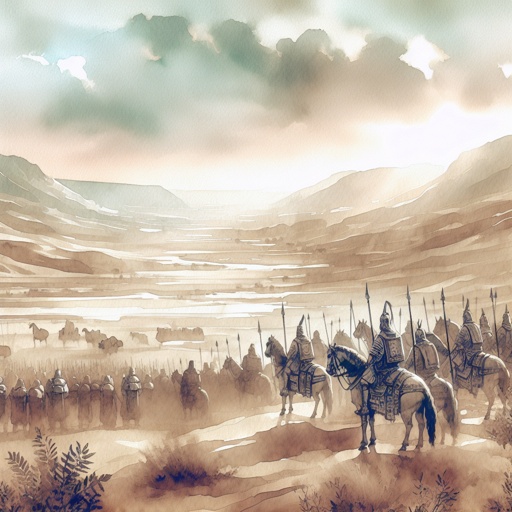
Artwork for Exodus 20:10
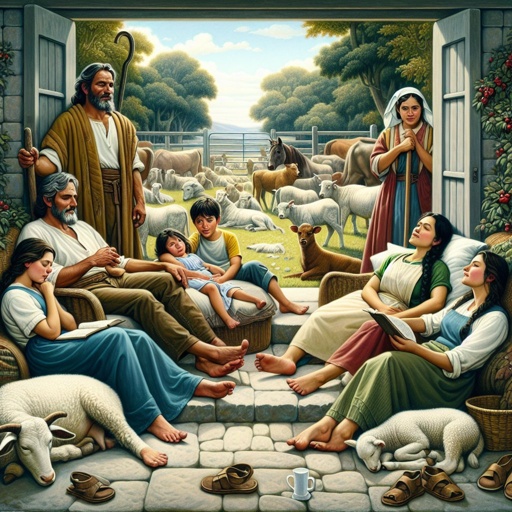
Exodus 20:10 - "But the seventh day is the sabbath of the LORD thy God: in it thou shalt not do any work, thou, nor thy son, nor thy daughter, thy manservant, nor thy maidservant, nor thy cattle, nor thy stranger that is within thy gates:"
"But the seventh day is the sabbath of the LORD thy God: in it thou shalt not do any work, thou, nor thy son, nor thy daughter, thy manservant, nor thy maidservant, nor thy cattle, nor thy stranger that is within thy gates:" - Exodus 20:10

The Plague of Locusts - Exodus 10:1-20

The Plague of Locusts - Exodus 10:1-20

The Plague of Locusts - Exodus 10:1-20

The Plague of Locusts - Exodus 10:1-20

The Plague of Locusts - Exodus 10:1-20

The Plague of Locusts - Exodus 10:1-20

The Plague of Locusts - Exodus 10:1-20

The Plague of Locusts - Exodus 10:1-20

Exodus 10:20 - "But the LORD hardened Pharaoh's heart, so that he would not let the children of Israel go."
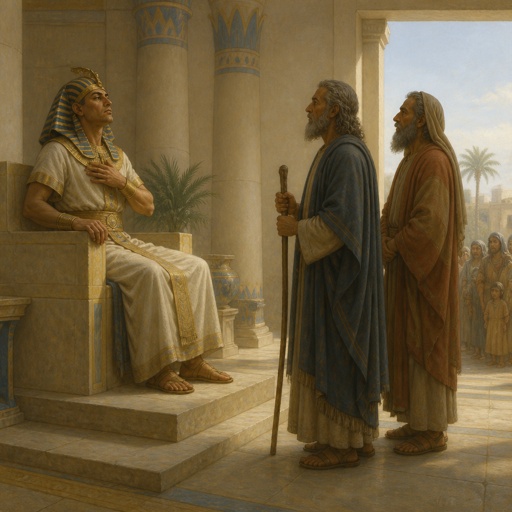
"But the LORD hardened Pharaoh's heart, so that he would not let the children of Israel go." - Exodus 10:20

Exodus 23:20

Exodus 20:2

Exodus 27:20

Exodus 27:20

Exodus 27:20

Exodus 20:14

Exodus 20:15 - "Thou shalt not steal."

Exodus 20:13 - "Thou shalt not kill."

Exodus 27:19-20

Exodus 19:16-20

Exodus 20:14 - "Thou shalt not commit adultery."

Exodus 20:1 - "And God spake all these words, saying,"

Exodus 20:8 - "Remember the sabbath day, to keep it holy."

Exodus 7:10

Exodus 7:10

Exodus 10:12
Exodus 17:10

Exodus 10:12