What does Exodus 20:12 mean?
"Honour thy father and thy mother: that thy days may be long upon the land which the LORD thy God giveth thee." - Exodus 20:12
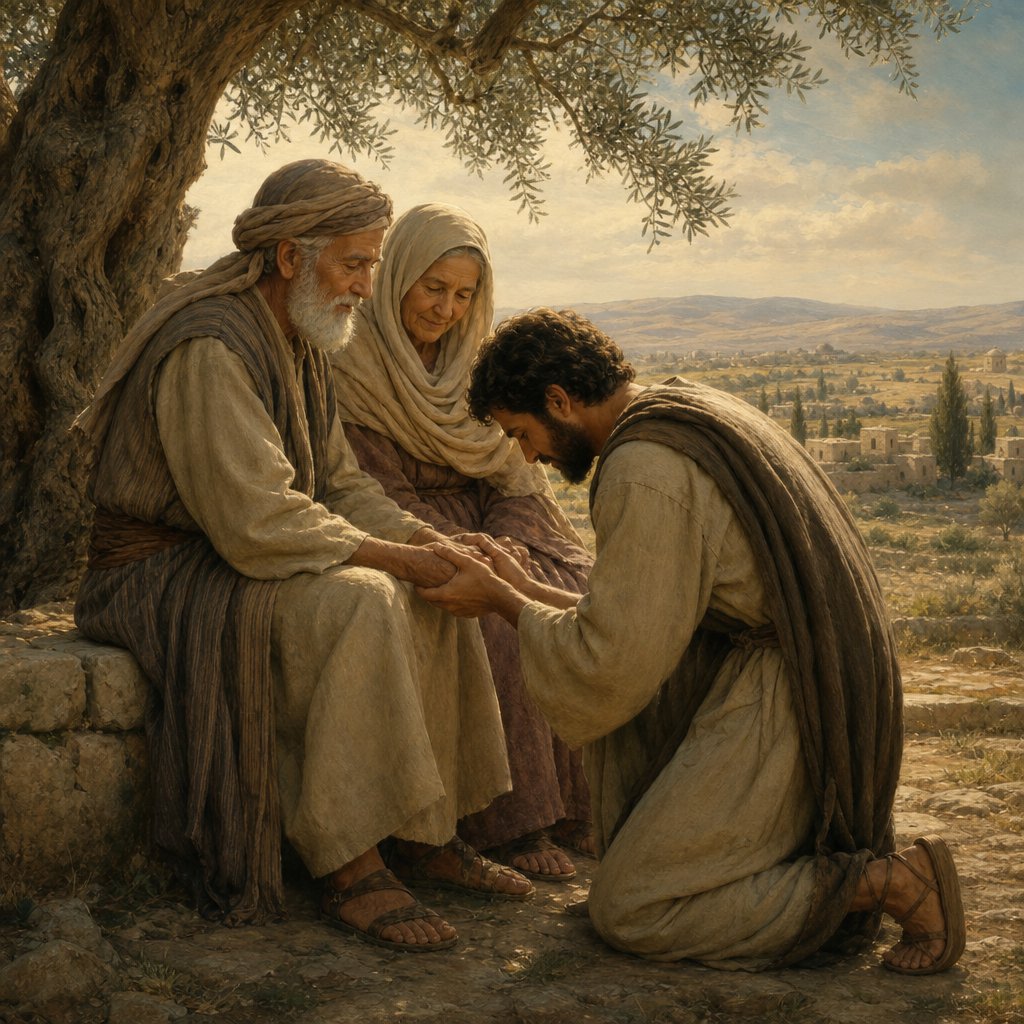
“Honour thy father and thy mother: that thy days may be long upon the land which the LORD thy God giveth thee.” (Exodus 20:12, KJV)
In Exodus 20:12 the LORD speaks from Sinai in the midst of the giving of the commandments, and this sentence stands as a sacred bridge between man’s duty toward God and man’s duty toward man. In the surrounding context of Exodus 20, the words come after commandments that set the heart in right relation to the LORD—having no other gods before him, refusing graven images, not taking his name in vain, and remembering the sabbath day to keep it holy—and before commandments that govern neighborly life—thou shalt not kill, commit adultery, steal, bear false witness, nor covet. In that arrangement, “Honour thy father and thy mother” is placed with deliberate weight. It is the first commandment that turns the worshipper outward into daily human relationships, yet it still carries the gravity of divine worship because the command is spoken by the LORD himself and grounded in his authority: “the LORD thy God.” The home becomes the first sphere in which obedience to God is practiced; reverence that begins at the altar is tested at the table.
The key word is “honour.” In this verse honour is not merely outward politeness, nor a sentimental affection, but a moral posture of reverence, esteem, and dutiful regard expressed in concrete life. Honour includes hearing, respecting, and valuing father and mother as the God-ordained instruments of one’s life and nurture. It speaks to the order God establishes in the family as a foundational order for the whole community. In Israel’s covenant life, the parents are not simply private figures but stewards of instruction, memory, and faithfulness. The family is the first school of the fear of the LORD; therefore to honour father and mother is to honour the structure by which God ordinarily preserves knowledge, restraint, mercy, and wisdom across generations.
The verse’s phrasing is also striking in that it names both “thy father and thy mother.” In an ancient setting where paternal authority could be presumed, the equal inclusion of the mother under the same command gives her a dignity that is not incidental. Both parents stand together as worthy of honour because both stand under God as instruments of his providence. The command is personal as well: “thy father and thy mother.” It does not speak abstractly about parents in general but calls the hearer to faithfulness in the actual, concrete relationships God has given.
The promise attached to the command unfolds its significance: “that thy days may be long upon the land which the LORD thy God giveth thee.” This joins obedience in the home to blessing in the nation. In Exodus, “the land” is not a random location; it is the covenant inheritance toward which the LORD is leading Israel through redemption and wilderness. The LORD “giveth” it; it is gift, not achievement. The promise therefore is not merely about individual longevity in the narrow sense, though it includes the idea that God’s moral order is life-giving. It is also about stability, continuity, and flourishing in the place of God’s promise. A people who learn honour in the household are being shaped into a people who can live together in the land without dissolving into violence, lawlessness, and distrust. When the family collapses, the nation’s life is shortened; when the family is ordered under God, the nation’s life is extended. The promise ties the smallest social unit to the largest covenant hope.
Symbolically, father and mother represent the first earthly authorities a person encounters, and learning to honour them becomes an apprenticeship in rightly handling authority itself. In the wider movement of Exodus 20, the LORD is establishing his kingship over a redeemed people. To honour parents is not the worship of parents, but the recognition that God mediates many of his gifts—life, provision, instruction, correction—through appointed means. Thus the command trains the heart away from contempt, self-sovereignty, and forgetfulness. Contempt says, in effect, “I made myself; I owe nothing; I will not be told.” Honour says, “I received life; I have obligations; I will be shaped.” In this way the command strikes at pride and at the illusion of independence, reminding the hearer that covenant life begins with gratitude and humility.
The verse also carries a moral logic that is both practical and spiritual. Practically, honouring parents tends to preserve life: it restrains reckless impulses, transmits wisdom, and protects from choices that destroy communities. Spiritually, it reflects the pattern of covenant faithfulness. Israel has been redeemed by the LORD’s mighty hand; the proper response is obedience that touches real life. The LORD who commands worship also commands relational righteousness, and the promise shows that obedience is not sterile but fruitful. Long days “upon the land” evokes not merely length but settledness, peace, and the continuity of blessing under God’s rule.
In sum, Exodus 20:12 is significant because it places the family at the heart of covenant ethics, treating honour toward parents as a vital expression of obedience to the LORD and as a cornerstone of communal stability. It joins reverence to responsibility, authority to gratitude, and personal conduct to national blessing, all under the overarching truth that the LORD is the giver: “the land which the LORD thy God giveth thee.”
Have questions about Exodus 20:12?
Dive deeper into this scripture with Bible Chat — an AI-powered tool for exploring God's Word through conversation. Ask questions, get context, and grow in your understanding of the Bible.
Get Our Apps


Exodus 20:12 Artwork
Exodus 20:12 - "¶ Honour thy father and thy mother: that thy days may be long upon the land which the LORD thy God giveth thee."

"¶ Honour thy father and thy mother: that thy days may be long upon the land which the LORD thy God giveth thee." - Exodus 20:12
"¶ Honour thy father and thy mother: that thy days may be long upon the land which the LORD thy God giveth thee." - Exodus 20:12
Exodus 12:20 - "Ye shall eat nothing leavened; in all your habitations shall ye eat unleavened bread."

Exodus 12:12
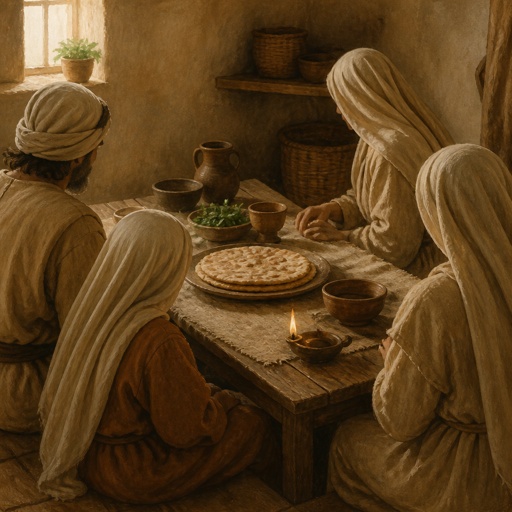
"Ye shall eat nothing leavened; in all your habitations shall ye eat unleavened bread." - Exodus 12:20

Exodus 23:20

Exodus 20:2

Exodus 27:20

Exodus 27:20

Exodus 27:20

Exodus 20:14

Exodus 20:15 - "Thou shalt not steal."

Exodus 20:13 - "Thou shalt not kill."

Exodus 27:19-20

Exodus 19:16-20

Exodus 20:14 - "Thou shalt not commit adultery."

Exodus 3:12

Exodus 3:12

Exodus 3:12

Exodus 3:12

Exodus 3:12

Exodus 12:33

Exodus 20:1 - "And God spake all these words, saying,"

Exodus 20:8 - "Remember the sabbath day, to keep it holy."

Exodus 12:7

Exodus 10:12
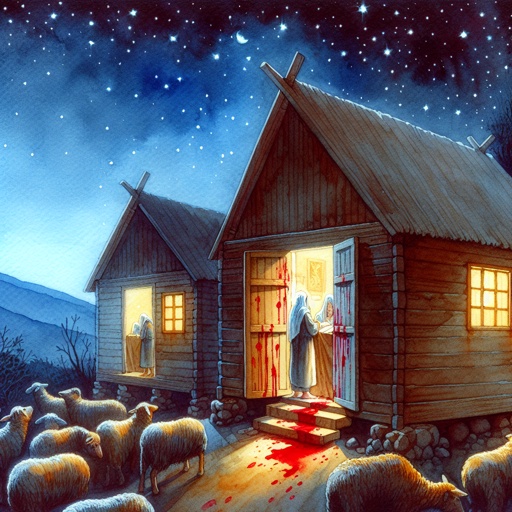
Exodus 12:13

Exodus 10:12

Exodus 3:12