What does Exodus 20:7 mean?
"Thou shalt not take the name of the LORD thy God in vain; for the LORD will not hold him guiltless that taketh his name in vain." - Exodus 20:7
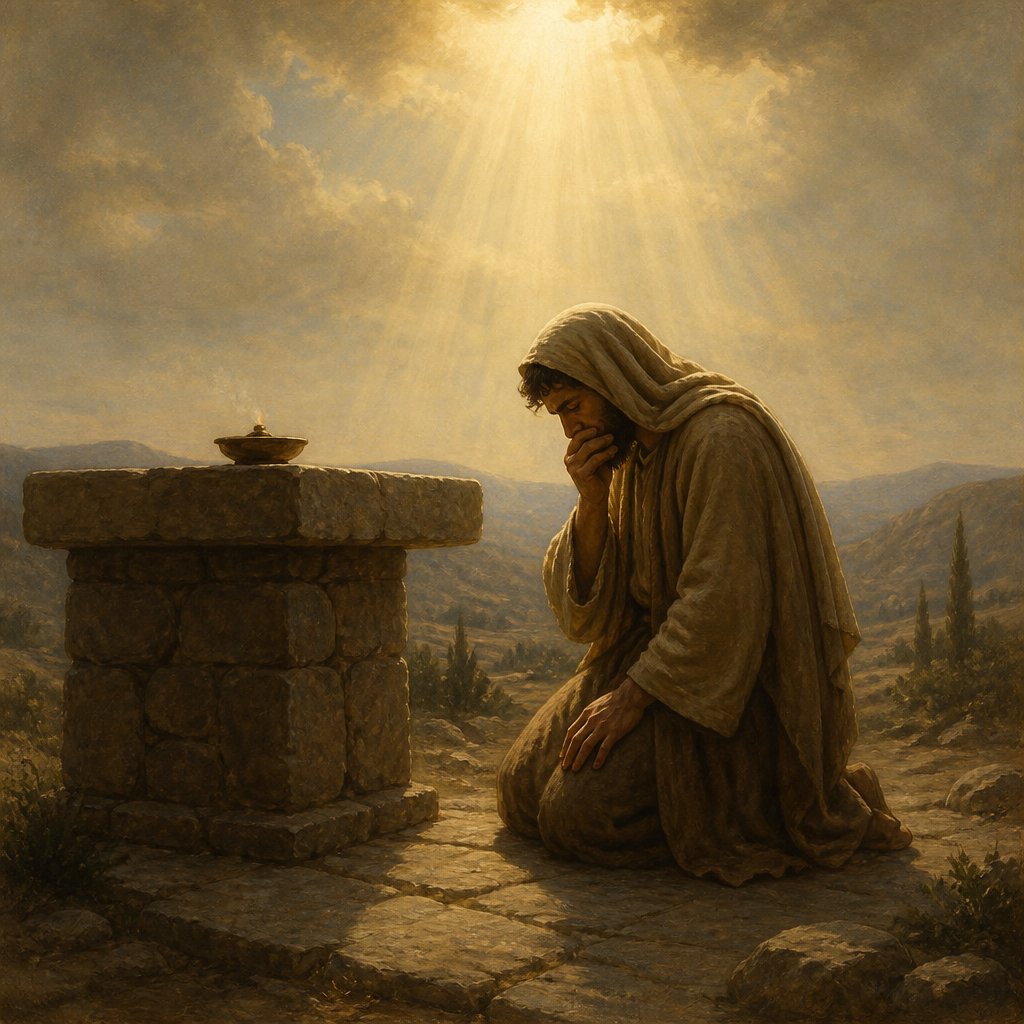
Exodus 20:7 in the King James Version of the Bible states, "Thou shalt not take the name of the Lord thy God in vain; for the Lord will not hold him guiltless that taketh his name in vain." This verse is part of the Ten Commandments given to Moses by God on Mount Sinai and holds significant importance in the Judeo-Christian faith. The verse is a reflection of the reverence and respect that is due to the divine name of God.
The theme of this verse revolves around the sanctity of God's name and the commandment to not misuse or dishonor it. This commandment is a reflection of the believer's obligation to honor and worship God in every aspect of life, including speech and action. The verse emphasizes the sacredness of God's name and underscores the importance of speaking about God with respect and reverence.
The context of Exodus 20:7 is important in understanding its meaning. The Ten Commandments were given to the Israelites as a guide for living a righteous and just life. This particular commandment is a reminder to the Israelites, and by extension to all believers, to uphold the honor and sanctity of God's name. In ancient Hebrew culture, a person's name was representative of their character and essence. Therefore, to misuse or profane someone's name was seen as an affront to their very being. In the same way, taking the name of the Lord in vain is a serious offense in the eyes of God.
The commandment not to take the name of the Lord in vain is a reflection of the believer's relationship with God. It serves as a reminder that our words and actions should align with our faith and reverence for God. This commandment teaches us the power and significance of the words we speak, and it calls for a careful and considerate approach to using God's name. This commandment extends beyond simply speaking the name of God and encompasses all forms of speech and thought that degrade or belittle the divine.
The verse also carries symbolic significance. God's name is representative of his nature and attributes. It embodies his holiness, righteousness, and sovereignty. Therefore, misusing or dishonoring his name is a direct affront to his character and essence. The commandment not to take the Lord's name in vain is a call to uphold the honor and reverence of God's divine nature.
Furthermore, the emphasis on the consequence of taking God's name in vain, "for the Lord will not hold him guiltless," underscores the severity of this commandment. It serves as a reminder that God holds us accountable for our words and actions, especially when it comes to our reverence for him. This commandment reflects the justice and righteousness of God and the expectation for his followers to uphold those same virtues.
In summary, Exodus 20:7 in the King James Version of the Bible is a powerful and significant commandment that emphasizes the sanctity and reverence of God's name. It serves as a reminder of our duty to honor and uphold the divine nature of God in all aspects of our lives. This commandment carries symbolic and contextual weight, underlining the importance of our relationship with God and the significance of our words and actions in reflecting our faith and reverence.
Have questions about Exodus 20:7?
Dive deeper into this scripture with Bible Chat — an AI-powered tool for exploring God's Word through conversation. Ask questions, get context, and grow in your understanding of the Bible.
Get Our Apps


Exodus 20:7 Artwork

Exodus 20:7 - "Thou shalt not take the name of the LORD thy God in vain; for the LORD will not hold him guiltless that taketh his name in vain."
"Thou shalt not take the name of the LORD thy God in vain; for the LORD will not hold him guiltless that taketh his name in vain." - Exodus 20:7

Exodus 7:20 - "And Moses and Aaron did so, as the LORD commanded; and he lifted up the rod, and smote the waters that were in the river, in the sight of Pharaoh, and in the sight of his servants; and all the waters that were in the river were turned to blood."

Exodus 23:20

Exodus 20:2

Exodus 27:20

Exodus 27:20

Exodus 27:20

Exodus 20:14

Exodus 20:15 - "Thou shalt not steal."

Exodus 20:13 - "Thou shalt not kill."

Exodus 27:19-20

Exodus 19:16-20

Exodus 20:14 - "Thou shalt not commit adultery."

Exodus 20:1 - "And God spake all these words, saying,"

Exodus 20:8 - "Remember the sabbath day, to keep it holy."

Exodus 7:10

Exodus 7:10

Exodus 12:7

Exodus 12:7

Exodus 20:20 - "And Moses said unto the people, Fear not: for God is come to prove you, and that his fear may be before your faces, that ye sin not."

Exodus 20:3 - "Thou shalt have no other gods before me."

The Plague of Locusts - Exodus 10:1-20

The Plague of Locusts - Exodus 10:1-20

The Plague of Flies - Exodus 8:20-32

The Plague of Locusts - Exodus 10:1-20

The Plague of Locusts - Exodus 10:1-20

The Plague of Locusts - Exodus 10:1-20

The Plague of Flies - Exodus 8:20-32.

The Plague of Locusts - Exodus 10:1-20