What does Exodus 20:9 mean?
“Six days shalt thou labour, and do all thy work:” — Exodus 20:9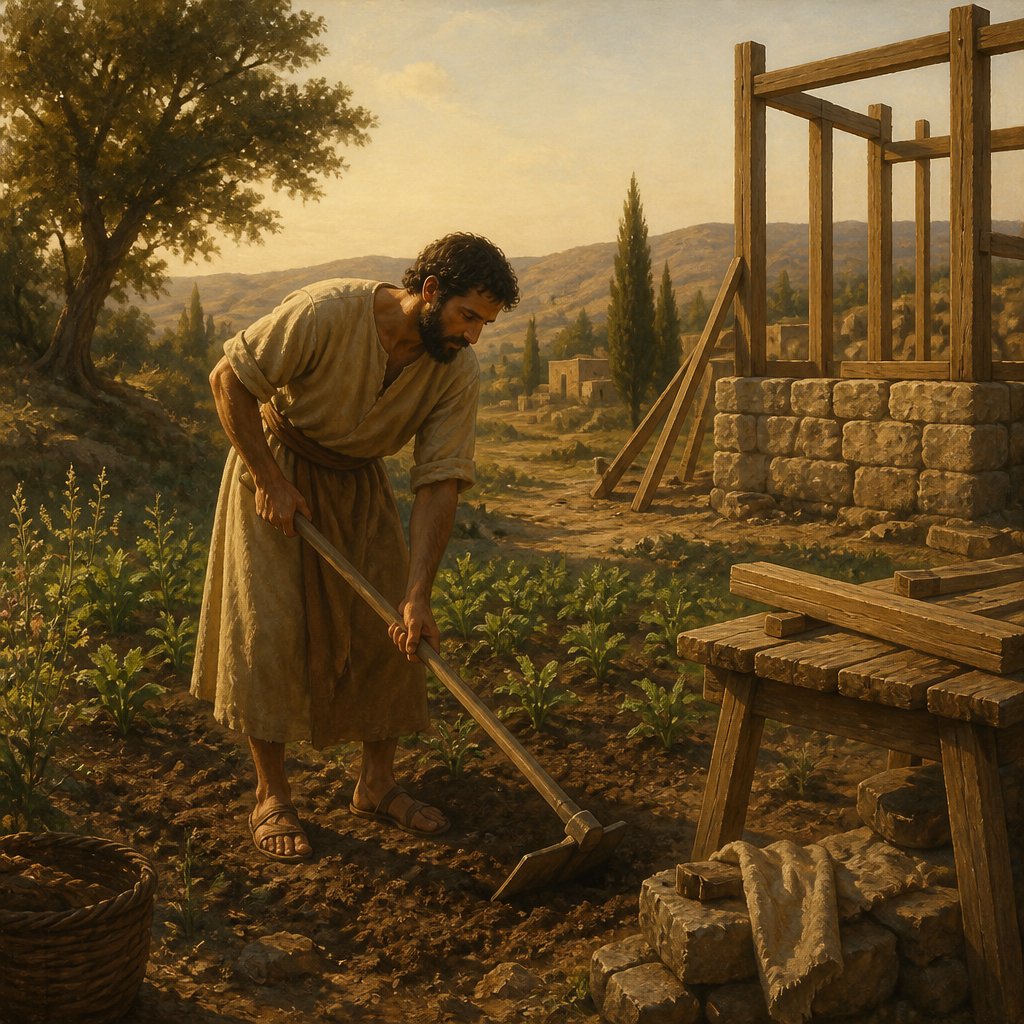
Exodus 20:9 in the King James Version (KJV) of the Bible states, "Six days shalt thou labour, and do all thy work." This verse is a part of the Ten Commandments given by God to Moses on Mount Sinai. The commandment signifies the importance of work and labor in the lives of individuals, and also emphasizes the need for rest and worship.
The commandment starts by instructing people to work for six days. This aspect of the verse emphasizes the biblical value of labor and the importance of hard work in our lives. The Bible teaches the virtue of diligence and commitment to work. It also emphasizes that work is a fundamental aspect of human existence, and it is through work that people contribute to the well-being of society and fulfill their God-given purpose. The commandment highlights the importance of responsibility and productivity in the lives of individuals.
Furthermore, the verse also highlights the significance of taking a break from work. It instructs individuals to rest on the seventh day. This aspect of the verse serves as a reminder that rest and relaxation are essential for physical, mental, and spiritual well-being. The Bible promotes the idea of taking time to rejuvenate and recharge, thus emphasizing the balance between work and rest. This concept is further echoed in the New Testament, where Jesus emphasized the importance of rest and spending time with God.
The verse also signifies the mandate for worship and reverence towards God. By instructing people to rest on the seventh day, it signifies the importance of setting aside time for spiritual reflection, prayer, and worship. This aspect of the verse emphasizes the significance of recognizing and honoring God as the creator and sustainer of all things. It encourages individuals to devote time to connect with the divine and seek spiritual nourishment.
In the context of the Old Testament, this commandment would have held particular significance for the Israelites. As they were a people who had recently been delivered from slavery in Egypt, this commandment would have served as a stark contrast to their former experiences. In Egypt, they had been forced to work continuously without rest. Now, as a free people, they were given the opportunity to work diligently for six days but were also commanded by God to rest on the seventh day. This commandment would have been a radical shift in their understanding of work and rest, and it would have served as a reminder of their new identity as God's chosen people.
The symbolism of this verse extends beyond its literal meaning. It serves as a reflection of the divine order and the balance between work, rest, and worship in the lives of individuals. It also signifies the value of time and the importance of setting aside dedicated periods for spiritual reflection and connection with the divine.
In conclusion, Exodus 20:9 in the King James Version of the Bible carries deep significance in its teachings about the value of work, the importance of rest, and the mandate for worship. It serves as a reminder of the divine order and the need for balance in the lives of individuals. The verse continues to offer timeless wisdom and guidance for people seeking to live a life that is grounded in faith and purpose.
Get our apps


Artwork for Exodus 20:9

Exodus 20:9 - "Six days shalt thou labour, and do all thy work:"
"Six days shalt thou labour, and do all thy work:" - Exodus 20:9

Exodus 9:20 - "He that feared the word of the LORD among the servants of Pharaoh made his servants and his cattle flee into the houses:"

Exodus 23:20

Exodus 20:2

Exodus 27:20

Exodus 27:20

Exodus 27:20

Exodus 20:14
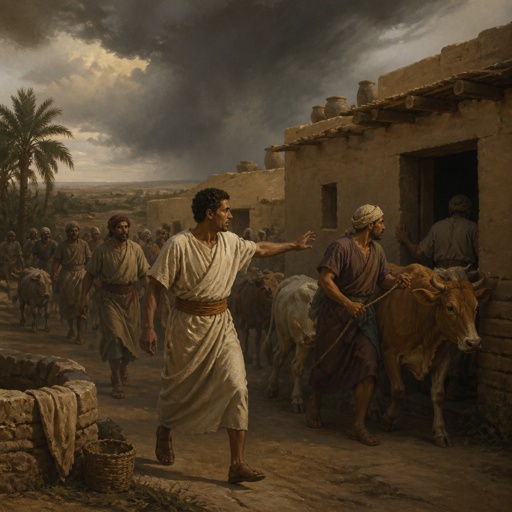
"He that feared the word of the LORD among the servants of Pharaoh made his servants and his cattle flee into the houses:" - Exodus 9:20

Exodus 20:15 - "Thou shalt not steal."

Exodus 20:13 - "Thou shalt not kill."

Exodus 27:19-20

Exodus 19:16-20

Exodus 20:14 - "Thou shalt not commit adultery."

Exodus 20:1 - "And God spake all these words, saying,"

Exodus 20:8 - "Remember the sabbath day, to keep it holy."

Exodus 40:9
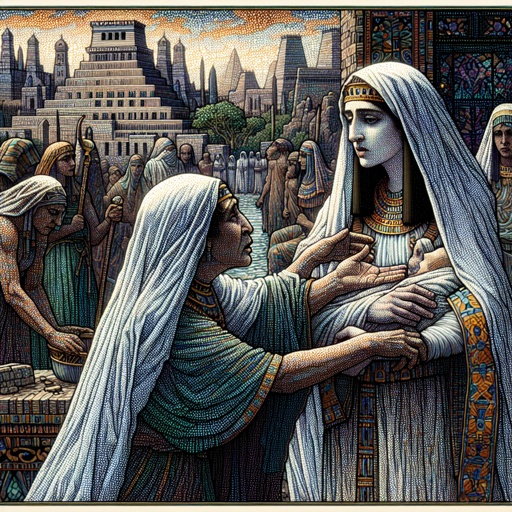
Exodus 2:9

Exodus 2:9

Exodus 20:20 - "And Moses said unto the people, Fear not: for God is come to prove you, and that his fear may be before your faces, that ye sin not."

Exodus 20:3 - "Thou shalt have no other gods before me."

The Plague of Locusts - Exodus 10:1-20

The Plague of Locusts - Exodus 10:1-20

The Plague of Flies - Exodus 8:20-32

The Plague of Locusts - Exodus 10:1-20

The Plague of Locusts - Exodus 10:1-20

The Plague of Locusts - Exodus 10:1-20

The Plague of Flies - Exodus 8:20-32.

The Plague of Locusts - Exodus 10:1-20