What does Exodus 21:10 mean?
"If he take him another wife; her food, her raiment, and her duty of marriage, shall he not diminish." - Exodus 21:10
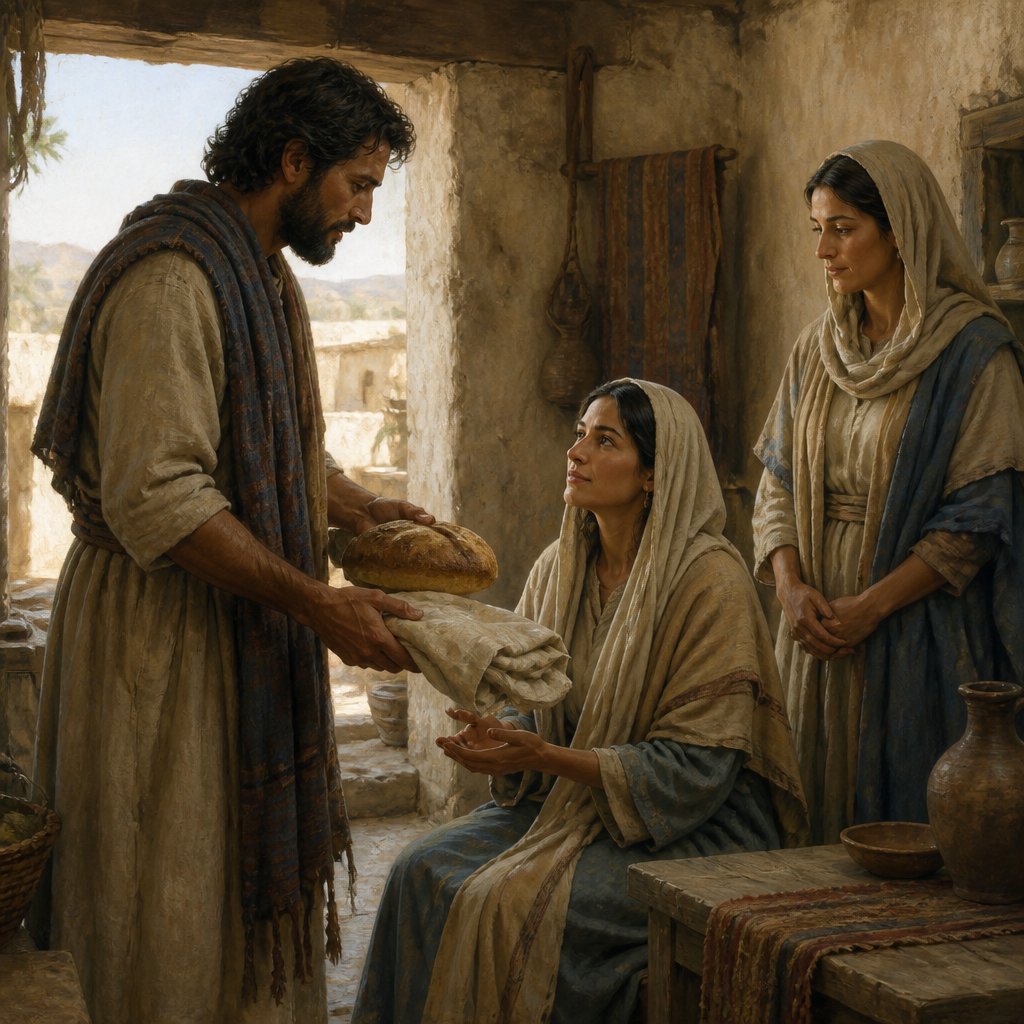
Exodus 21:10 (KJV) states, "If he take him another wife; her food, her raiment, and her duty of marriage, shall he not diminish."
This verse is part of a series of laws given to the Israelites by God through Moses. In this particular verse, the focus is on the treatment of a man's wives. It specifies that if a man takes another wife, he must not diminish the provisions and marital rights of his first wife. This verse reflects the societal norms and expectations of the time, as well as the importance of fair treatment and care within marriage.
The theme of marriage is central to this verse. In ancient Israelite society, marriage was a fundamental institution that carried social, economic, and religious significance. The concept of monogamy was prevalent, and it was expected that a man would provide for and protect his wife. However, polygamy was not uncommon, and it was within this context that this verse served to regulate the treatment of multiple wives.
The verse also addresses the rights and responsibilities of the husband towards his wives. It emphasizes the husband's obligation to provide for the basic needs of his wives, including food and clothing. Additionally, it underscores the importance of fulfilling the duty of marriage, which encompasses physical intimacy and conjugal rights. This provision ensured that the first wife's status and well-being were not compromised when the husband took another wife.
The broader context of this verse is the book of Exodus, which chronicles the Israelites' journey from slavery in Egypt to freedom in the Promised Land. This journey was not only physical but also spiritual and moral. The laws given in Exodus, including the one in this verse, were aimed at establishing a just and orderly society, grounded in the principles of righteousness and compassion.
Symbolically, this verse can be seen as a reflection of God's concern for justice and equity within human relationships, particularly within the institution of marriage. It points to the importance of fairness and consideration for the well-being of others, especially those who may be vulnerable or marginalized. In a broader sense, it underscores the idea of maintaining harmony and balance within the family unit, which is essential for the overall welfare of society.
From a moral standpoint, this verse conveys the principle of mutual respect and care within marriage. It promotes the idea that individuals within a marriage are to be treated with dignity and consideration, regardless of the circumstances. It highlights the sanctity of the marriage bond and the responsibilities that come with it.
In conclusion, Exodus 21:10 (KJV) addresses the treatment of multiple wives within the societal context of ancient Israel. It emphasizes the husband's duty to provide for and maintain the rights of his wives, especially when taking another wife. The verse underscores the themes of marriage, fairness, and compassion, within the broader context of God's laws for the Israelites. Symbolically, it reflects God's concern for justice and equity within human relationships and reinforces the principles of mutual respect and care within marriage. This verse serves as a reminder of the timeless values that underpin healthy and harmonious relationships, highlighting the importance of fairness and concern for others in all aspects of life.
Have questions about Exodus 21:10?
Dive deeper into this scripture with Bible Chat — an AI-powered tool for exploring God's Word through conversation. Ask questions, get context, and grow in your understanding of the Bible.
Get Our Apps


Exodus 21:10 Artwork

Exodus 21:10 - "If he take him another wife; her food, her raiment, and her duty of marriage, shall he not diminish."
"If he take him another wife; her food, her raiment, and her duty of marriage, shall he not diminish." - Exodus 21:10

The Plague of Darkness - Exodus 10:21-29

The Plague of Darkness - Exodus 10:21-29

The Plague of Darkness - Exodus 10:21-29

The Plague of Darkness - Exodus 10:21-29

The Plague of Darkness - Exodus 10:21-29

The Plague of Darkness - Exodus 10:21-29

The Plague of Darkness - Exodus 10:21-29

The Plague of Darkness - Exodus 10:21-29

The Plague of Darkness - Exodus 10:21-29

The Plague of Darkness - Exodus 10:21-29

The Plague of Darkness - Exodus 10:21-29. Dark

Exodus 10:21 - "¶ And the LORD said unto Moses, Stretch out thine hand toward heaven, that there may be darkness over the land of Egypt, even darkness which may be felt."
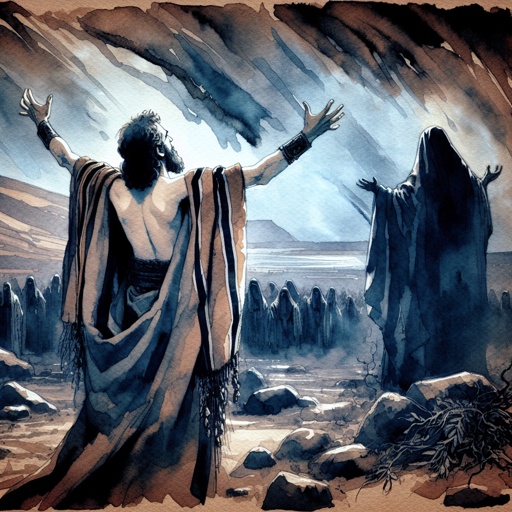
Exodus 10:21 KJV (21) And the LORD said unto Moses, Stretch out thine hand toward heaven, that there may be darkness over the land of Egypt, even darkness which may be felt.
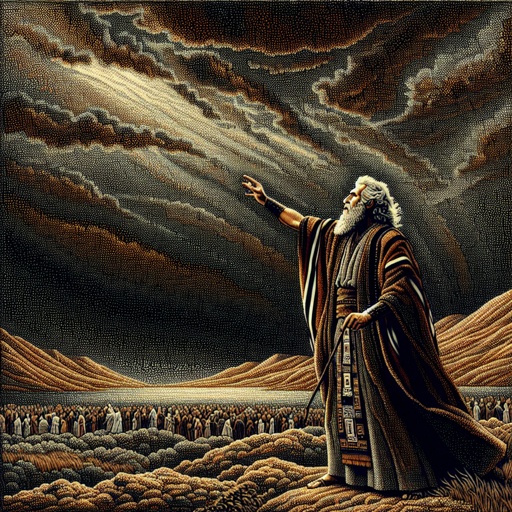
Exodus 10:21 KJV (21) And the LORD said unto Moses, Stretch out thine hand toward heaven, that there may be darkness over the land of Egypt, even darkness which may be felt.

Exodus 14: 21

Exodus 14: 21

Exodus 15:21

Exodus 21:21 - "Notwithstanding, if he continue a day or two, he shall not be punished: for he is his money."

Exodus 27:19-21

Exodus 6:21 - "¶ And the sons of Izhar; Korah, and Nepheg, and Zichri."

Exodus 7:10

Exodus 7:10

Exodus 10:12
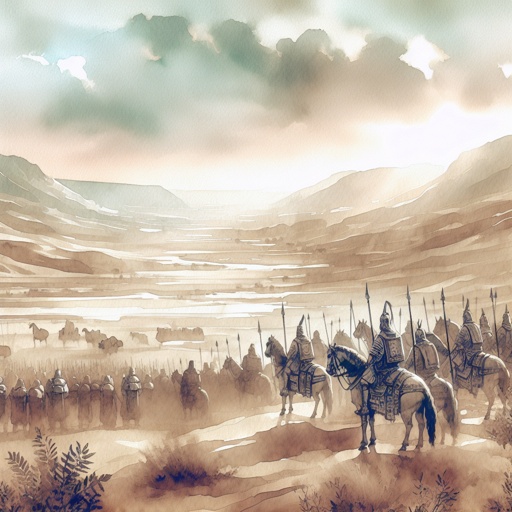
Exodus 17:10

Exodus 10:12

Exodus 10:12

Exodus 21:25 - "Burning for burning, wound for wound, stripe for stripe."

Exodus 21:24 - "Eye for eye, tooth for tooth, hand for hand, foot for foot,"