What does Exodus 21:4 mean?
"If his master have given him a wife, and she have born him sons or daughters; the wife and her children shall be her master’s, and he shall go out by himself." - Exodus 21:4
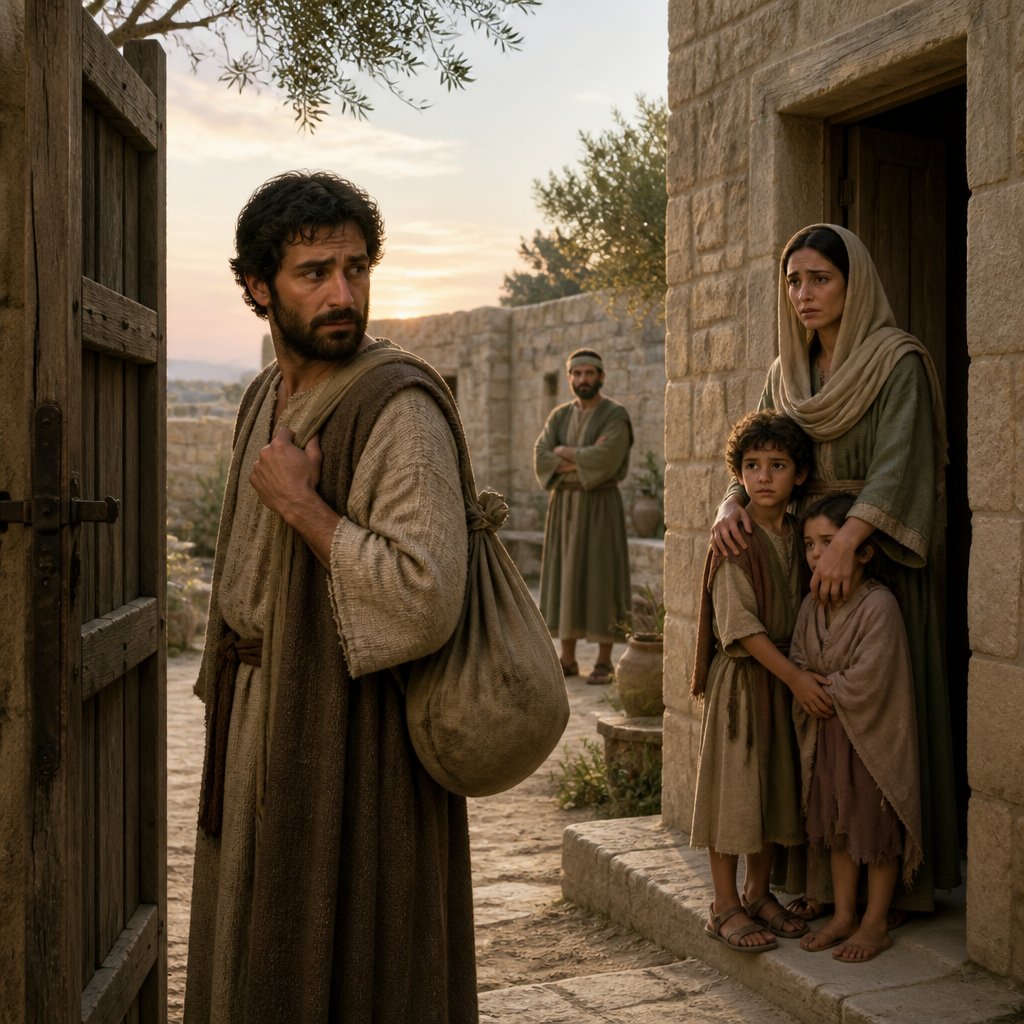
Exodus 21:4 (KJV) states, "If his master have given him a wife, and she have born him sons or daughters; the wife and her children shall be her master's, and he shall go out by himself."
This verse is part of the Old Testament's Book of Exodus, which recounts the story of the Israelites' escape from slavery in Egypt and their journey to the Promised Land. Specifically, this verse is found within a section of Exodus that outlines various laws and regulations meant to govern the Israelite community. In this particular verse, it addresses the treatment of slaves and their families.
The verse describes a scenario in which a male slave is given a wife by his master and they have children together. According to the law, the wife and her children remain the property of the master, and when the slave's term of service is completed, he is to leave without his family. This regulation reflects the institution of slavery that was prevalent in ancient societies, including the Israelites.
One key theme in this verse is the inequality and lack of agency experienced by slaves in the ancient world. The institution of slavery was a harsh and dehumanizing reality for many individuals, and this verse underscores the vulnerability and powerlessness of those who were enslaved. The practice of separating families and controlling the relationships of slaves further reinforces the oppressive and unjust nature of slavery.
Furthermore, this verse provides insight into the social and legal structures of the ancient Israelite society. The laws and regulations outlined in the Book of Exodus reveal the complexities and hierarchies within the Israelite community, as well as the ways in which individuals were categorized and treated based on their social status.
While the specific context of this verse is rooted in the ancient world, it also raises important ethical and moral considerations that are still relevant today. The Bible as a whole contains many passages that address the treatment of marginalized and vulnerable groups, and this verse serves as a reminder of the importance of justice, compassion, and human dignity in all societies.
Additionally, the symbolism in this verse extends beyond its immediate context and speaks to broader themes of power, control, and the intrinsic value of every individual. The image of a slave being separated from his family highlights the profound impact of oppression and the ways in which individuals and communities are affected by systems of injustice.
From a theological perspective, this verse also prompts reflection on the concept of liberation and the call to advocate for the freedom and well-being of those who are oppressed. The story of the Israelites' liberation from slavery in Egypt is a central narrative in the Old Testament, and it serves as a powerful symbol of God's concern for the oppressed and the call to work towards justice and liberation for all people.
In conclusion, Exodus 21:4 offers a thought-provoking glimpse into the complexities of ancient Israelite society and the ways in which individuals were affected by systems of power and oppression. While the specific laws and regulations outlined in this verse may seem out of step with modern sensibilities, it nevertheless provides an opportunity for reflection on the enduring themes of justice, compassion, and human dignity that are central to the biblical tradition. This verse encourages readers to consider the ethical and moral implications of systems of oppression and to work towards a more just and equitable world for all.
Have questions about Exodus 21:4?
Dive deeper into this scripture with Bible Chat — an AI-powered tool for exploring God's Word through conversation. Ask questions, get context, and grow in your understanding of the Bible.
Get Our Apps


Exodus 21:4 Artwork
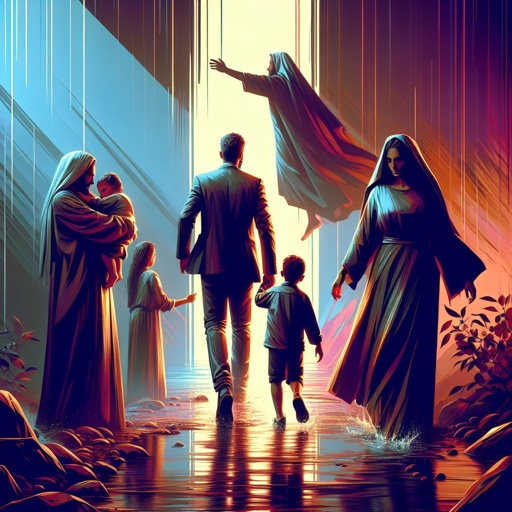
Exodus 21:4 - "If his master have given him a wife, and she have born him sons or daughters; the wife and her children shall be her master's, and he shall go out by himself."
"If his master have given him a wife, and she have born him sons or daughters; the wife and her children shall be her master's, and he shall go out by himself." - Exodus 21:4

Exodus 14: 21

Exodus 14: 21

Exodus 15:21

Exodus 21:21 - "Notwithstanding, if he continue a day or two, he shall not be punished: for he is his money."

Exodus 27:19-21
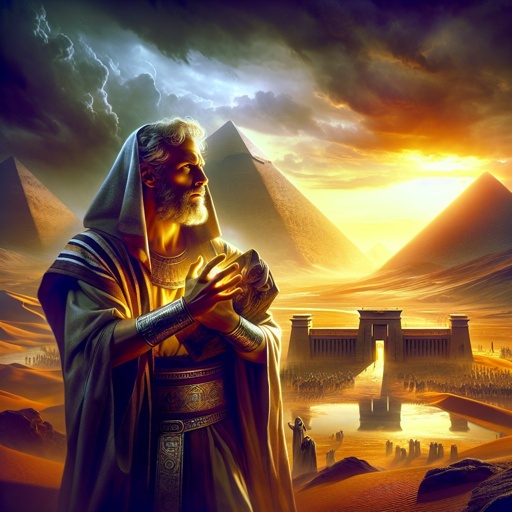
Exodus 4:21 - "And the LORD said unto Moses, When thou goest to return into Egypt, see that thou do all those wonders before Pharaoh, which I have put in thine hand: but I will harden his heart, that he shall not let the people go."

Exodus 6:21 - "¶ And the sons of Izhar; Korah, and Nepheg, and Zichri."

Exodus 21:25 - "Burning for burning, wound for wound, stripe for stripe."

The Plague of Darkness - Exodus 10:21-29

The Plague of Darkness - Exodus 10:21-29

The Plague of Darkness - Exodus 10:21-29

The Plague of Darkness - Exodus 10:21-29

The Plague of Darkness - Exodus 10:21-29

The Plague of Darkness - Exodus 10:21-29

The Plague of Darkness - Exodus 10:21-29

Exodus 21:24 - "Eye for eye, tooth for tooth, hand for hand, foot for foot,"

Exodus 21:1 - "Now these are the judgments which thou shalt set before them."

The Plague of Darkness - Exodus 10:21-29

The Plague of Darkness - Exodus 10:21-29

The Plague of Darkness - Exodus 10:21-29

Exodus 21:23 - "And if any mischief follow, then thou shalt give life for life,"

Exodus 23:4

Exodus 28:4

Exodus 28:4

Exodus 28:4

Exodus 28:4

Exodus 24:4

Exodus 23:4