What does Exodus 21:15 mean?
“And he that smiteth his father, or his mother, shall be surely put to death.” — Exodus 21:15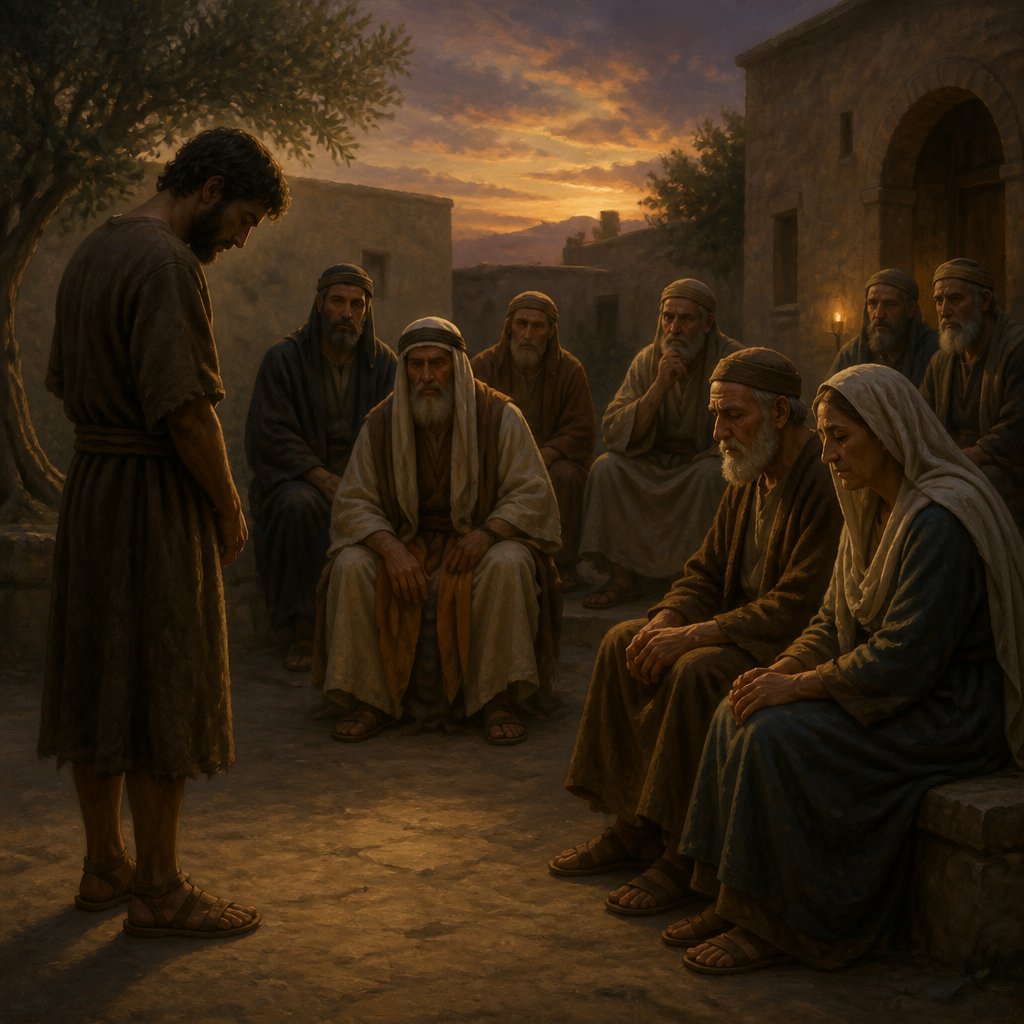
Exodus 21:15 in the King James Version of the Bible states, "And he that smiteth his father, or his mother, shall be surely put to death." This verse is part of the Book of Exodus, which is the second book of the Old Testament, and provides a detailed account of the Israelites' escape from Egypt and their journey to Mount Sinai.
The passage addresses the grave severity of striking one's father or mother. The language is straightforward and unambiguous, emphasizing the seriousness of the offense and the punishment that awaits those who commit such a heinous act. The phrase "shall be surely put to death" highlights the gravity of the crime, indicating that there is no room for leniency or clemency. The consequences for such an act are severe and non-negotiable.
It is important to understand the context in which this verse was written. In ancient times, familial relationships and respect for one's parents were of utmost importance. The Ten Commandments, which had been given to Moses by God, included the commandment to honor one's father and mother. The punishment for striking one's parents was prescribed in order to protect and uphold the sanctity of the family unit. It served as a deterrent against actions that would disrupt the harmony and stability of the family, which was the fundamental building block of society.
This verse also reflects the values and norms of the society at the time. It underscores the significance of parental authority and the role of parents as authority figures in the lives of their children. In ancient Israelite society, as in many traditional societies, parents were highly revered and held in the highest regard. The act of striking one's parents was seen as a direct attack on the familial and societal order, and it was met with the harshest punishment.
Furthermore, this verse can be seen as a reflection of the divine command to honor one's parents. The principle of honoring and respecting one's parents is a recurring theme in the Old Testament. It is seen as a moral and religious obligation, with far-reaching implications for an individual's relationship with God and with others. By emphasizing the gravity of striking one's parents, this verse underscores the divine mandate to honor and obey one's parents.
In addition to its literal meaning and historical context, this verse can also be interpreted symbolically. The act of striking one's parents can be seen as a metaphor for rebellion and disobedience, not only towards one's earthly parents but also towards God. It symbolizes a breakdown in the relationship between authority figures and those under their care. By addressing this act with such severity, the verse emphasizes the importance of maintaining respect and obedience towards both earthly and divine authority.
In conclusion, Exodus 21:15 carries profound implications for both ancient Israelite society and contemporary readers. It reflects the values and norms of the time, highlighting the importance of parental authority and the command to honor one's parents. It also serves as a reminder of the consequences of disobedience and rebellion, both in the familial and spiritual sense. Ultimately, this verse underscores the significance of maintaining respect and obedience towards authority, both in the earthly and divine realms.
Get our apps


Artwork for Exodus 21:15

Exodus 21:15 - "¶ And he that smiteth his father, or his mother, shall be surely put to death."

"¶ And he that smiteth his father, or his mother, shall be surely put to death." - Exodus 21:15

Exodus 15:21

Exodus 15:21 - "And Miriam answered them, Sing ye to the LORD, for he hath triumphed gloriously; the horse and his rider hath he thrown into the sea."

Exodus 15:20-21 - "Then Miriam the prophet, Aaron’s sister, took a tambourine and led all the women as they played their tambourines and danced. And Miriam sang this song: “Sing to the Lord, for he has triumphed gloriously; he has hurled both horse and rider into the sea.”"

Exodus 14: 21

exodus 15

Exodus 14: 21

Exodus 21:21 - "Notwithstanding, if he continue a day or two, he shall not be punished: for he is his money."

Exodus 15:22

Exodus 15:23

Exodus 15:5
Exodus 15:23

Exodus 27:19-21

Exodus 6:21 - "¶ And the sons of Izhar; Korah, and Nepheg, and Zichri."

Exodus 20:15 - "Thou shalt not steal."

"And Miriam answered them, Sing ye to the LORD, for he hath triumphed gloriously; the horse and his rider hath he thrown into the sea." - Exodus 15:21

Exodus 28:15-30

Exodus 8:1-15

Luke 15:21

Luke 15:21

Genesis 15:21

Genesis 21-15

(Exo 15:20) And Miriam the prophetess, the sister of Aaron, took a timbrel in her hand; and all the women went out after her with timbrels and with dances. (Exo 15:21) And Miriam answered them, Sing ye to the LORD, for he hath triumphed gloriously; the horse and his rider hath he thrown into the sea.

Exodus 21:25 - "Burning for burning, wound for wound, stripe for stripe."

The Plague of Darkness - Exodus 10:21-29

The Plague of Darkness - Exodus 10:21-29

The Plague of Darkness - Exodus 10:21-29

The Plague of Darkness - Exodus 10:21-29

The Plague of Darkness - Exodus 10:21-29