What does Exodus 22:14 mean?
“And if a man borrow ought of his neighbour, and it be hurt, or die, the owner thereof being not with it, he shall surely make it good.” — Exodus 22:14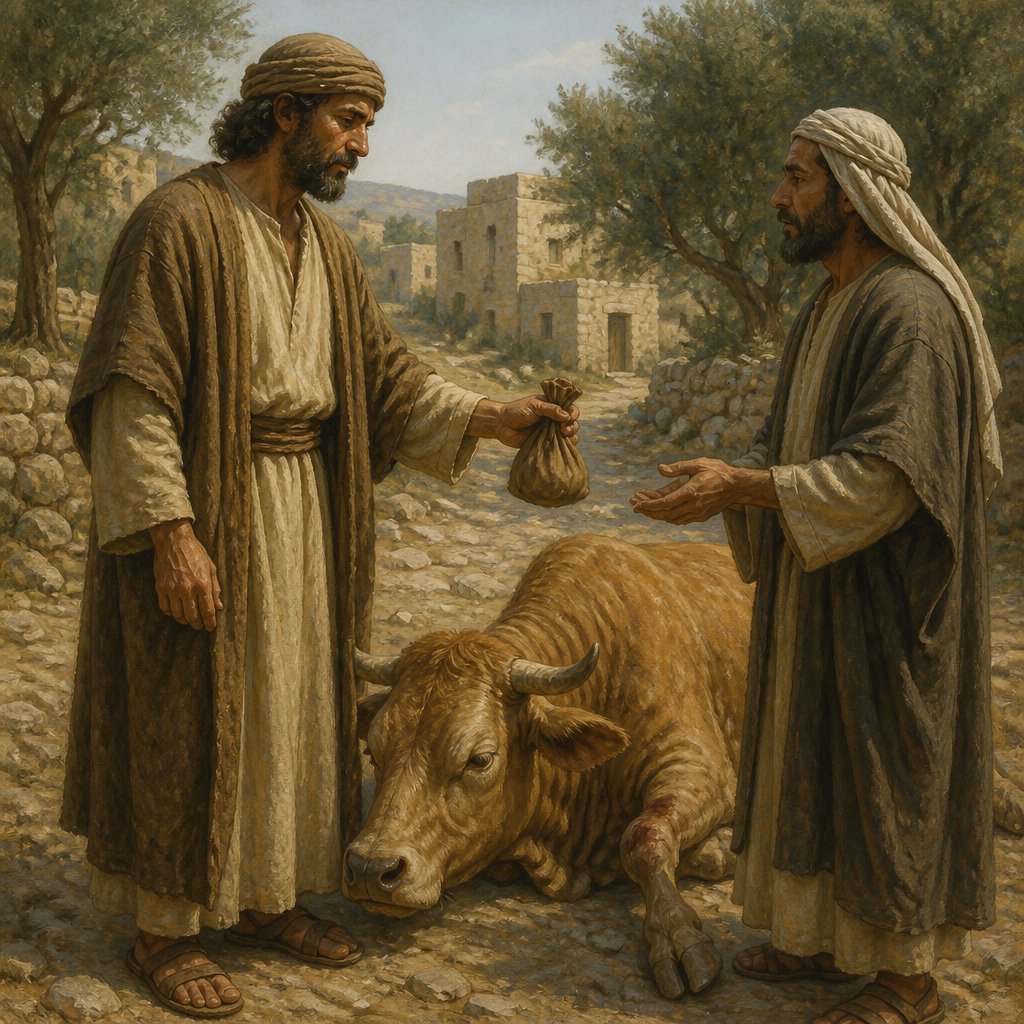
Exodus 22:14 in the King James Version of the Bible states, "And if a man borrow ought of his neighbour, and it be hurt, or die, the owner thereof being not with it, he shall surely make it good." This verse is found in the Book of Exodus, which is the second book of the Bible and is part of the Pentateuch, traditionally ascribed to Moses. The Book of Exodus is centered around the story of the Israelites' escape from slavery in Egypt and their journey to the promised land.
This particular verse comes from a series of laws and regulations given to the Israelites by God through Moses. These laws were to govern their behavior and interactions with one another, as well as their relationship with God. The verse deals with the issue of borrowing and responsibility for borrowed items, emphasizing the importance of taking care of what belongs to others.
The theme of personal responsibility is central to the message of Exodus 22:14. In the context of ancient Israelite society, where communal living and mutual support were essential, the proper handling of borrowed items was crucial. This verse highlights the importance of treating others' possessions with care and respect. It also emphasizes the need for individuals to take responsibility for their actions, even when using something that belongs to someone else.
The verse begins with the scenario of a man borrowing something from his neighbor. The term "ought" here refers to anything of value, whether it be an animal, tool, or other possessions. If the borrowed item is harmed or dies while in the borrower's care, and the owner is not present at the time, the borrower is held responsible for the damage. The verse then concludes by stating that the borrower must "surely make it good," meaning that he must compensate the owner for the loss or damage incurred.
This law serves as a reminder to the Israelites to act with integrity and honesty in all their dealings, including their interactions with their neighbors. It also promotes the idea of accountability and taking responsibility for one's actions, even when something goes wrong unintentionally. This principle of making restitution for harm caused reflects the broader biblical concept of justice and fairness in human relationships.
Furthermore, the verse encourages a sense of communal welfare and responsibility within the Israelite community. By holding individuals accountable for the safekeeping of borrowed items, this law promotes a culture of trust and mutual respect among neighbors. It also serves to prevent potential disputes and conflicts that may arise from negligence or dishonesty in handling borrowed possessions.
Symbolically, this verse can also be seen as a reflection of God's expectations for His people to show love and consideration for others. The act of borrowing and returning an item in the same condition demonstrates care and concern for the well-being of one's neighbors. This aligns with the broader biblical principles of loving one's neighbor as oneself and treating others with kindness and respect.
In summary, Exodus 22:14 conveys a message of personal responsibility, integrity, and communal welfare within the context of ancient Israelite society. It highlights the importance of treating others' possessions with care and emphasizes the need for individuals to take responsibility for their actions. Ultimately, this verse serves as a reminder of the biblical principles of justice, fairness, and love for one's neighbor.
Get our apps


Artwork for Exodus 22:14

Exodus 22:14 - "¶ And if a man borrow ought of his neighbour, and it be hurt, or die, the owner thereof being not with it, he shall surely make it good."
"¶ And if a man borrow ought of his neighbour, and it be hurt, or die, the owner thereof being not with it, he shall surely make it good." - Exodus 22:14

Exodus 14:22 - "And the children of Israel went into the midst of the sea upon the dry ground: and the waters were a wall unto them on their right hand, and on their left."
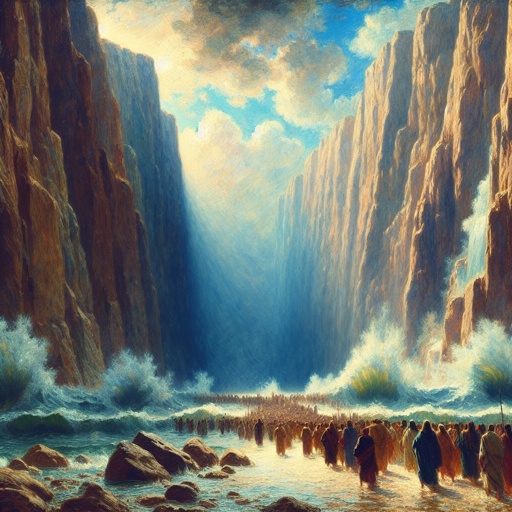
Exodus 14:22 KJV (22) And the children of Israel went into the midst of the sea upon the dry ground: and the waters were a wall unto them on their right hand, and on their left.
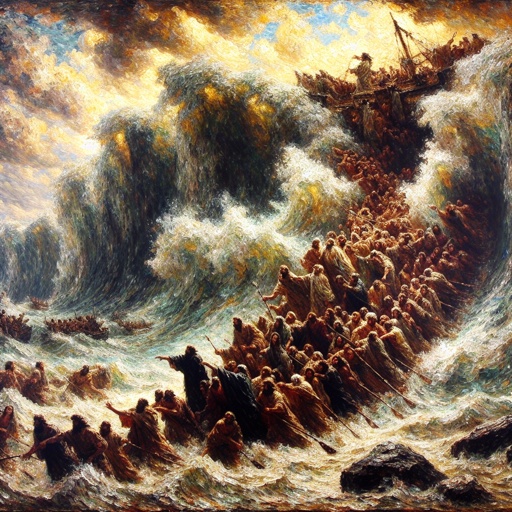
Exodus 14:22 KJV (22) And the children of Israel went into the midst of the sea upon the dry ground: and the waters were a wall unto them on their right hand, and on their left.

Exodus 14:22 KJV (22) And the children of Israel went into the midst of the sea upon the dry ground: and the waters were a wall unto them on their right hand, and on their left.
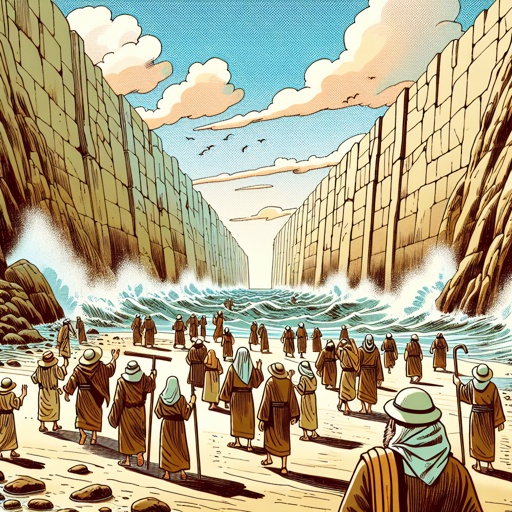
Exodus 14:22 KJV (22) And the children of Israel went into the midst of the sea upon the dry ground: and the waters were a wall unto them on their right hand, and on their left.
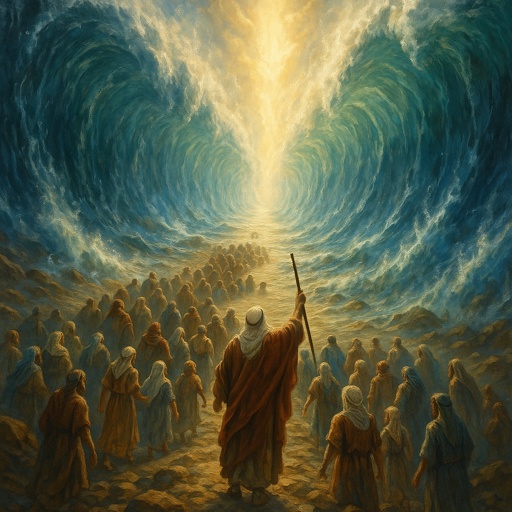
"And Moses stretched out his hand over the sea; and the LORD caused the sea to go back by a strong east wind all that night, and made the sea dry land, and the waters were divided. And the children of Israel went into the midst of the sea upon the dry ground: and the waters were a wall unto them on their right hand, and on their left." - Exodus 14:21-22

Exodus 22:22 - "¶ Ye shall not afflict any widow, or fatherless child."

Exodus 22:28

Exodus 15:22

Exodus 22:28

Exodus 22:28

Exodus 22:28

Exodus 22:28

Exodus 22:28

Exodus 22:28

Exodus 22:28

Exodus 22:28

Exodus 22:5

Exodus 22:5

Exodus 22:28

Exodus 22:28

Exodus 22:28

Exodus 22:28

Exodus 22:28

Exodus 22:5

Exodus 14

Exodus 25:10-22
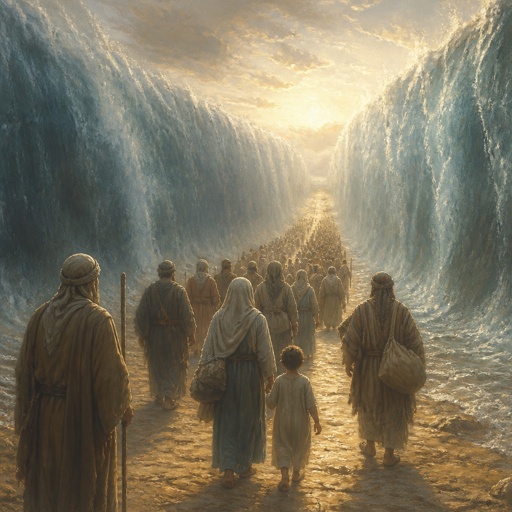
"And the children of Israel went into the midst of the sea upon the dry ground: and the waters were a wall unto them on their right hand, and on their left." - Exodus 14:22