What does Exodus 22:23 mean?
“If thou afflict them in any wise, and they cry at all unto me, I will surely hear their cry;” — Exodus 22:23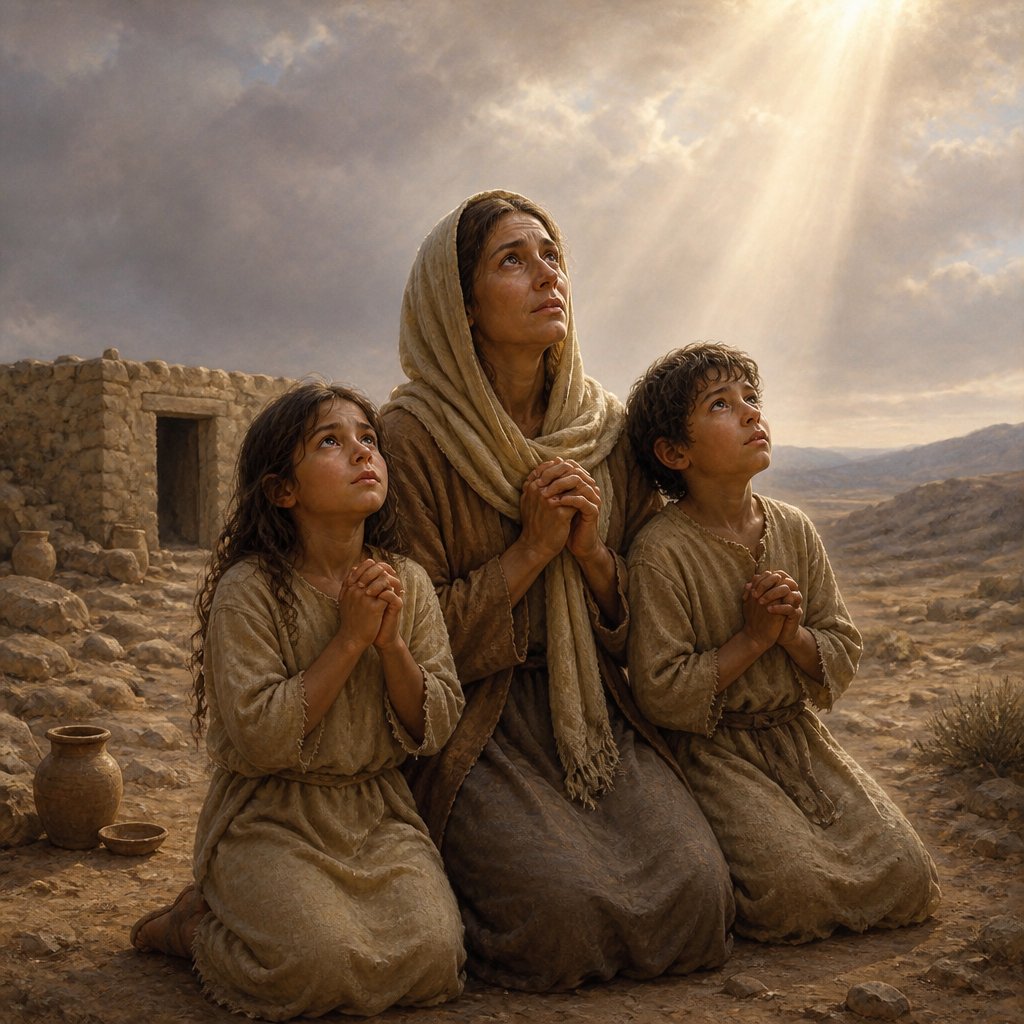
Exodus 22:23 in the King James Version of the Bible states, "If thou afflict them in any wise, and they cry at all unto me, I will surely hear their cry". This verse is part of the laws given to the people of Israel by God, which were meant to govern their interactions with one another and to establish a just and compassionate society. In this particular verse, God is commanding the people to treat the vulnerable members of society, such as widows and orphans, with kindness and fairness.
The theme of caring for the vulnerable is central to this verse and is a recurring theme throughout the Bible. In many other verses, God commands his people to care for the poor, the marginalized, and those in need. This reflects God's character as a compassionate and just ruler who cares for the welfare of all people, especially those who are often overlooked or mistreated by society.
The context of this verse is important to understanding its meaning. The Israelites had just been freed from slavery in Egypt and were beginning to establish themselves as a new nation. As they did so, God gave them laws that would set them apart from the other nations and govern their interactions with one another. These laws were meant to reflect God's character and to ensure that the Israelites would be a just and compassionate society.
The symbolism in this verse is also significant. The affliction of the vulnerable represents the oppression and mistreatment that they often faced in ancient societies. By commanding the Israelites to hear the cries of the afflicted, God is calling them to act as his representatives on earth, showing compassion and justice to those in need.
Overall, Exodus 22:23 is a powerful reminder of God's concern for the vulnerable and his expectation that his people will reflect his compassion and justice in their interactions with others. This verse challenges us to consider how we treat those who are often overlooked or mistreated in our society and to strive to be agents of God's love and justice in the world. It also serves as a reminder of the importance of advocating for the rights and welfare of the vulnerable, as we are called to be God's hands and feet in the world.
Get our apps


Artwork for Exodus 22:23

Exodus 22:23 - "If thou afflict them in any wise, and they cry at all unto me, I will surely hear their cry;"
"If thou afflict them in any wise, and they cry at all unto me, I will surely hear their cry;" - Exodus 22:23

Acts 2:2-3

Acts 2:2-3

Exodus 23:22 - "But if thou shalt indeed obey his voice, and do all that I speak; then I will be an enemy unto thine enemies, and an adversary unto thine adversaries."
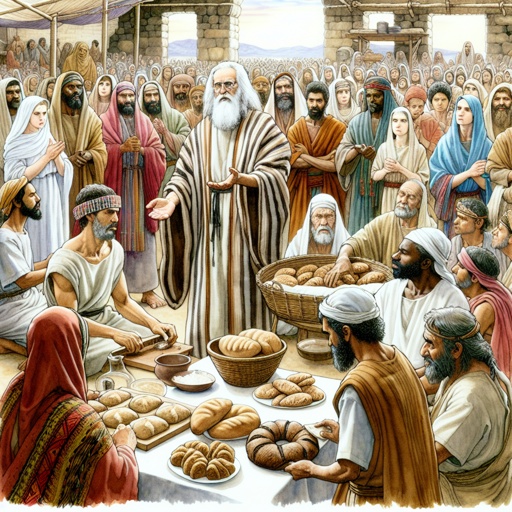
Exodus 16:22-23 (22) And it came to pass, that on the sixth day they gathered twice as much bread, two omers for one man: and all the rulers of the congregation came and told Moses. (23) And he said unto them, This is that which the LORD hath said, To morrow is the rest of the holy sabbath unto the LORD: bake that which ye will bake to day, and seethe that ye will seethe; and that which remaineth over lay up for you to be kept until the morning.

Exodus 23:20

Exodus 23:4

Exodus 23:28

Exodus 15:23

Exodus 22:22 - "¶ Ye shall not afflict any widow, or fatherless child."

Exodus 15:23

Exodus 23:4

Exodus 23:28

"God brought them out of Egypt; he hath as it were the strength of an unicorn." - Numbers 23:22

Exodus 22:28

Exodus 15:22

Exodus 22:28

Exodus 22:28

Exodus 22:28

Exodus 22:28

Exodus 22:28

Exodus 22:28

Exodus 22:28

Exodus 22:28

Exodus 22:5

Exodus 22:5

Exodus 22:28

Exodus 22:28

Exodus 22:28