What does Exodus 22:25 mean?
"If thou lend money to any of my people that is poor by thee, thou shalt not be to him as an usurer, neither shalt thou lay upon him usury." - Exodus 22:25
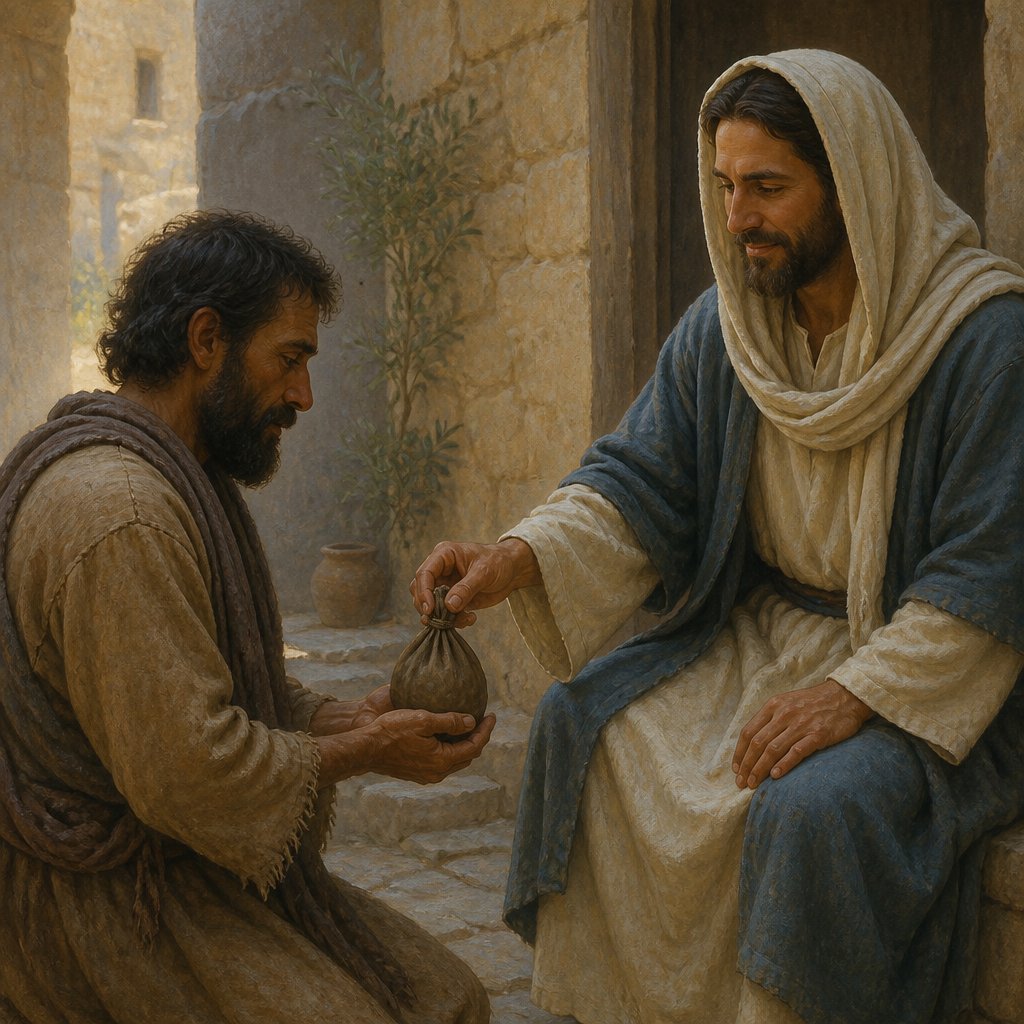
Exodus 22:25 in the King James Version (KJV) of the Bible states, "If thou lend money to any of my people that is poor by thee, thou shalt not be to him as an usurer, neither shalt thou lay upon him usury." This verse is a part of the laws and regulations that were given to the Israelites by God through Moses. The verse addresses the treatment of the poor in society, specifically in relation to borrowing and lending money.
To understand the significance of this verse, it is important to consider the historical and cultural context in which it was given. The Israelites had recently been freed from slavery in Egypt and were in the process of forming a new society based on God's laws. In this context, the verse reflects God's concern for the well-being of the vulnerable members of society, particularly the poor.
The theme of social justice and compassion for the less fortunate is central to this verse. The Israelites were instructed to lend money to the poor among them without charging any interest. This was a radical departure from the prevailing practices of the ancient Near East, where the wealthy often took advantage of the poor by charging exorbitant interest rates on loans. By prohibiting usury and requiring fair treatment of the poor, God was emphasizing the importance of economic justice and compassion within the community.
The prohibition against usury in this verse also has broader implications for ethical behavior and financial stewardship. It reflects God's desire for His people to act with integrity and fairness in their financial dealings. The Israelites were expected to prioritize the well-being of others over their own financial gain, demonstrating a commitment to justice and righteousness in all aspects of their lives.
Furthermore, the verse serves as a reminder of God's concern for the poor and marginalized in society. Throughout the Bible, there is a consistent emphasis on caring for the less fortunate and seeking justice on their behalf. This verse aligns with other passages that emphasize the importance of compassion, generosity, and fair treatment of the poor, such as Leviticus 25:35-37 and Deuteronomy 15:7-8. It establishes a moral imperative for God's people to actively care for those in need and work towards a more just and equitable society.
Symbolically, the prohibition against usury can also be interpreted as a reflection of God's character. By instructing His people to refrain from exploiting the poor through oppressive lending practices, God reveals His character as a compassionate and just God. It also underscores the importance of reflecting God's character in our own interactions with others, particularly in the realm of finance and economics.
In conclusion, Exodus 22:25 in the King James Version of the Bible carries a profound message about economic justice, compassion for the poor, and ethical behavior. It reflects God's concern for the well-being of the vulnerable members of society and calls His people to act with integrity and fairness in their financial dealings. The verse emphasizes the importance of prioritizing the needs of others over personal gain and underscores the broader theme of justice and compassion that runs throughout the Bible. It serves as a timeless reminder of God's desire for His people to reflect His character in their interactions with others and to work towards a more just and equitable society.
Have questions about Exodus 22:25?
Dive deeper into this scripture with Bible Chat — an AI-powered tool for exploring God's Word through conversation. Ask questions, get context, and grow in your understanding of the Bible.
Get Our Apps


Exodus 22:25 Artwork

Exodus 22:25 - "¶ If thou lend money to any of my people that is poor by thee, thou shalt not be to him as an usurer, neither shalt thou lay upon him usury."
"¶ If thou lend money to any of my people that is poor by thee, thou shalt not be to him as an usurer, neither shalt thou lay upon him usury." - Exodus 22:25

Exodus 25:10-22

Exodus 25:22 - "And there I will meet with thee, and I will commune with thee from above the mercy seat, from between the two cherubims which are upon the ark of the testimony, of all things which I will give thee in commandment unto the children of Israel."

Exodus 25:16

Exodus 25:31

Exodus 25:8

Exodus 25:16

Exodus 25:16

Exodus 22:22 - "¶ Ye shall not afflict any widow, or fatherless child."

Genesis 25:22

Exodus 22:28

Exodus 15:22

Exodus 22:28

Exodus 22:28

Exodus 22:28

Exodus 22:28

Exodus 22:28

Exodus 22:28

Exodus 22:28

Exodus 22:28

Exodus 22:5

Exodus 22:5

Exodus 22:28

Exodus 22:28

Exodus 22:28

Exodus 22:28

Exodus 22:28

Exodus 22:5

Exodus 25:1 - "And the LORD spake unto Moses, saying,"