What does Exodus 22:7 mean?
"¶ If a man shall deliver unto his neighbour money or stuff to keep, and it be stolen out of the man's house; if the thief be found, let him pay double." - Exodus 22:7
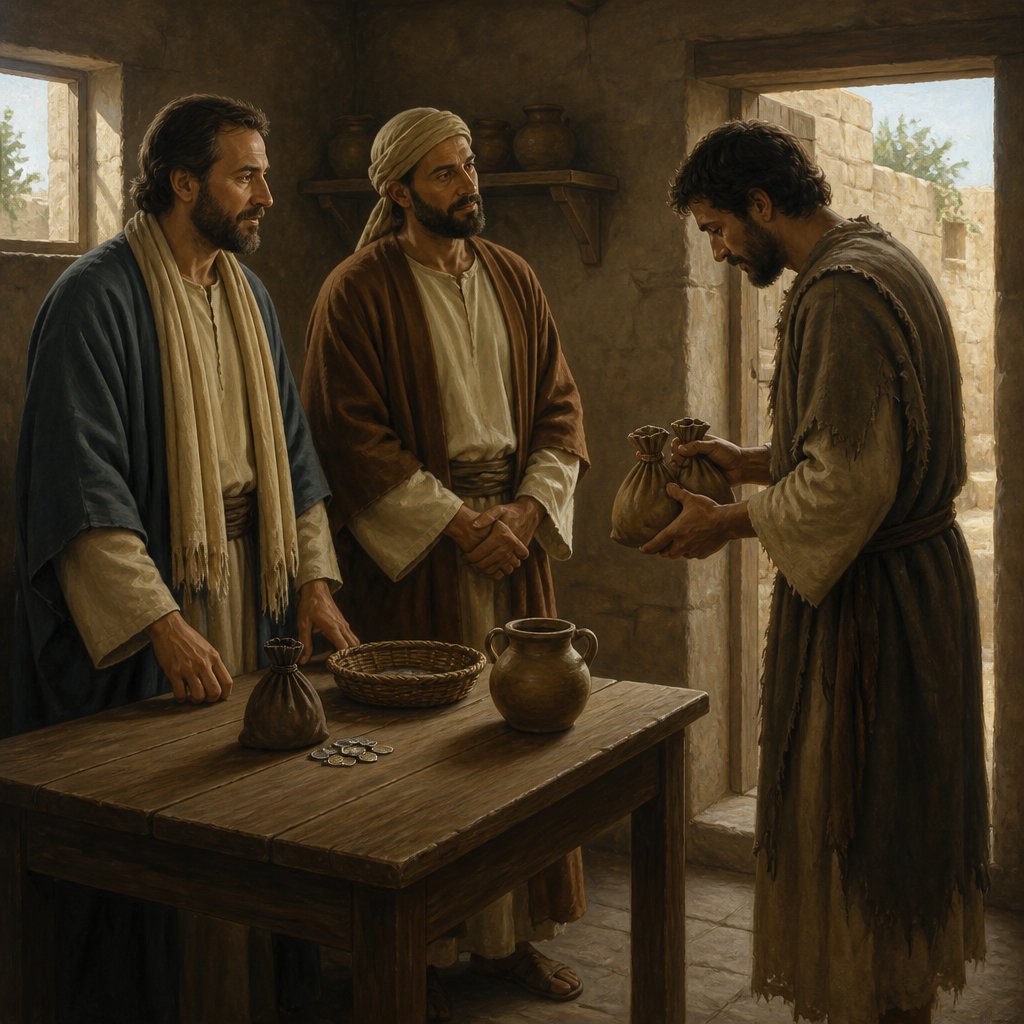
Exodus 22:7 in the King James Version of the Bible states, "If a man shall deliver unto his neighbour money or stuff to keep, and it be stolen out of the man's house; if the thief be found, let him pay double."
In this verse, we see a specific law related to theft and stewardship. The Israelites were given various commands and laws for living in community and for maintaining justice and righteousness in their society. This particular verse addresses the issue of someone entrusting their neighbor with money or property to keep safe, and that money or property being stolen from the neighbor's house. The verse then prescribes a punishment for the thief if they are found, requiring them to pay back double the value of what was stolen.
First and foremost, Exodus 22:7 emphasizes the importance of trust and responsibility in relationships. In ancient times, as well as today, it was common for individuals to entrust their belongings to their neighbors or friends for safekeeping. This verse stresses the need for integrity and reliability in fulfilling such responsibilities. The consequence for failing to protect the entrusted goods is severe, as the thief is required to pay double the amount stolen. This serves as a deterrent for stealing and reinforces the sanctity of property rights and personal responsibility.
Furthermore, the verse also highlights the principle of restitution. The concept of restitution is a recurring theme in the Bible, emphasizing the idea of making amends for wrongs committed. In this case, the thief is required to not only return what was stolen but to also compensate the victim with double the value. This principle promotes accountability and seeks to restore the victim to their previous state, to the best extent possible.
The verse also provides insight into the justice system of ancient Israel. Rather than relying solely on punitive measures, the law prescribed restitution as a means of addressing wrongs committed. This approach sought to not only punish the guilty party but also to provide compensation to the victim. It reflects a desire for fairness and equity in dealing with transgressions within the community.
In a broader context, Exodus 22:7 is part of a larger section of the book of Exodus that contains various laws and ordinances given by God to Moses for the Israelites. These laws cover a wide range of topics, including social justice, moral conduct, and religious observance. The overarching theme in this section is the establishment of a just and orderly society, one that reflects the character and values of God. The laws given are meant to guide the Israelites in their relationships with one another and with God, promoting righteousness, fairness, and compassion.
Symbolically, the requirement for the thief to pay double serves as a reminder of the gravity of theft and the importance of upholding the rights of others. It symbolizes the high value placed on integrity, trustworthiness, and the sanctity of personal property. Moreover, it also points to the divine standard of justice and the expectation of accountability before God.
In conclusion, Exodus 22:7 provides valuable insights into the principles of trust, responsibility, restitution, and justice within the context of ancient Israel. The verse emphasizes the importance of integrity and reliability in interpersonal relationships, the need for accountability and compensation in addressing wrongs committed, and the promotion of a just and equitable society. These principles have timeless relevance and can guide individuals and communities in their conduct and interactions with others.
Have questions about Exodus 22:7?
Dive deeper into this scripture with Bible Chat — an AI-powered tool for exploring God's Word through conversation. Ask questions, get context, and grow in your understanding of the Bible.
Get Our Apps


Exodus 22:7 Artwork
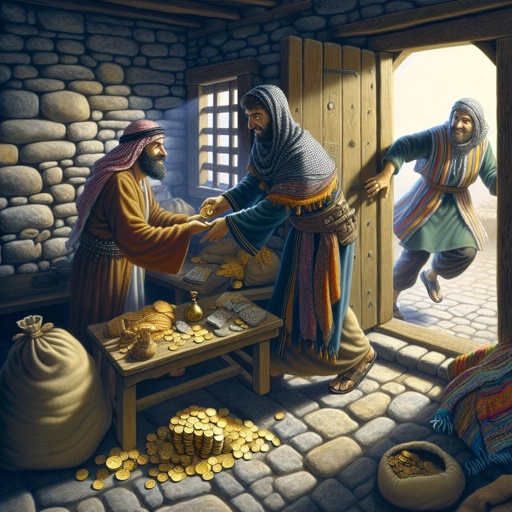
Exodus 22:7 - "¶ If a man shall deliver unto his neighbour money or stuff to keep, and it be stolen out of the man's house; if the thief be found, let him pay double."
"¶ If a man shall deliver unto his neighbour money or stuff to keep, and it be stolen out of the man's house; if the thief be found, let him pay double." - Exodus 22:7

Exodus 7:22 - "And the magicians of Egypt did so with their enchantments: and Pharaoh's heart was hardened, neither did he hearken unto them; as the LORD had said."

Exodus 22:22 - "¶ Ye shall not afflict any widow, or fatherless child."

Exodus 22:28

Exodus 15:22

Exodus 22:28

Exodus 22:28

Exodus 22:28

Exodus 22:28

Exodus 22:28

Exodus 22:28

Exodus 22:28

Exodus 22:28

Exodus 22:5

Exodus 22:5

Exodus 22:28

Exodus 22:28

Exodus 22:28

Exodus 22:28

Exodus 22:28

Exodus 22:5

Exodus 25:10-22

Exodus 6:22 - "And the sons of Uzziel; Mishael, and Elzaphan, and Zithri."

Exodus 22:18 - "¶ Thou shalt not suffer a witch to live."

Exodus 30:22 - "¶ Moreover the LORD spake unto Moses, saying,"

Exodus 22:19 - "¶ Whosoever lieth with a beast shall surely be put to death."

"¶ Ye shall not afflict any widow, or fatherless child." - Exodus 22:22

Exodus 7:10

Exodus 7:10