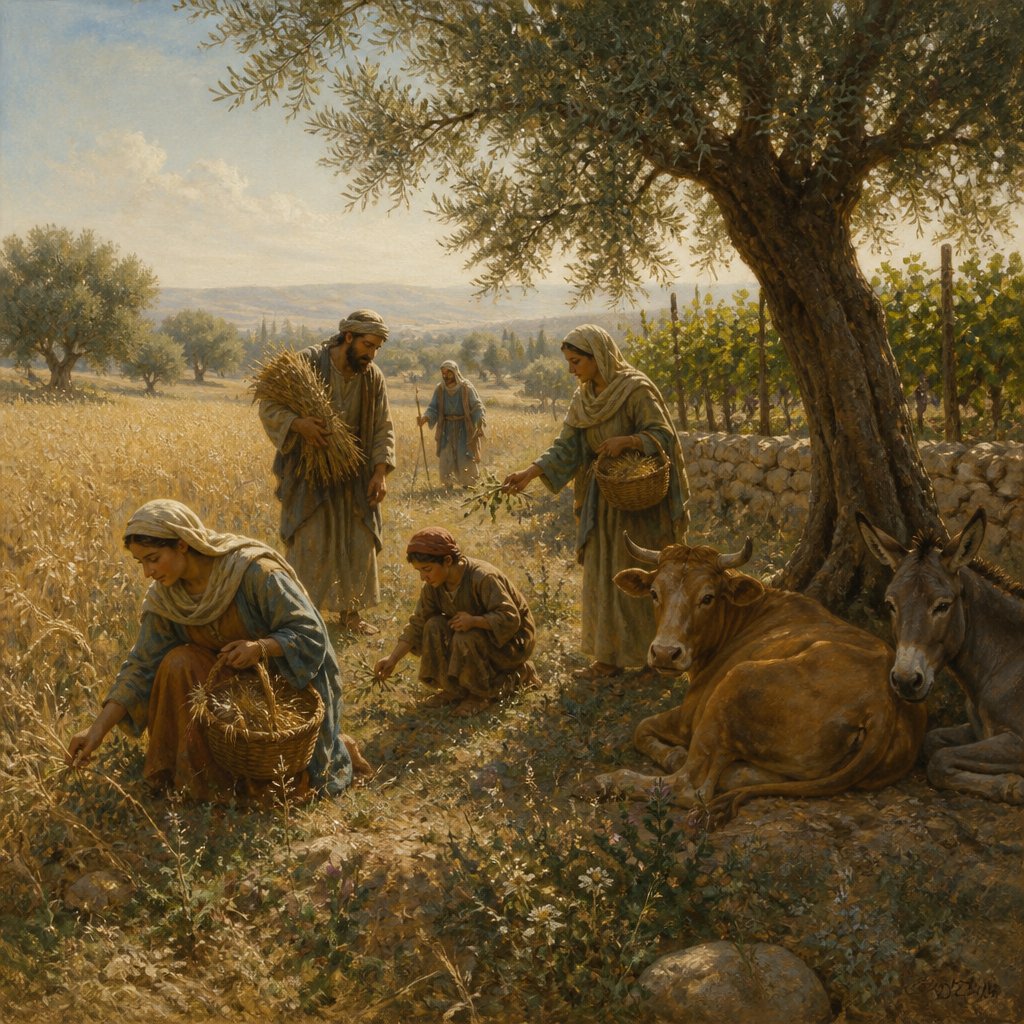
Exodus 23:10-12 in the King James Version of the Bible reads, "And six years thou shalt sow thy land, and shalt gather in the fruits thereof: But the seventh year thou shalt let it rest and lie still; that the poor of thy people may eat: and what they leave the beasts of the field shall eat. In like manner thou shalt deal with thy vineyard, and with thy oliveyard. Six days thou shalt do thy work, and on the seventh day thou shalt rest: that thine ox and thine ass may rest, and the son of thy handmaid, and the stranger, may be refreshed."
This passage forms part of the laws and regulations that God communicated to the Israelites through Moses. It outlines the concept of the Sabbath year and the Sabbath day, emphasizing the importance of rest and provisions for the poor and disadvantaged.
The theme of rest is fundamental in this passage. God institutes a rhythm of work and rest for the land and for the people. The command to let the land lie fallow every seventh year serves multiple purposes: it allows the land to rejuvenate and regain its fertility, it prevents overworking and depleting the soil, and it provides for the needs of the poor and the wild animals. Similarly, the command to observe a day of rest each week allows for physical and spiritual rejuvenation. It is a reminder that our value is not solely determined by our productivity, but also by our capacity to find rest and restoration.
Another major theme in this passage is the concern for the marginalized and the vulnerable. The Sabbath year, with its provision for the poor to freely glean from the land, demonstrates God's care for those who are in need. This principle of caring for the less fortunate is echoed in other parts of the Bible, affirming God's heart for justice and compassion. It emphasizes the importance of generosity, sharing, and social responsibility within the community.
Additionally, the passage emphasizes the interconnectedness of humanity, animals, and the land. It recognizes that the well-being of humans is linked to the well-being of the earth and its creatures. God's concern for the rest and refreshment of even the animals reflects a broader ethical stance of respect for creation and all living beings.
The context of this passage is important for understanding its significance. It comes in the midst of a collection of laws aimed at establishing a just and harmonious society. The Israelites were just emerging from slavery in Egypt, and God was establishing them as a distinct community with a different value system. These laws were meant to shape their identity and behavior as a covenant people, reflecting the character and priorities of God.
There is also a deeper spiritual symbolism in this passage. The Sabbath year and the Sabbath day can be seen as pointing towards the concept of salvation. The Sabbath rest is a reminder of God's rest after the completion of creation, and it foreshadows the ultimate rest and restoration that believers find in Christ. Jesus invites all who are weary and burdened to come to him for rest (Matthew 11:28), and he is the fulfillment of the Sabbath rest (Hebrews 4:9-10).
In conclusion, Exodus 23:10-12 captures profound principles of rest, generosity, justice, and interconnectedness that continue to be relevant for individuals, societies, and the world at large. It offers a vision of a holistic and ethical way of living, grounded in the character of God and reflective of His intentions for creation. The Sabbath year and the Sabbath day serve as physical reminders of spiritual truths and principles that continue to shape the lives of believers today.
Get our apps


Artwork for Exodus 23:10-12

Exodus 23:10-12 - "For six years you may sow your land and gather in its produce. But during the seventh year you shall let it rest and lie fallow, so that the poor of your people may eat of it and the beasts of the field may eat. You are to do the same with your vineyard and your olive grove. Six days you are to do your work, but on the seventh day you must cease, so that your ox and your donkey may rest, and the son of your maidservant, as well as the foreign resident, may refresh themselves."
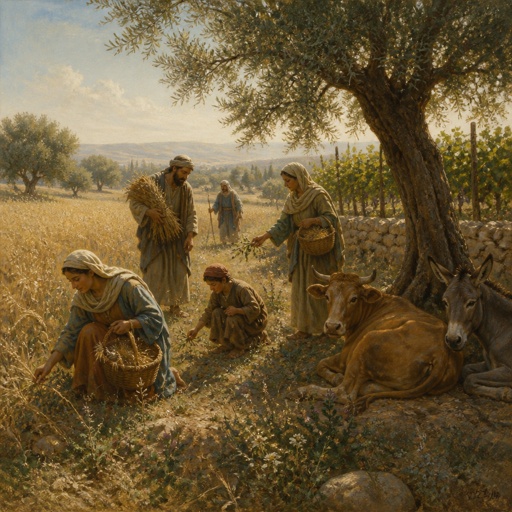
"For six years you may sow your land and gather in its produce. But during the seventh year you shall let it rest and lie fallow, so that the poor of your people may eat of it and the beasts of the field may eat. You are to do the same with your vineyard and your olive grove. Six days you are to do your work, but on the seventh day you must cease, so that your ox and your donkey may rest, and the son of your maidservant, as well as the foreign resident, may refresh themselves." - Exodus 23:10-12

Exodus 10:12

Exodus 10:12

Exodus 10:12

Exodus 23:10 - "And six years thou shalt sow thy land, and shalt gather in the fruits thereof:"

Genesis 1:2 3

Exodus 10:23 - "They saw not one another, neither rose any from his place for three days: but all the children of Israel had light in their dwellings."

Exodus 12:10 - "And ye shall let nothing of it remain until the morning; and that which remaineth of it until the morning ye shall burn with fire."
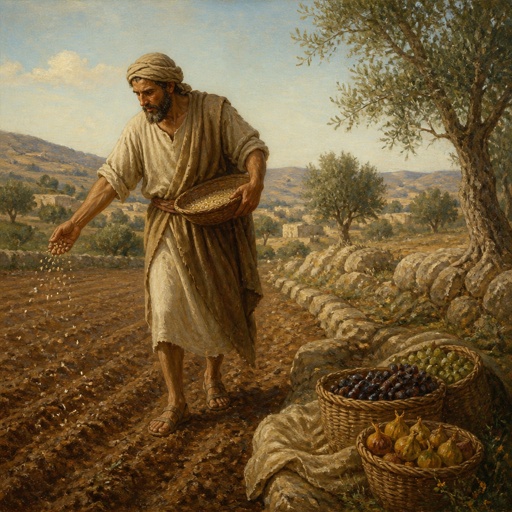
"And six years thou shalt sow thy land, and shalt gather in the fruits thereof:" - Exodus 23:10
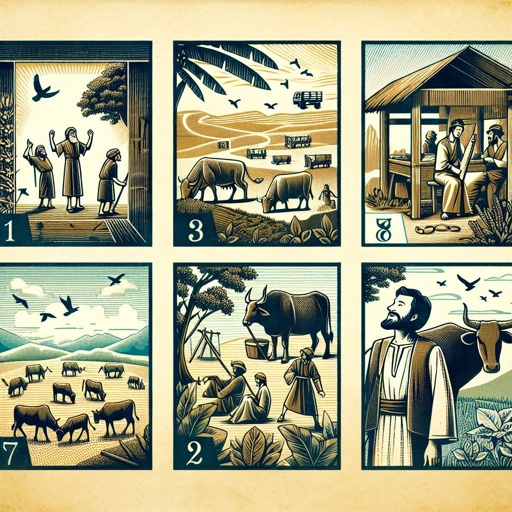
Exodus 23:12 - "Six days thou shalt do thy work, and on the seventh day thou shalt rest: that thine ox and thine ass may rest, and the son of thy handmaid, and the stranger, may be refreshed."

Exodus 12:23 - "For the LORD will pass through to smite the Egyptians; and when he seeth the blood upon the lintel, and on the two side posts, the LORD will pass over the door, and will not suffer the destroyer to come in unto your houses to smite you."

Exodus 23:20

Exodus 23:4

Exodus 23:28

Exodus 15:23

Exodus 12:12
Exodus 15:23

Exodus 23:4

Exodus 23:28

Exodus 23:27-28

Exodus 10:12 - "¶ And the LORD said unto Moses, Stretch out thine hand over the land of Egypt for the locusts, that they may come up upon the land of Egypt, and eat every herb of the land, even all that the hail hath left."

Exodus 23:28-29

Exodus 3:12

Exodus 3:12

Exodus 3:12

Exodus 3:12

Exodus 3:12

Exodus 12:33

Exodus 23:32 - "Thou shalt make no covenant with them, nor with their gods."