What does Exodus 23:16 mean?
"And the feast of harvest, the firstfruits of thy labours, which thou hast sown in the field: and the feast of ingathering, which is in the end of the year, when thou hast gathered in thy labours out of the field." - Exodus 23:16
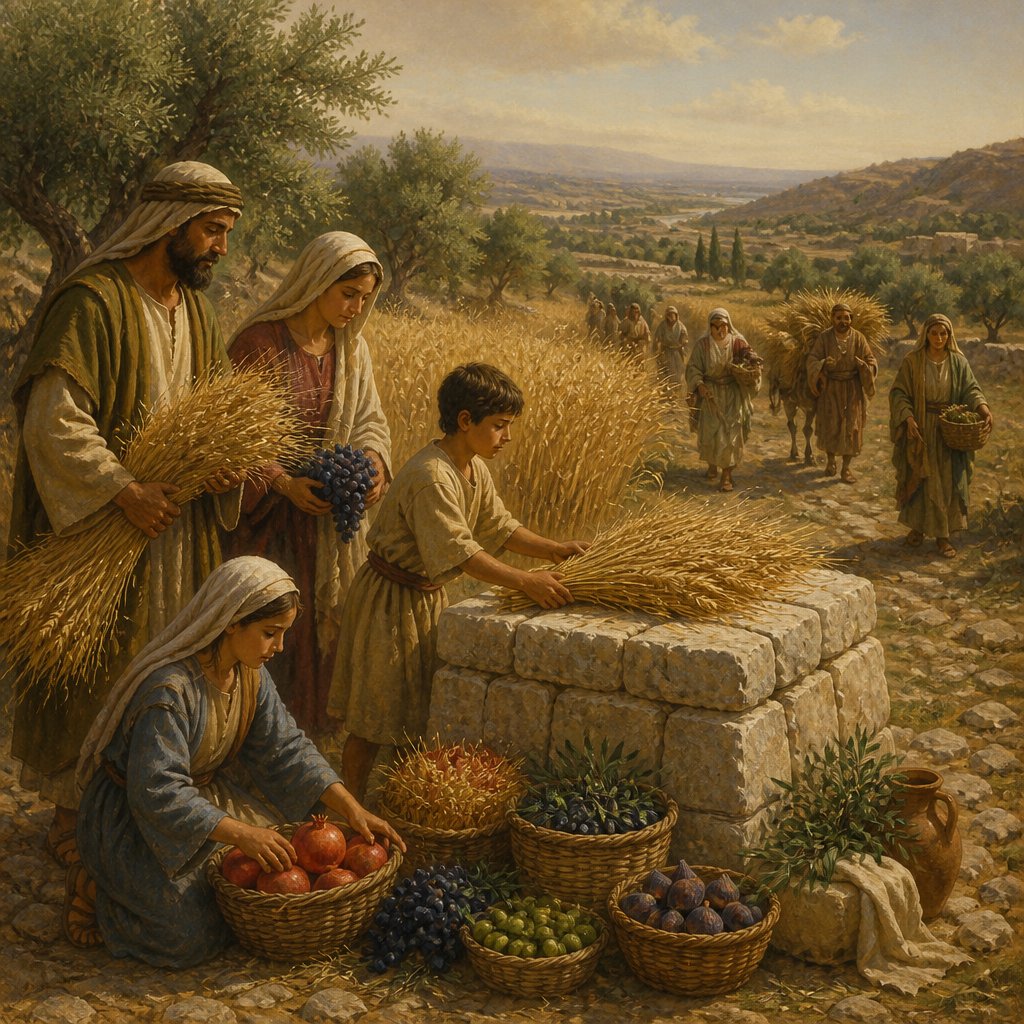
Exodus 23:16 (KJV) reads, "And the feast of harvest, the firstfruits of thy labors, which thou hast sown in the field: and the feast of ingathering, which is in the end of the year, when thou hast gathered in thy labors out of the field." This verse is part of the Old Testament book of Exodus, which chronicles the story of the Israelites' liberation from Egypt and their subsequent journey to the Promised Land.
The verse specifically refers to two important feasts in the Hebrew calendar: the Feast of Harvest (also known as Shavuot or Pentecost) and the Feast of Ingathering (also known as Sukkot or the Feast of Tabernacles). Both of these feasts were significant in the agricultural and religious life of the ancient Israelites, and they continue to hold cultural and spiritual significance for Jewish people today.
The Feast of Harvest, also known as Shavuot, was a time of celebration and gratitude for the firstfruits of the harvest. It took place in the late spring or early summer, marking the end of the grain harvest and the beginning of the fruit harvest. This feast was a time for the Israelites to present their offerings of the firstfruits of their labor to God as a way of acknowledging His provision and expressing thanksgiving.
The Feast of Ingathering, also known as Sukkot, was held in the fall after the completion of the entire harvest. This feast was a time of rejoicing and remembering God's faithfulness as the Israelites gathered the remaining produce and prepared for the coming winter. It was also a time of reflection on the Israelites' time in the wilderness and God's continued provision and protection.
In both feasts, there is a common theme of agricultural abundance, gratitude, and dependence on God. The Israelites were directed to remember and honor God's provision by giving back a portion of the firstfruits of the harvest. This act served as a tangible expression of their faith and trust in God as their provider and sustainer.
Beyond the agricultural and religious significance, these feasts also carry symbolic and prophetic meanings. The Feast of Harvest, or Shavuot, is often associated with the giving of the Law at Mount Sinai. It is also recognized as a time of spiritual renewal and the giving of the Holy Spirit, as seen in the Book of Acts in the New Testament.
Similarly, the Feast of Ingathering, or Sukkot, is linked to the Israelites' time in the wilderness and their dependence on God's protection and provision. It is also connected to the hope of a future ingathering when all nations and peoples will come before God to worship and celebrate His goodness.
In a broader sense, these feasts remind us of our own dependence on God for sustenance and provision. They also prompt us to cultivate an attitude of gratitude and generosity, acknowledging that all we have comes from God's hand. Furthermore, they point to the ultimate fulfillment in Jesus Christ, who is the true firstfruit of the resurrection and the hope of a future harvest of souls.
In conclusion, Exodus 23:16 is a reminder of the Israelites' agricultural and spiritual heritage, as well as a vivid illustration of God's faithfulness and provision. It serves as a call to gratitude, trust, and generosity, and points to the ultimate fulfillment in Jesus Christ. As we reflect on this verse, may we also be inspired to offer our firstfruits to God in thanksgiving and to live as faithful stewards of His blessings.
Have questions about Exodus 23:16?
Dive deeper into this scripture with Bible Chat — an AI-powered tool for exploring God's Word through conversation. Ask questions, get context, and grow in your understanding of the Bible.
Get Our Apps


Exodus 23:16 Artwork

Exodus 23:16 - "And the feast of harvest, the firstfruits of thy labours, which thou hast sown in the field: and the feast of ingathering, which is in the end of the year, when thou hast gathered in thy labours out of the field."
"And the feast of harvest, the firstfruits of thy labours, which thou hast sown in the field: and the feast of ingathering, which is in the end of the year, when thou hast gathered in thy labours out of the field." - Exodus 23:16

Exodus 23:20

Exodus 23:4

Exodus 23:28

Exodus 15:23
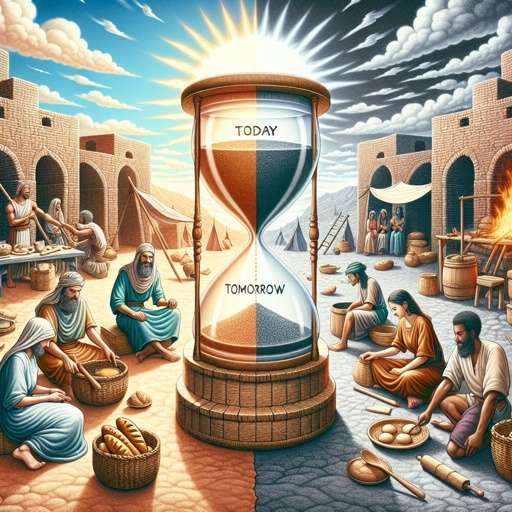
Exodus 16:23 - "And he said unto them, This is that which the LORD hath said, To morrow is the rest of the holy sabbath unto the LORD: bake that which ye will bake to day, and seethe that ye will seethe; and that which remaineth over lay up for you to be kept until the morning."

Exodus 23:4
Exodus 15:23

Exodus 23:28

Exodus 23:27-28

Exodus 23:28-29

Exodus 24:16

Exodus 25:16

Exodus 25:16

Exodus 25:16

Genesis 23-16

Exodus 23:32 - "Thou shalt make no covenant with them, nor with their gods."

Exodus 19:16-20

Exodus 23:6 - "Thou shalt not wrest the judgment of thy poor in his cause."

Exodus 23:23 - "For mine Angel shall go before thee, and bring thee in unto the Amorites, and the Hittites, and the Perizzites, and the Canaanites, the Hivites, and the Jebusites: and I will cut them off."

Exodus 16:11 - "¶ And the LORD spake unto Moses, saying,"

Exodus 16:30 - "So the people rested on the seventh day."

Exodus 21:23 - "And if any mischief follow, then thou shalt give life for life,"

Exodus 23:3 - "¶ Neither shalt thou countenance a poor man in his cause."

Exodus 26:23 - "And two boards shalt thou make for the corners of the tabernacle in the two sides."

Exodus 36:23 - "And he made boards for the tabernacle; twenty boards for the south side southward:"

Exodus 16:36 - "Now an omer is the tenth part of an ephah."

Exodus 23:14 - "¶ Three times thou shalt keep a feast unto me in the year."
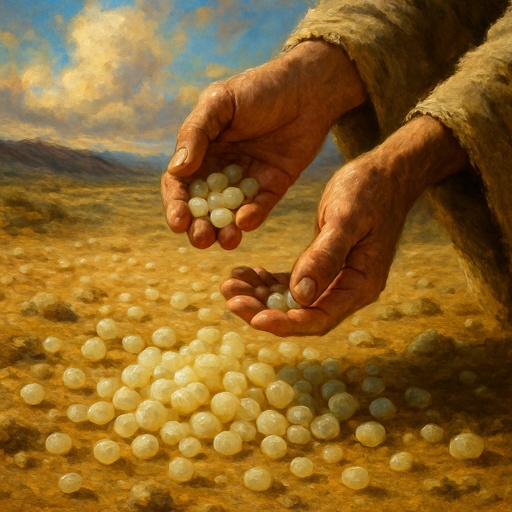
In Exodus 16, create the image of manna