What does Exodus 23:3 mean?
“Neither shalt thou countenance a poor man in his cause.” — Exodus 23:3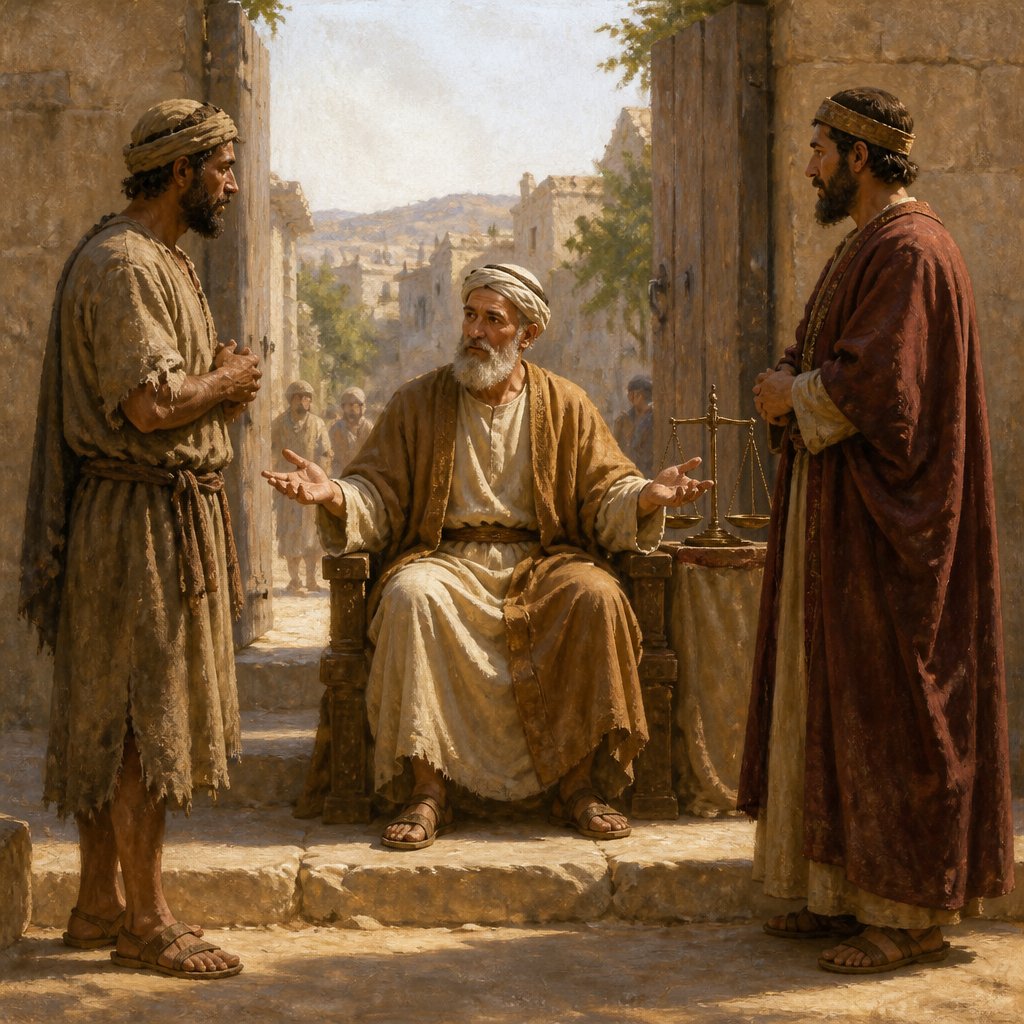
Exodus 23:3 in the King James Version (KJV) reads, "Neither shalt thou countenance a poor man in his cause." This verse is a part of the laws and commandments given by God to the Israelites through Moses, as they journeyed through the wilderness after their liberation from slavery in Egypt. The context of this verse is within a larger passage of ethical and moral guidelines, which were intended to guide the Israelites in their relationships with one another and with foreigners, as well as in their conduct towards the most vulnerable members of society.
The commandment "Neither shalt thou countenance a poor man in his cause" can be understood as an injunction to administer justice without bias or prejudice, and specifically to protect the rights of the poor and marginalized. In the ancient world, as in many societies today, the poor and disadvantaged often faced greater challenges in seeking justice and fairness. They were more likely to be exploited, oppressed, or overlooked by those in positions of power and influence. This verse reminds the Israelites that they are not to show favoritism based on social status or wealth, but rather to ensure that everyone, regardless of their economic standing, is treated fairly and equitably within the legal system.
The theme of justice and fairness is central to this verse, as well as to the broader message of the biblical passage in which it is found. Throughout the Old Testament, God's concern for justice, particularly for the most vulnerable members of society, is emphasized repeatedly. The prophets, in particular, speak out against injustice and the mistreatment of the poor and marginalized. This verse reflects the broader biblical theme of caring for the poor and standing up for the oppressed, often articulated in terms of God's special concern for the needy and marginalized.
In a broader theological context, this verse also speaks to the nature of God as just and fair, and his expectation that his people will reflect those same characteristics in their interactions with one another. Throughout the Bible, God's concern for justice is closely tied to his character and his desire for his people to embody that same concern in their actions. This verse serves as a reminder that God's people are called to reflect his justice and fairness in their relationships and in their treatment of others.
The symbolism in this verse lies in its deeper meaning and implications for the Israelites and for followers of the Judeo-Christian tradition today. By reminding the Israelites to not show favoritism towards the poor in legal matters, this verse underscores the importance of treating all individuals with equal respect and consideration. It challenges the prevailing social dynamics of the time, where the wealthy and powerful often held disproportionate influence in legal proceedings, and instead advocates for a system of justice that is blind to social status.
Furthermore, the message of this verse extends beyond the specific instructions given to the Israelites, and serves as a timeless ethical principle for believers today. It calls on Christians to advocate for justice and fairness, particularly on behalf of the marginalized and oppressed. It challenges believers to examine their own biases and attitudes towards those who are less fortunate, and to strive for a more equitable and just society.
In conclusion, Exodus 23:3 is a powerful reminder of God's concern for justice and fairness, and his expectation that his people will embody those same values in their interactions with others. It underscores the importance of advocating for the rights of the poor and marginalized, and challenges believers to confront their own biases and work towards a more just and equitable society. This verse serves as a timeless ethical principle, and its message remains relevant and compelling for Christians today.
Get our apps


Artwork for Exodus 23:3

Exodus 23:3 - "¶ Neither shalt thou countenance a poor man in his cause."
"¶ Neither shalt thou countenance a poor man in his cause." - Exodus 23:3

Exodus 23:20

Exodus 23:4

Exodus 23:28

Exodus 15:23

Exodus 23:4
Exodus 15:23

Exodus 23:28

Exodus 23:27-28

Exodus 23:28-29

Exodus 23:32 - "Thou shalt make no covenant with them, nor with their gods."
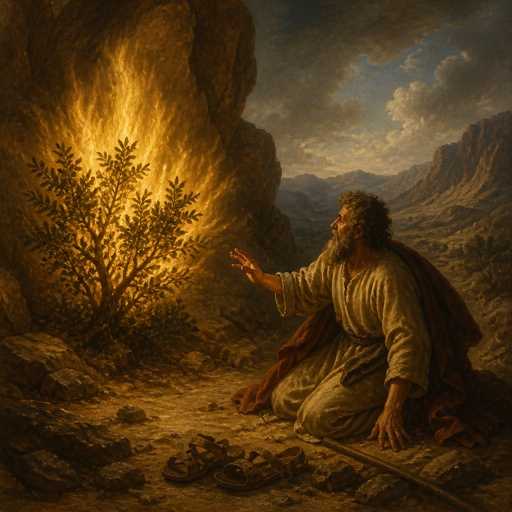
exodus 3

exodus 3

Exodus 23:6 - "Thou shalt not wrest the judgment of thy poor in his cause."

Exodus 23:23 - "For mine Angel shall go before thee, and bring thee in unto the Amorites, and the Hittites, and the Perizzites, and the Canaanites, the Hivites, and the Jebusites: and I will cut them off."

Exodus 21:23 - "And if any mischief follow, then thou shalt give life for life,"

Exodus 26:23 - "And two boards shalt thou make for the corners of the tabernacle in the two sides."

Exodus 36:23 - "And he made boards for the tabernacle; twenty boards for the south side southward:"

Exodus 23:14 - "¶ Three times thou shalt keep a feast unto me in the year."

Exodus 3:12

Exodus 3:12

Exodus 17:3

Exodus 3:12

Exodus 3:12

Exodus 3:12
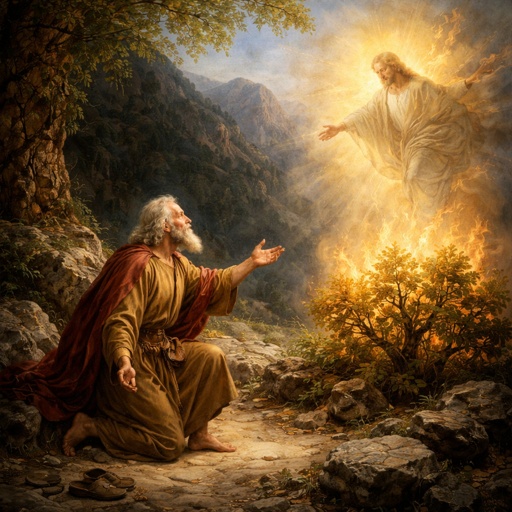
exodus 3:11

Exodus 3:14

Exodus 3:14

Exodus 3:14