What does Exodus 25:2 mean?
“Speak unto the children of Israel, that they bring me an offering: of every man that giveth it willingly with his heart ye shall take my offering.” — Exodus 25:2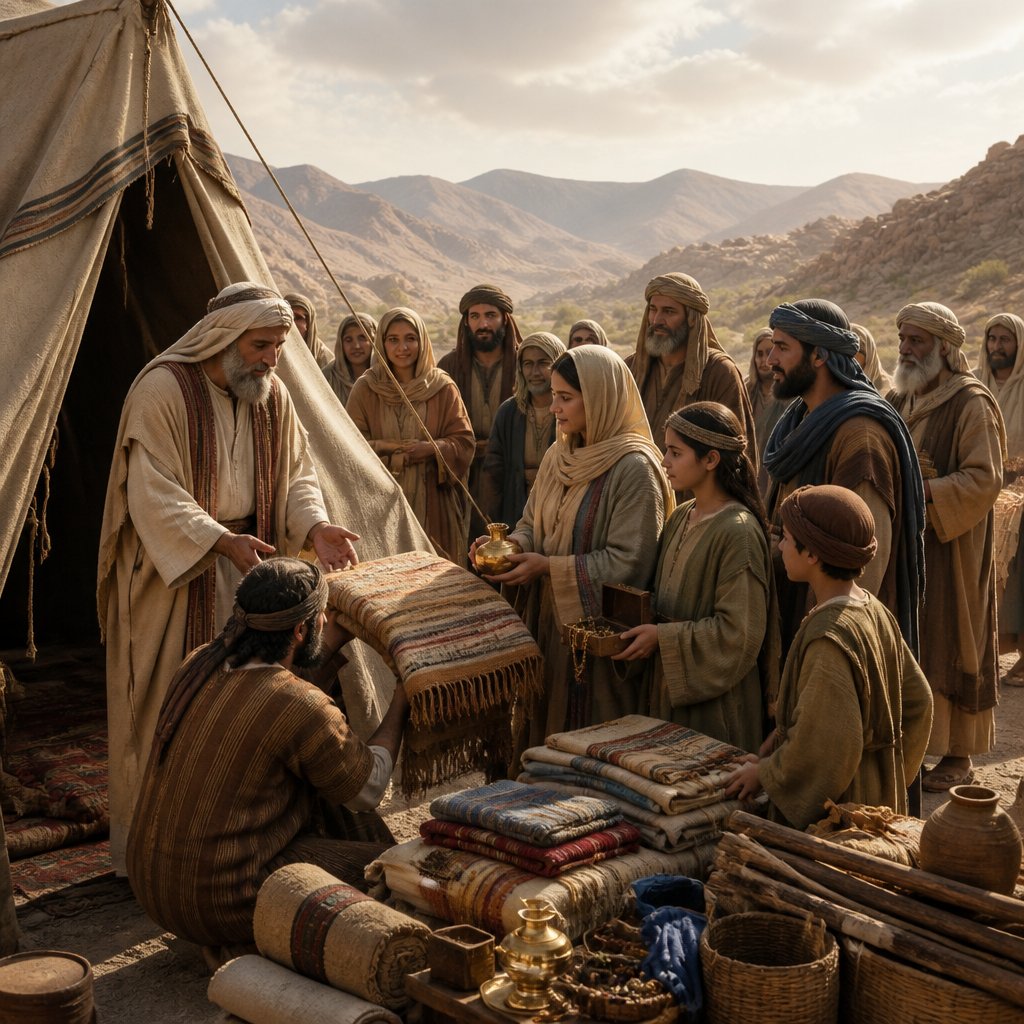
"Speak unto the children of Israel, that they bring me an offering: of every man that giveth it willingly with his heart ye shall take my offering." - Exodus 25:2 (KJV)
The book of Exodus is the second book of the Bible and provides an account of the Israelites' deliverance from slavery in Egypt and their journey to the promised land. This verse specifically addresses the instructions given to Moses by God for the construction of the tabernacle.
The verse begins with the command for Moses to speak to the children of Israel, instructing them to bring an offering to the Lord. This offering was to be given willingly, with a pure and generous heart. The implication here is that the offering was not to be coerced or forced, but rather a voluntary act of worship and obedience. This sets the tone for the spiritual and sincere nature of the offering.
The concept of offering is central to the Christian faith, and it is often associated with the act of giving back to God as an expression of gratitude and devotion. In this verse, the emphasis is on the willing and heartfelt nature of the offering, highlighting the importance of the internal disposition of the giver.
The context of this verse is important for understanding its significance. At this point in the biblical narrative, the Israelites had recently been freed from slavery in Egypt and were in the process of forming a covenant with God. The tabernacle, which was to be constructed with the offerings brought by the people, was to serve as a sanctuary for God's presence among the Israelites. The construction of the tabernacle and the offerings that funded it were a tangible expression of the people's commitment to God and their desire to honor Him.
The voluntary nature of the offering is significant in that it reflects the idea of stewardship and sacrificial giving. The Israelites were called to give not out of obligation, but out of a desire to participate in the work of God and contribute to His kingdom. Their willingness to give from their hearts demonstrated their trust in God's provision and their commitment to His purposes.
This verse also highlights the importance of generosity and selflessness in the act of giving. God desires not only the physical offering but also the attitude and motivation behind it. The focus on the heart of the giver underscores the spiritual dimension of giving and the transformative effect it can have on one's relationship with God.
Symbolically, the offering represents more than just material resources. It signifies an offering of oneself, a surrendering of one's own will and desires to the will of God. The act of giving becomes a means of drawing closer to God and aligning one's life with His purposes.
In contemporary Christian practice, this verse continues to serve as a reminder of the principles of sacrificial giving and the importance of generosity, sincerity, and stewardship. It calls believers to examine their hearts and motivations in their giving, encouraging them to offer themselves wholeheartedly to God.
In conclusion, Exodus 25:2 emphasizes the spiritual and voluntary nature of giving, the importance of the heart behind the offering, and the significance of selfless and sacrificial giving in the context of God's work. It serves as a timeless reminder of the principles of generosity and stewardship that are integral to the Christian faith.
Get our apps


Artwork for Exodus 25:2

Exodus 25:2 - "Speak unto the children of Israel, that they bring me an offering: of every man that giveth it willingly with his heart ye shall take my offering."
"Speak unto the children of Israel, that they bring me an offering: of every man that giveth it willingly with his heart ye shall take my offering." - Exodus 25:2

Exodus 2:25 - "And God looked upon the children of Israel, and God had respect unto them."

Exodus 25:16

Exodus 25:31

Exodus 25:8

Exodus 25:16

Exodus 25:16
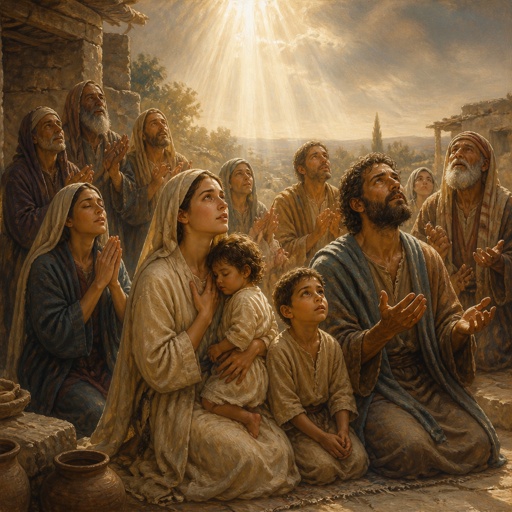
"And God looked upon the children of Israel, and God had respect unto them." - Exodus 2:25

Exodus 25:10-22

Exodus 25:1 - "And the LORD spake unto Moses, saying,"

Exodus 25:7 - "Onyx stones, and stones to be set in the ephod, and in the breastplate."

Exodus 21:25 - "Burning for burning, wound for wound, stripe for stripe."

Exodus 25:38 - "And the tongs thereof, and the snuffdishes thereof, shall be of pure gold."

Exodus 25:4 - "And blue, and purple, and scarlet, and fine linen, and goats' hair,"

Exodus 25:6 - "Oil for the light, spices for anointing oil, and for sweet incense,"

Exodus 25:25 - "And thou shalt make unto it a border of an hand breadth round about, and thou shalt make a golden crown to the border thereof round about."

Exodus 25:15 - "The staves shall be in the rings of the ark: they shall not be taken from it."

Exodus 25:31-40 This is an oil lampstand.

Exodus 40:25 - "And he lighted the lamps before the LORD; as the LORD commanded Moses."

Exodus 25:39 - "Of a talent of pure gold shall he make it, with all these vessels."

Exodus 25:5 - "And rams' skins dyed red, and badgers' skins, and shittim wood,"

Exodus 7:25 - "And seven days were fulfilled, after that the LORD had smitten the river."

Exodus 25:3 - "And this is the offering which ye shall take of them; gold, and silver, and brass,"

Exodus 25:27 - "Over against the border shall the rings be for places of the staves to bear the table."

Exodus 25:30 - "And thou shalt set upon the table shewbread before me alway."

Exodus 25:13 - "And thou shalt make staves of shittim wood, and overlay them with gold."

Exodus 19:25 - "So Moses went down unto the people, and spake unto them."

Exodus 25:16 - "And thou shalt put into the ark the testimony which I shall give thee."

Exodus 25:40 - "And look that thou make them after their pattern, which was shewed thee in the mount."