What does Exodus 25:30 mean?
“And thou shalt set upon the table shewbread before me alway.” — Exodus 25:30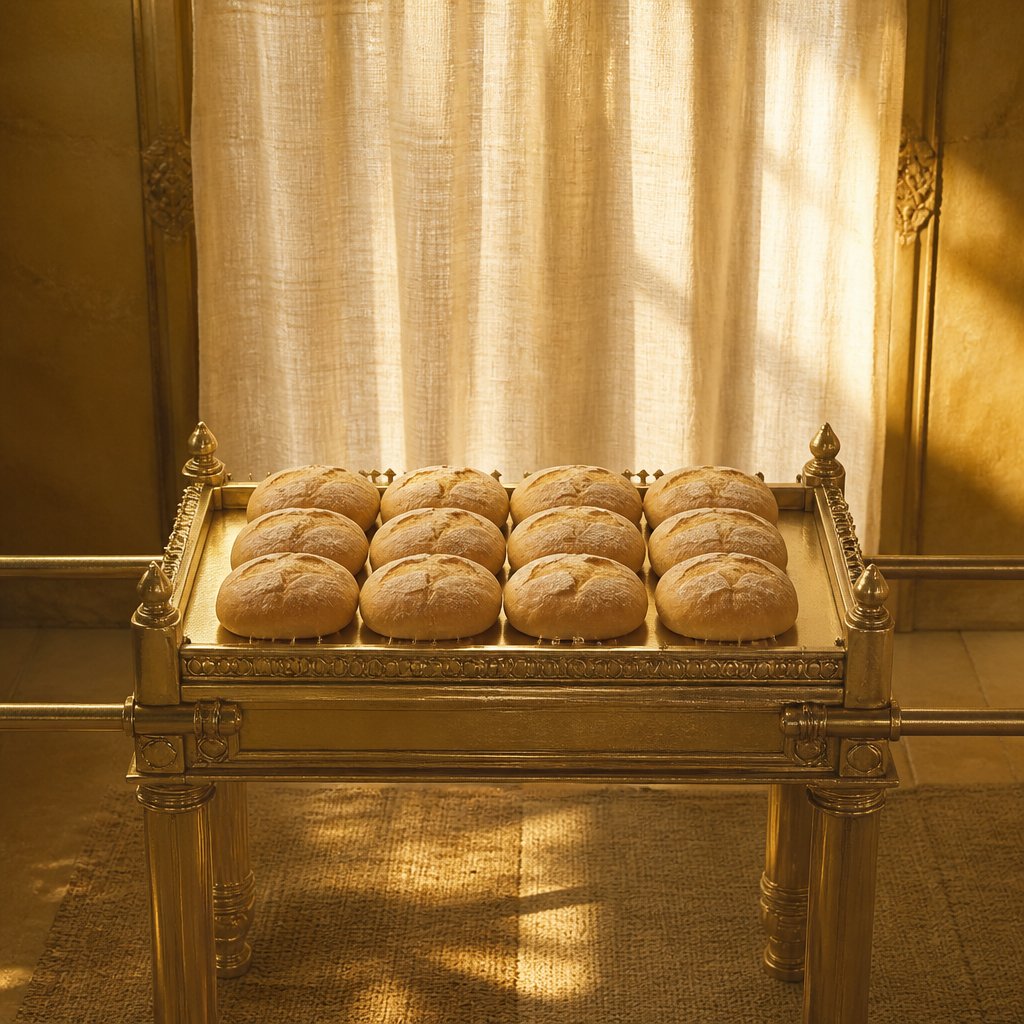
Exodus 25:30 in the King James Version of the Bible reads, "And thou shalt set upon the table shewbread before me alway." This verse is part of a passage in the book of Exodus that describes the instructions given by God to Moses for building the tabernacle, a sacred place of worship and sacrifice for the Israelites during their time in the wilderness. The shewbread, also known as the "bread of the presence" or "the presence bread," was a key element in the tabernacle's holy sanctuary.
The shewbread was to be placed on a table in the tabernacle, and it was to be an offering before the Lord continually. The purpose of this bread was to symbolize the ongoing fellowship and communion between God and his people. The table and the shewbread were an essential aspect of the daily worship and service in the tabernacle, demonstrating the Israelites' recognition of God's continual presence and their dependence on Him for provision and sustenance.
The shewbread is significant not only because of its role in the tabernacle but also because of its symbolism and representation of important spiritual truths. One of the central themes of this verse is the concept of God's provision and sustenance. The shewbread represents God's ongoing care and provision for His people, as it was a visible reminder of His faithfulness and generosity. It served as a tangible expression of the Israelites' reliance on God for their physical needs, and it highlighted the importance of acknowledging God's role as the ultimate provider of all things.
Furthermore, the shewbread also serves as a symbol of fellowship and communion with God. By regularly presenting the shewbread before the Lord, the Israelites expressed their desire for a continuous relationship with God. The act of setting the bread before God signified their intention to maintain a close connection with Him and to seek His presence in their daily lives. This aspect of the shewbread emphasizes the importance of spiritual sustenance and the need for regular communion with God in the life of believers.
Beyond provision and communion, the shewbread also points to the idea of dedication and consecration. The table upon which the shewbread was placed was considered holy, and the bread itself was set apart for a specific purpose. This demonstrates the Israelites' commitment to honoring God and seeking His favor through their offerings. The shewbread was a physical representation of their devotion and dedication to God, showing their willingness to set aside resources for His service and worship.
In a broader context, the symbolism of the shewbread carries over into the New Testament and the Christian faith. Jesus Christ, in the Gospel of John, identifies Himself as the "bread of life" (John 6:35) and the ultimate source of nourishment for the soul. This connection between the shewbread and Jesus underscores the spiritual significance of the bread in the tabernacle, pointing to the spiritual sustenance and life that comes from a relationship with Christ.
In summary, Exodus 25:30 and the concept of the shewbread hold rich symbolism and meaning for believers. It serves as a reminder of God's provision, the importance of fellowship and communion with Him, and the dedication and consecration of resources for His service. This verse and the shewbread represent timeless truths about the relationship between God and His people, highlighting the significance of spiritual sustenance, ongoing fellowship, and dedication to the Lord.
Get our apps


Artwork for Exodus 25:30

Exodus 25:30 - "And thou shalt set upon the table shewbread before me alway."
"And thou shalt set upon the table shewbread before me alway." - Exodus 25:30

Exodus 30:25 - "And thou shalt make it an oil of holy ointment, an ointment compound after the art of the apothecary: it shall be an holy anointing oil."
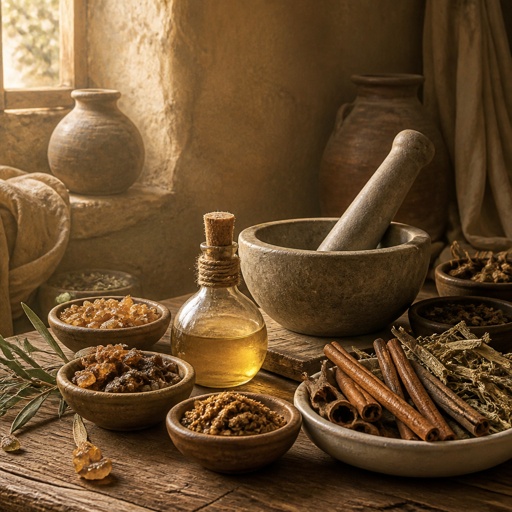
"And thou shalt make it an oil of holy ointment, an ointment compound after the art of the apothecary: it shall be an holy anointing oil." - Exodus 30:25

Exodus 26:30

Exodus 28:30-43

Exodus 28:15-30

Exodus 30:30 - "And thou shalt anoint Aaron and his sons, and consecrate them, that they may minister unto me in the priest's office."

Exodus 25:16

Exodus 25:31

Exodus 25:16

Exodus 25:8

Exodus 25:16

Exodus 16:30 - "So the people rested on the seventh day."

Exodus 30:17 - "¶ And the LORD spake unto Moses, saying,"

Exodus 30:11 - "¶ And the LORD spake unto Moses, saying,"

Exodus 30:22 - "¶ Moreover the LORD spake unto Moses, saying,"

Proverbs 30:25 - "The ants are a people not strong, yet they prepare their meat in the summer;"

Exodus 25:10-22

Exodus 8:30 - "And Moses went out from Pharaoh, and intreated the LORD."

Exodus 30:26 - "And thou shalt anoint the tabernacle of the congregation therewith, and the ark of the testimony,"

Job 30:25 - "Did not I weep for him that was in trouble? was not my soul grieved for the poor?"

Exodus 25:1 - "And the LORD spake unto Moses, saying,"

Exodus 30:19 - "For Aaron and his sons shall wash their hands and their feet thereat:"

Exodus 30:27 - "And the table and all his vessels, and the candlestick and his vessels, and the altar of incense,"

Exodus 30:5 - "And thou shalt make the staves of shittim wood, and overlay them with gold."

Matthew 25:30 - "And cast ye the unprofitable servant into outer darkness: there shall be weeping and gnashing of teeth."

Exodus 25:7 - "Onyx stones, and stones to be set in the ephod, and in the breastplate."

Exodus 30:28 - "And the altar of burnt offering with all his vessels, and the laver and his foot."

The Plague on the Firstborn - Exodus 11, 12:1-30