What does Exodus 26:20 mean?
“And for the second side of the tabernacle on the north side there shall be twenty boards:” — Exodus 26:20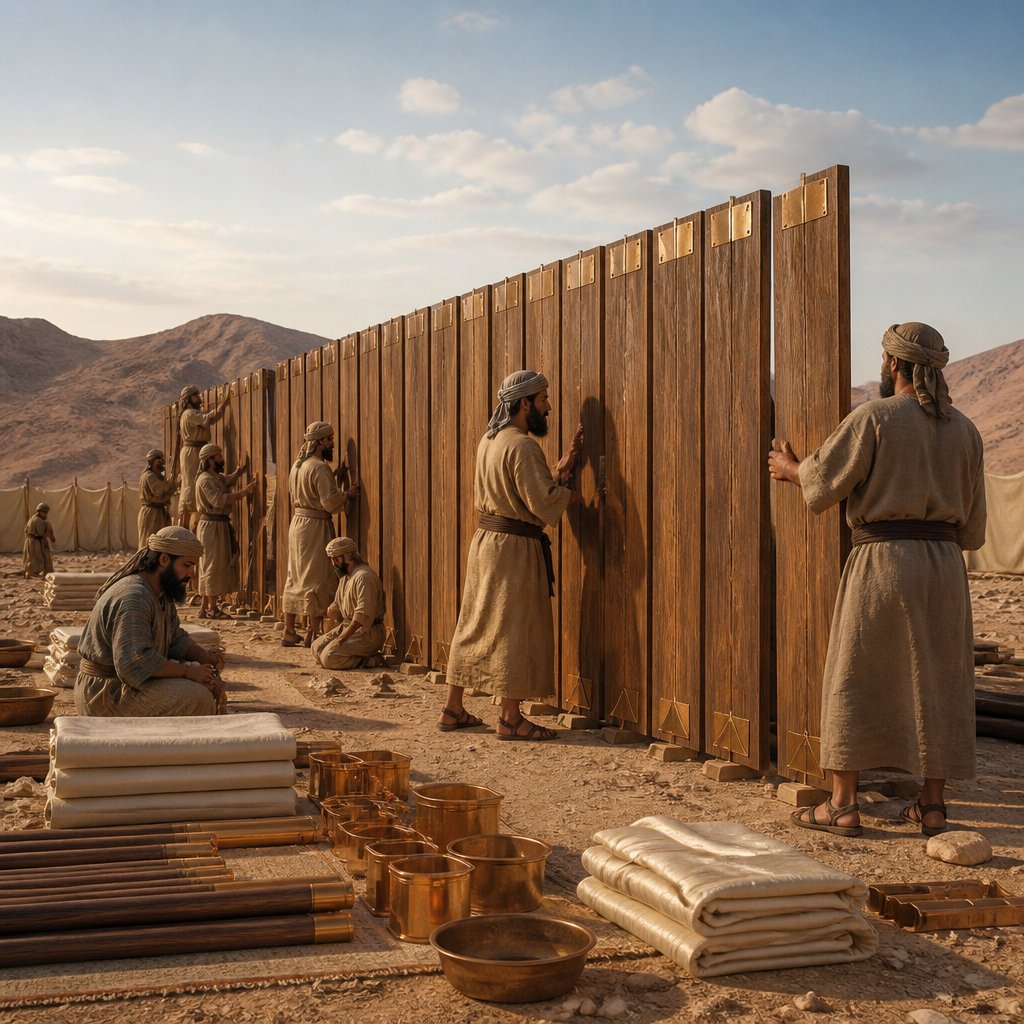
Exodus 26:20 (KJV) states, "And for the second side of the tabernacle on the north side there shall be twenty boards." This verse comes from the book of Exodus in the Old Testament, which describes the construction of the tabernacle, a sacred tent that served as a place of worship and a symbol of God's presence among the Israelites during their journey in the wilderness.
The context of this verse is part of God's instructions to Moses on how to construct the tabernacle. God gave precise details on the materials to be used, the dimensions, and the layout of the tabernacle. In Exodus 26, God specifically describes the construction of the framework of the tabernacle, which consists of boards made of acacia wood covered in gold. These boards were to be set up on the south, west, and north sides of the tabernacle, forming its walls.
In this verse, the focus is on the construction of the north side of the tabernacle, where there were to be twenty boards. Each board was ten cubits long and one and a half cubits wide, and they were to be securely set into sockets of silver. The silver sockets were to provide a foundation for the boards, giving them stability and support as they formed the walls of the tabernacle. This detail emphasizes the importance of a solid foundation in the construction of the tabernacle, highlighting the significance of stability in the worship of God.
Symbolically, the construction of the tabernacle and its intricate details hold deep spiritual significance. The tabernacle served as a place for the Israelites to worship and commune with God. It was a physical representation of God's dwelling among His people, and every aspect of its construction was designed to reflect the holiness and glory of God. The precise measurements and materials used in the construction of the tabernacle demonstrated the Israelites' reverence for God and their commitment to creating a sacred space for His presence.
Furthermore, the twenty boards on the north side of the tabernacle symbolize the strength and unity of God's people. Each board was essential in forming the walls of the tabernacle, and together, they created a solid, unified structure. This image serves as a reminder of the importance of unity and collaboration among believers in worshipping and serving God. Just as the boards were joined together to create a place for God's presence, so too are believers called to come together in unity to build and sustain the spiritual house of God.
The themes of obedience, reverence, and unity are prevalent in this verse. The Israelites were obedient to God's instructions in constructing the tabernacle, showing their reverence for His holiness and their desire to create a place where His presence could dwell. Additionally, the unity of the boards on the north side of the tabernacle serves as a powerful symbol of the importance of unity and cohesion within the community of believers.
Overall, Exodus 26:20 is a detailed and significant verse that reflects the meticulous instructions and symbolism found throughout the construction of the tabernacle. It illustrates the importance of obedience, reverence, and unity in the worship of God and the building of His spiritual dwelling place. As believers, we can draw inspiration from this verse to uphold these principles in our own lives and in our communities of faith.
Get our apps


Artwork for Exodus 26:20

Exodus 26:20 - "And for the second side of the tabernacle on the north side there shall be twenty boards:"
"And for the second side of the tabernacle on the north side there shall be twenty boards:" - Exodus 26:20

Exodus 20:26 - "Neither shalt thou go up by steps unto mine altar, that thy nakedness be not discovered thereon."
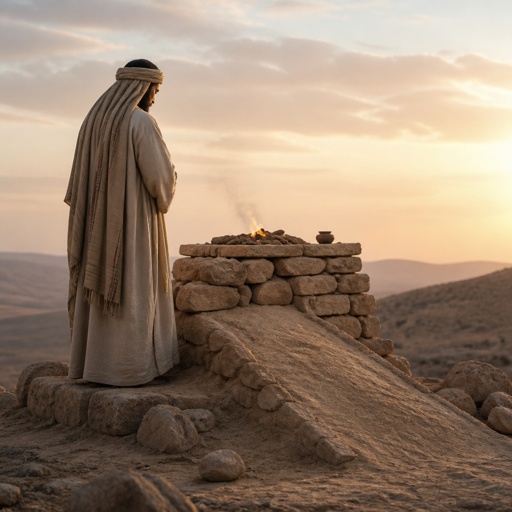
"Neither shalt thou go up by steps unto mine altar, that thy nakedness be not discovered thereon." - Exodus 20:26

exodus 26:1

Exodus 26:30

Exodus 26:31

Exodus 26:31

Exodus 26:31

exodus 26:1

Exodus 26:26 - "¶ And thou shalt make bars of shittim wood; five for the boards of the one side of the tabernacle,"

Exodus 26:31-33
Proverbs 26:20

Exodus 23:20

Exodus 20:2

Exodus 27:20

Exodus 27:20

Exodus 27:20

Exodus 20:14

Exodus 20:15 - "Thou shalt not steal."

Exodus 20:13 - "Thou shalt not kill."

Exodus 27:19-20

Exodus 19:16-20

Exodus 20:14 - "Thou shalt not commit adultery."

Exodus 30:26 - "And thou shalt anoint the tabernacle of the congregation therewith, and the ark of the testimony,"

Exodus 40:26 - "¶ And he put the golden altar in the tent of the congregation before the vail:"

Exodus 26:22 - "And for the sides of the tabernacle westward thou shalt make six boards."

Exodus 9:26 - "Only in the land of Goshen, where the children of Israel were, was there no hail."

Exodus 20:1 - "And God spake all these words, saying,"

Exodus 20:8 - "Remember the sabbath day, to keep it holy."