What does Exodus 26:34 mean?
“And thou shalt put the mercy seat upon the ark of the testimony in the most holy place.” — Exodus 26:34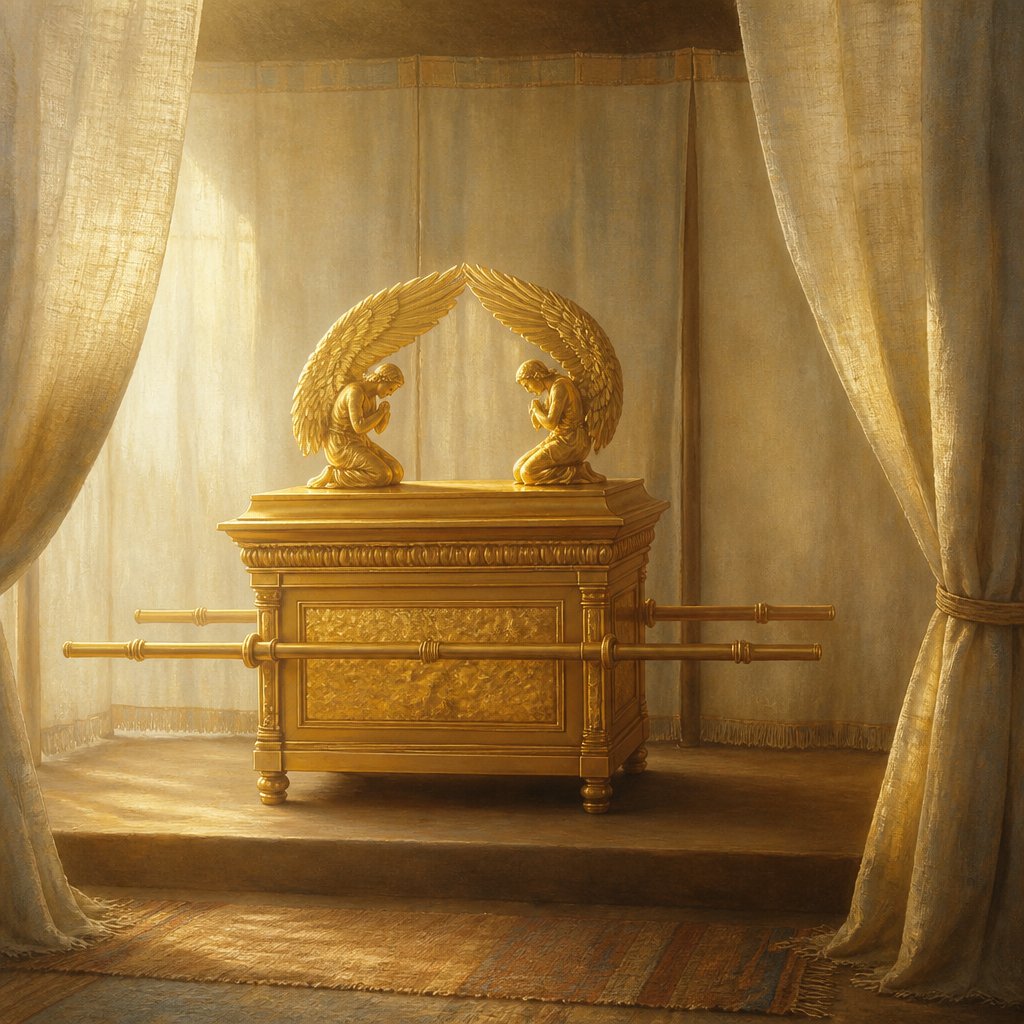
Exodus 26:34 in the King James Version of the Bible reads: "And thou shalt put the mercy seat upon the ark of the testimony in the most holy place."
This verse comes from the book of Exodus, which details the story of the Israelites' liberation from slavery in Egypt and their journey to the Promised Land. In this particular passage, God is giving Moses instructions for the construction of the tabernacle, a portable sanctuary where God would dwell among the Israelites during their travels.
The "mercy seat" referred to in this verse was a golden cover for the ark of the covenant, which was a sacred chest containing the stone tablets inscribed with the Ten Commandments. The mercy seat was situated on top of the ark and was considered the holiest object in the tabernacle. It was here that the high priest would sprinkle the blood of sacrificial animals on the Day of Atonement to seek forgiveness for the sins of the people.
The imagery of the mercy seat holds profound symbolic significance within the Christian faith. It serves as a representation of God's mercy and grace, as well as a foreshadowing of the ultimate sacrifice of Jesus Christ. The blood of the sacrificial animals symbolizes the atoning sacrifice of Christ, who would shed his blood on the cross to cleanse humanity of sin and reconcile them with God.
The placement of the mercy seat "in the most holy place" emphasizes its central role in the tabernacle and underscores its sanctity. The most holy place, also known as the Holy of Holies, was a secluded inner chamber where God's presence dwelled in a special way. Access to this sacred space was restricted, and only the high priest was allowed to enter once a year to perform the rituals of atonement. This exclusivity and reverence for the most holy place underscore the divine nature of the mercy seat and its association with God's presence and forgiveness.
The concept of atonement is a prominent theme in this verse, as well as throughout the Bible. The word "atonement" signifies the reconciliation of God and humanity through the forgiveness of sin. The rituals performed at the mercy seat on the Day of Atonement symbolized the cleansing of the people's transgressions and the restoration of their relationship with God. This theme of atonement permeates the entire narrative of the Bible and culminates in the redemptive work of Jesus Christ, who is described as the ultimate atoning sacrifice for humanity.
Furthermore, the mercy seat serves as a reminder of God's faithfulness and willingness to forgive. Despite the Israelites' repeated disobedience and shortcomings, God provided a means for them to seek reconciliation and forgiveness. This profound act of mercy reflects the compassionate and loving nature of God, who extends grace to his people even in the face of their failings.
In conclusion, Exodus 26:34 and the symbolism of the mercy seat convey profound spiritual truths about God's mercy, atonement, and grace. The verse serves as a powerful reminder of God's redemptive plan for humanity and his unwavering desire to reconcile with his people. It also foreshadows the ultimate atoning sacrifice of Jesus Christ, who would fully embody the mercy and grace of God. This verse continues to inspire and nourish the faith of Christians, as they reflect on the profound significance of the mercy seat in the broader narrative of God's redemptive work.
Get our apps


Artwork for Exodus 26:34

Exodus 26:34 - "And thou shalt put the mercy seat upon the ark of the testimony in the most holy place."
"And thou shalt put the mercy seat upon the ark of the testimony in the most holy place." - Exodus 26:34

Exodus 34:26 - "The first of the firstfruits of thy land thou shalt bring unto the house of the LORD thy God. Thou shalt not seethe a kid in his mother's milk."

Exodus 40: 34

Exodus 28:31-34

Exodus 28:31-34

Exodus 28:31-34

Exodus 34:17 - "Thou shalt make thee no molten gods."

Numbers 34:26 - "And the prince of the tribe of the children of Issachar, Paltiel the son of Azzan."

Job 34:26 - "He striketh them as wicked men in the open sight of others;"

Exodus 34:5 - "And the LORD descended in the cloud, and stood with him there, and proclaimed the name of the LORD."

Exodus 40:34 - "¶ Then a cloud covered the tent of the congregation, and the glory of the LORD filled the tabernacle."

exodus 26:1

Exodus 26:30

Exodus 26:31

Exodus 26:31

Exodus 26:31

exodus 26:1
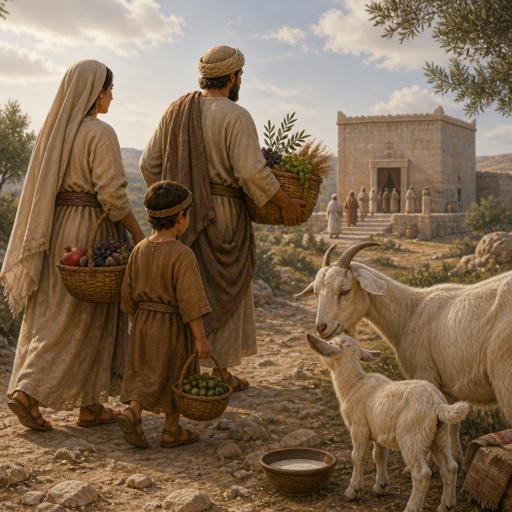
"The first of the firstfruits of thy land thou shalt bring unto the house of the LORD thy God. Thou shalt not seethe a kid in his mother's milk." - Exodus 34:26

Exodus 26:26 - "¶ And thou shalt make bars of shittim wood; five for the boards of the one side of the tabernacle,"

Exodus 34:8 - "And Moses made haste, and bowed his head toward the earth, and worshipped."

Exodus 34:13 - "But ye shall destroy their altars, break their images, and cut down their groves:"

Exodus 26:31-33

Numbers 26:34 - "These are the families of Manasseh, and those that were numbered of them, fifty and two thousand and seven hundred."

Exodus 34:33 - "And till Moses had done speaking with them, he put a vail on his face."

Exodus 34:14 - "For thou shalt worship no other god: for the LORD, whose name is Jealous, is a jealous God:"

Exodus 34:34 - "But when Moses went in before the LORD to speak with him, he took the vail off, until he came out. And he came out, and spake unto the children of Israel that which he was commanded."

Exodus 16:34 - "As the LORD commanded Moses, so Aaron laid it up before the Testimony, to be kept."

Exodus 25:34 - "And in the candlestick shall be four bowls made like unto almonds, with their knops and their flowers."

Exodus 39:34 - "And the covering of rams' skins dyed red, and the covering of badgers' skins, and the vail of the covering,"