What does Exodus 27:7 mean?
“And the staves shall be put into the rings, and the staves shall be upon the two sides of the altar, to bear it.” — Exodus 27:7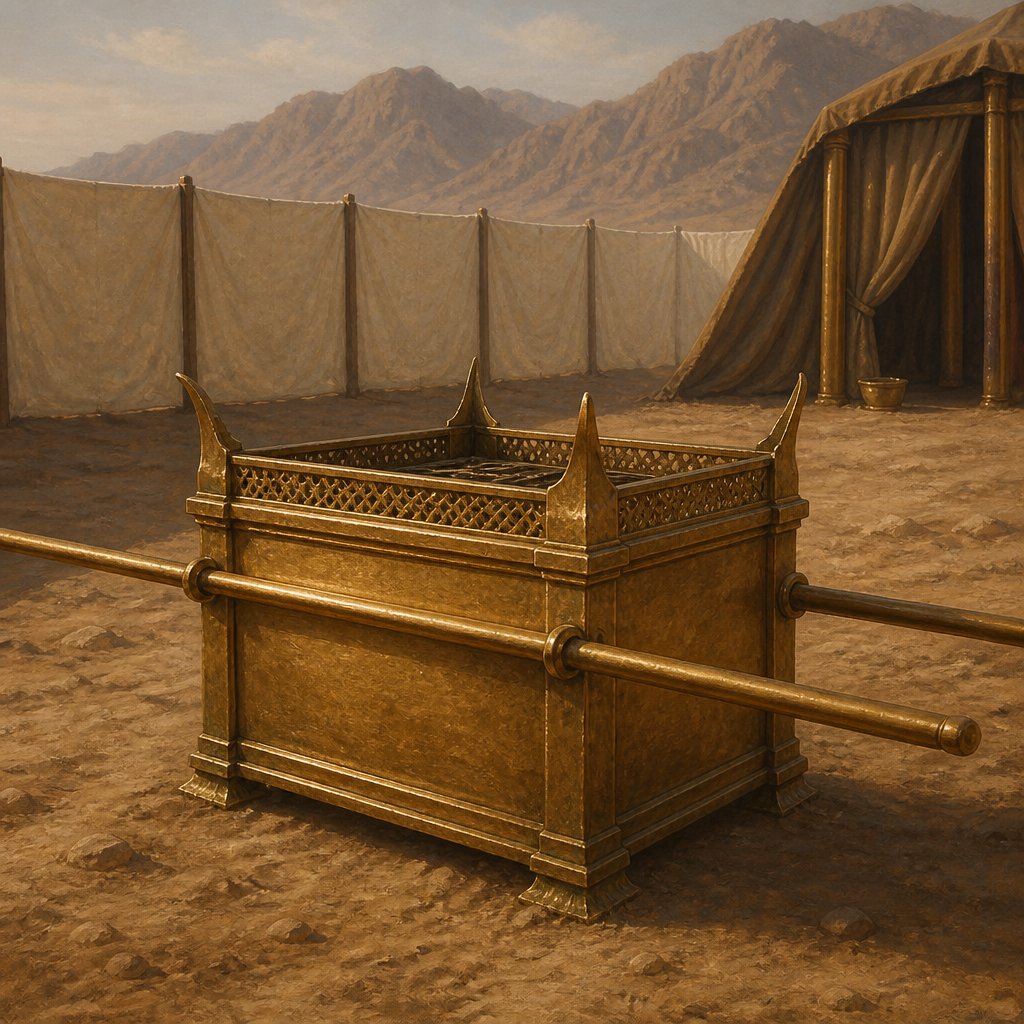
Exodus 27:7 in the King James Version of the Bible reads, "And the staves shall be put into the rings, and the staves shall be upon the two sides of the altar, to bear it."
This verse comes from the book of Exodus, which is the second book of the Old Testament. Exodus tells the story of the Israelites' liberation from slavery in Egypt and their journey to the Promised Land. In this particular verse, God is instructing Moses on the construction of the altar for burnt offerings that is to be built as part of the tabernacle, the portable sanctuary for the Hebrew people.
The altar was a central fixture in the tabernacle, as it was where sacrifices and offerings were made to God. The altar was made of acacia wood and bronze, and it had four horns on its corners. The staves, or poles, were used to carry the altar when the Israelites were traveling from place to place.
The specific instructions for the placement of the staves in the rings on the altar convey a sense of reverence and care for the sacred object. This attention to detail and respect for the altar demonstrates the Israelites' commitment to honoring God through their worship and sacrifices.
In a broader context, this verse speaks to the importance of proper reverence and care for the things of God. It teaches that the objects used in worship should be treated with respect and dignity, and that the act of worship itself should be approached with reverence and attentiveness.
The use of the altar in the tabernacle also symbolizes the Israelites' relationship with God. The altar was the meeting place between the people and God, where they could offer prayers, sacrifices, and praise. It served as a physical representation of the spiritual connection between the Israelites and their Creator.
Furthermore, the placement of the staves on the altar serves as a reminder of the Israelites' journey in the wilderness. The fact that the altar was designed to be portable reflects the transient nature of their existence as they traveled from Egypt to Canaan. It also reminds the Israelites that God was with them every step of the way, as symbolized by the presence of the altar and its staves.
In a broader theological sense, the image of the altar and its staves can also be seen as a symbol of Christ and his sacrifice on the cross. The altar itself represents the place of atonement and redemption, while the staves signify the ability to move and transport this message of salvation to all people, regardless of location or circumstance.
Overall, Exodus 27:7 is a verse that speaks to the significance of the altar in the Israelites' worship and the importance of treating sacred objects with reverence. It also serves as a reminder of God's constant presence and provision for his people, as well as a foreshadowing of the ultimate sacrifice of Christ. Ultimately, this verse encourages believers to approach their worship and devotion with mindfulness and respect, recognizing the holiness of God and the sacredness of their relationship with him.
Get our apps


Artwork for Exodus 27:7

Exodus 27:7 - "And the staves shall be put into the rings, and the staves shall be upon the two sides of the altar, to bear it."
"And the staves shall be put into the rings, and the staves shall be upon the two sides of the altar, to bear it." - Exodus 27:7

Exodus 27:20

Exodus 27:20

Exodus 27:20

Exodus 27:19-20

Exodus 27:1-8

Exodus 23:27-28

exodus 27:3 forks

Exodus 27:19-21

Exodus 27:20 the lamp is made of brass

Exodus 36:27 - "And for the sides of the tabernacle westward he made six boards."

Exodus 35:27 - "And the rulers brought onyx stones, and stones to be set, for the ephod, and for the breastplate;"

Exodus 27:13 - "And the breadth of the court on the east side eastward shall be fifty cubits."

Exodus 40:27 - "And he burnt sweet incense thereon; as the LORD commanded Moses."

Exodus 30:27 - "And the table and all his vessels, and the candlestick and his vessels, and the altar of incense,"

Exodus 25:27 - "Over against the border shall the rings be for places of the staves to bear the table."

Exodus 10:27 - "¶ But the LORD hardened Pharaoh's heart, and he would not let them go."

Exodus 39:27 - "¶ And they made coats of fine linen of woven work for Aaron, and for his sons,"

Exodus 27:15 - "And on the other side shall be hangings fifteen cubits: their pillars three, and their sockets three."

Exodus 27:14 - "The hangings of one side of the gate shall be fifteen cubits: their pillars three, and their sockets three."

Exodus 16:27 - "¶ And it came to pass, that there went out some of the people on the seventh day for to gather, and they found none."

Proverbs 7:26-27

Exodus 7:10

Exodus 7:10
Exodus 27:8 - "Hollow with boards shalt thou make it: as it was shewed thee in the mount, so shall they make it."
Exodus 27:6 - "And thou shalt make staves for the altar, staves of shittim wood, and overlay them with brass."

Exodus 12:7

Exodus 12:7
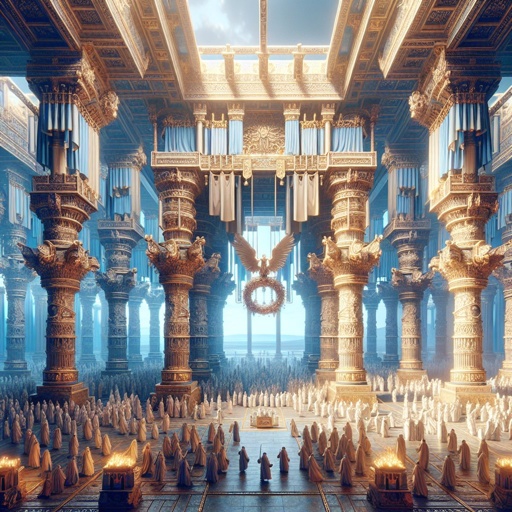
Exodus 27:12 - "¶ And for the breadth of the court on the west side shall be hangings of fifty cubits: their pillars ten, and their sockets ten."