What does Exodus 27:9 mean?
“And thou shalt make the court of the tabernacle: for the south side southward there shall be hangings for the court of fine twined linen of an hundred cubits long for one side:” — Exodus 27:9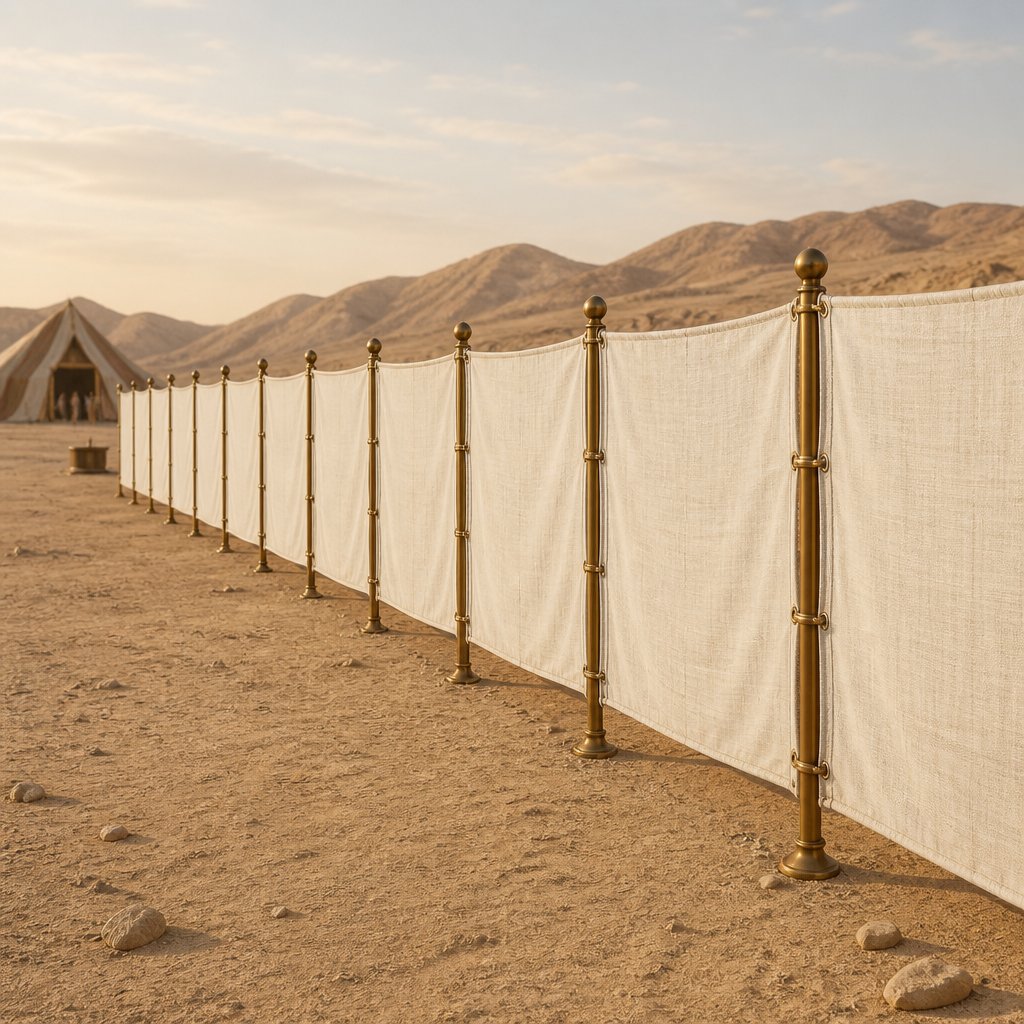
Exodus 27:9 in the King James Version of the Bible states: "And thou shalt make the court of the tabernacle: for the south side southward there shall be hangings for the court of fine twined linen of an hundred cubits long for one side." This verse is located in the Old Testament book of Exodus, which is the second book of the Bible. The book of Exodus primarily focuses on the story of the Israelites' departure from Egypt, their journey through the wilderness, and the establishment of the covenant relationship between God and the Israelites.
In this particular verse, the Lord is giving instructions to Moses regarding the construction of the tabernacle, which was to serve as a sacred dwelling place for God among the Israelites during their time in the wilderness. The tabernacle was to be a place of worship, sacrifice, and encounter with the divine presence. The specific detail mentioned in Exodus 27:9 pertains to the construction of the court of the tabernacle, which was to be enclosed by fine twined linen hangings on the south side.
One of the key themes that can be derived from this verse is the importance of sacred space and the intentionality of worship. The detailed instructions for the construction of the tabernacle signify the significance of creating a space that is set apart for encountering God. This emphasis on sacred space and intentional worship is a recurring theme throughout the Bible, as it highlights the human desire for connection with the divine and the need for physical manifestations of that desire.
Another theme that can be explored in this verse is the concept of separation and holiness. The tabernacle and its court were set apart from the rest of the camp, signifying the holiness of the space and the need for separation from the ordinary. This theme of separation is also reflected in the importance of the fine twined linen hangings, which served as a barrier between the sacred space of the tabernacle and the outside world. This emphasis on holiness and separation underscores the sacred nature of the tabernacle and the need for reverence in approaching God.
Furthermore, the construction of the tabernacle can be seen as a symbol of the Israelites' commitment to their relationship with God. By meticulously following the instructions for the tabernacle's construction, the Israelites demonstrated their dedication and obedience to God's will. This theme of obedience and commitment to God's commands is a recurring motif throughout the Bible, emphasizing the importance of faithfulness and adherence to divine guidance.
Additionally, the construction of the tabernacle and its court points to the deeper spiritual reality of God's desire to dwell among his people. The physical structure of the tabernacle served as a tangible representation of God's presence in the midst of the Israelite community. This concept is further expanded upon in the New Testament, where the apostle Paul refers to the human body as a temple of the Holy Spirit (1 Corinthians 6:19-20), highlighting the continued relevance of this theme in the Christian faith.
In conclusion, Exodus 27:9 offers a rich tapestry of themes and symbolism that point to the significance of sacred space, separation, obedience, and the divine desire to dwell among humanity. The detailed instructions for the construction of the tabernacle and its court serve as a reminder of the human longing for connection with the divine and the intentionality of worship. This verse not only provides historical and cultural context for the Israelites' religious practices, but also conveys timeless truths about the nature of God and the human experience of faith.
Get our apps


Artwork for Exodus 27:9

Exodus 27:9 - "¶ And thou shalt make the court of the tabernacle: for the south side southward there shall be hangings for the court of fine twined linen of an hundred cubits long for one side:"
"¶ And thou shalt make the court of the tabernacle: for the south side southward there shall be hangings for the court of fine twined linen of an hundred cubits long for one side:" - Exodus 27:9

Exodus 9:27 - "¶ And Pharaoh sent, and called for Moses and Aaron, and said unto them, I have sinned this time: the LORD is righteous, and I and my people are wicked."

Exodus 27:20

Exodus 27:20

Exodus 27:20

Exodus 27:19-20

Exodus 27:1-8

Exodus 23:27-28

exodus 27:3 forks

Exodus 27:19-21

Exodus 27:20 the lamp is made of brass

1 Corinthians 9:25-27

1 Corinthians 9:25-27

Exodus 36:27 - "And for the sides of the tabernacle westward he made six boards."

Exodus 35:27 - "And the rulers brought onyx stones, and stones to be set, for the ephod, and for the breastplate;"

Exodus 27:13 - "And the breadth of the court on the east side eastward shall be fifty cubits."

1 Corinthians 9:25-27

1 Corinthians 9:25-27

Exodus 40:27 - "And he burnt sweet incense thereon; as the LORD commanded Moses."

Exodus 30:27 - "And the table and all his vessels, and the candlestick and his vessels, and the altar of incense,"

Exodus 25:27 - "Over against the border shall the rings be for places of the staves to bear the table."

Exodus 10:27 - "¶ But the LORD hardened Pharaoh's heart, and he would not let them go."

Exodus 39:27 - "¶ And they made coats of fine linen of woven work for Aaron, and for his sons,"

Exodus 27:15 - "And on the other side shall be hangings fifteen cubits: their pillars three, and their sockets three."
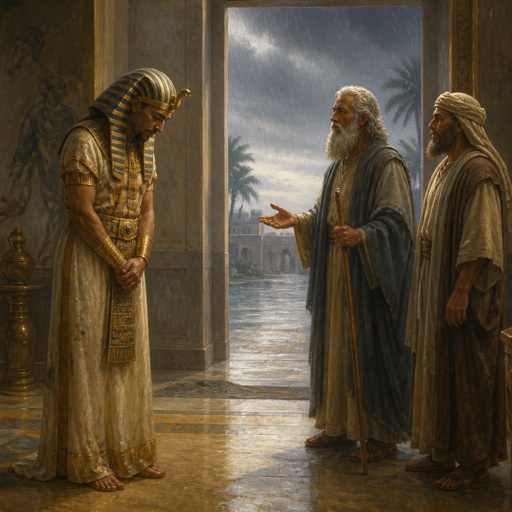
"¶ And Pharaoh sent, and called for Moses and Aaron, and said unto them, I have sinned this time: the LORD is righteous, and I and my people are wicked." - Exodus 9:27

Exodus 40:9
Exodus 2:9

Exodus 2:9

Exodus 27:7 - "And the staves shall be put into the rings, and the staves shall be upon the two sides of the altar, to bear it."