What does Exodus 28:32 mean?
“And there shall be an hole in the top of it, in the midst thereof: it shall have a binding of woven work round about the hole of it, as it were the hole of an habergeon, that it be not rent.” — Exodus 28:32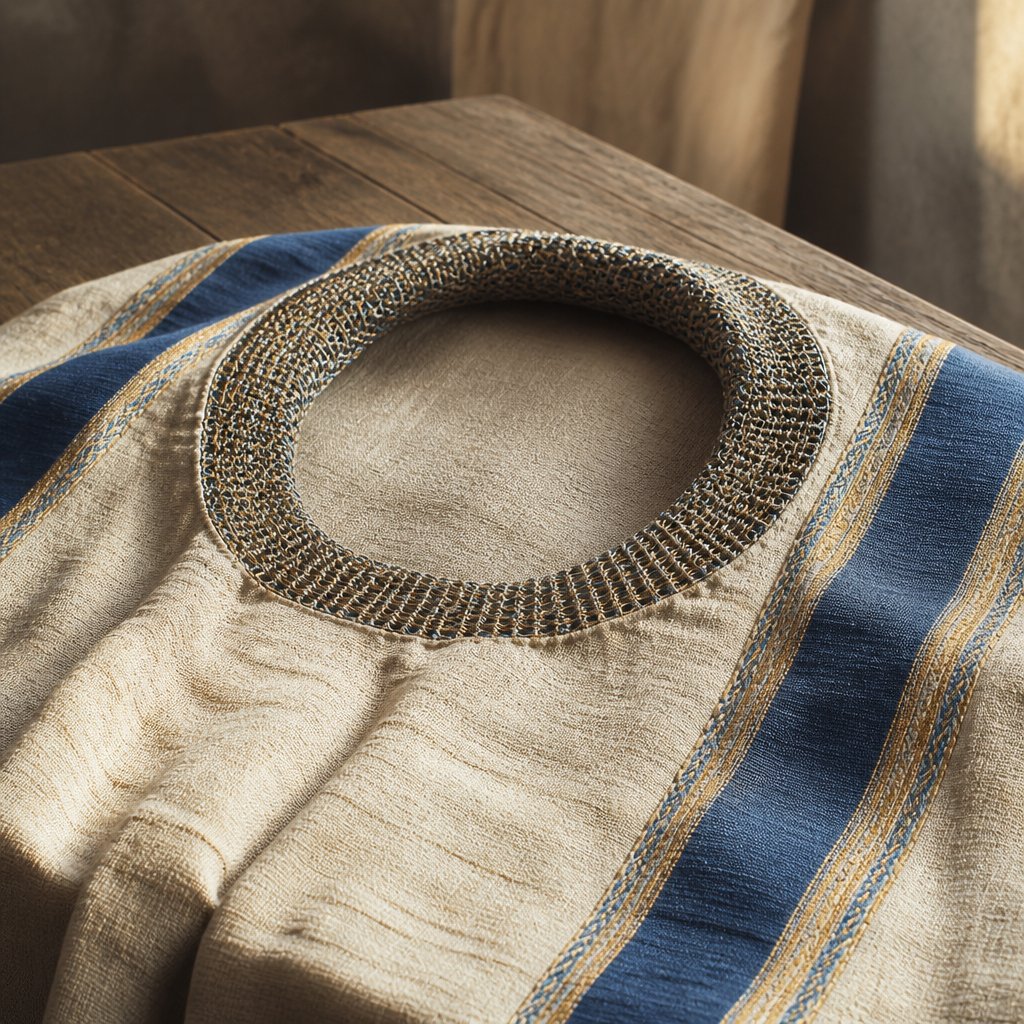
Exodus 28:32 in the King James Version of the Bible reads, "And there shall be an hole in the top of it, in the midst thereof: it shall have a binding of woven work round about the hole of it, as it were the hole of an habergeon, that it be not rent." This verse is part of the detailed instructions given by God to Moses for the construction of the priestly garments, specifically the ephod, which was a sleeveless garment worn by the high priest.
The significance of this verse lies in its inclusion in the intricate instructions for the construction of the ephod, which was an essential part of the high priest's attire. The ephod was a symbol of the high priest's authority and the presence of God among the people. It was intricately woven with gold, blue, purple, and scarlet yarn, as well as finely twisted linen, and adorned with precious stones symbolizing the twelve tribes of Israel. The addition of a hole and a binding of woven work at the top of the ephod highlights the attention to detail and the reverence for the sacredness of the priestly garments.
The hole in the top of the ephod symbolizes access to God and His presence. Through this opening, the high priest could seek guidance and direction from God, and intercede on behalf of the people. It serves as a reminder of the high priest's role as a mediator between God and the people, representing their needs and concerns before the Lord. The binding of woven work around the hole signifies the protection and preservation of the sacred space within the ephod, ensuring that it remains intact and undamaged.
The reference to the "habergeon" in this verse is significant as well. A habergeon was a type of ancient armor, typically made of chainmail, worn for protection in battle. By likening the hole in the ephod to the hole of a habergeon, the verse emphasizes the importance of safeguarding the sacred space within the garment. It conveys the idea that just as a habergeon provided protection for the wearer in battle, so too does the binding of woven work protect the sanctity of the ephod and the high priest's role in serving God and the people.
In a broader context, the detailed instructions for the construction of the priestly garments reflect the meticulous care and reverence with which the Israelites were to approach the worship of God. Every aspect of the priestly attire was designed to communicate the holiness and set-apart nature of the priesthood and the tabernacle. The ephod, in particular, symbolized the high priest's authority, leadership, and intercessory role on behalf of the people before God.
The symbolism of the ephod and its components extends beyond the physical garment and has spiritual significance as well. The hole in the top of the ephod can be seen as a representation of the access believers have to God through prayer and intercession. The binding of woven work serves as a reminder of the protection and preservation of the sacred space within, mirroring the spiritual safeguarding of our relationship with God through the work of Christ.
In conclusion, Exodus 28:32 and the surrounding verses provide a glimpse into the meticulous and symbolic design of the priestly garments, emphasizing the reverence and holiness with which the Israelites were to approach the worship of God. The inclusion of a hole and a binding of woven work at the top of the ephod serves as a powerful symbol of access to God, the protection of the sacred space, and the high priest's role as a mediator. In a broader context, this verse underscores the importance of approaching God with reverence and care, and the spiritual significance of the priestly garments resonates with believers today as a reminder of our access to God and the safeguarding of our relationship with Him.
Get our apps


Artwork for Exodus 28:32

Exodus 28:32 - "And there shall be an hole in the top of it, in the midst thereof: it shall have a binding of woven work round about the hole of it, as it were the hole of an habergeon, that it be not rent."

"And there shall be an hole in the top of it, in the midst thereof: it shall have a binding of woven work round about the hole of it, as it were the hole of an habergeon, that it be not rent." - Exodus 28:32

Exodus 32:28

Exodus 32:28 - "And the children of Levi did according to the word of Moses: and there fell of the people that day about three thousand men."

"And the children of Levi did according to the word of Moses: and there fell of the people that day about three thousand men." - Exodus 32:28
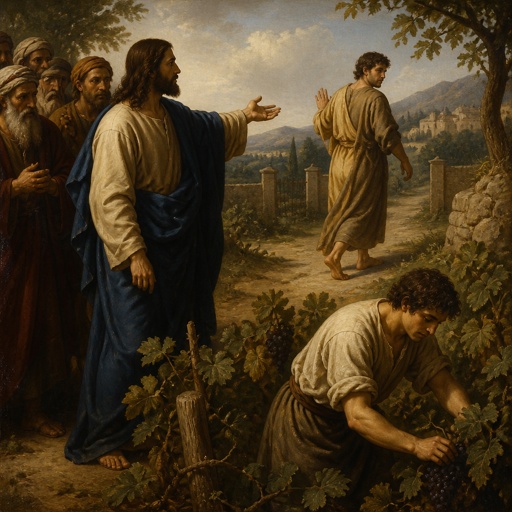
Matthew 21:28-32

Exodus 32:31-32 So Moses returned to the LORD and said, “Oh, what a great sin these people have committed! They have made gods of gold for themselves. / Yet now, if You would only forgive their sin.... But if not, please blot me out of the book that You have written.” Exodus 32:31-32

Deuteronomy 32:28 - "For they are a nation void of counsel, neither is there any understanding in them."

Exodus 22:28

Exodus 28:4

Exodus 22:28

Exodus 23:28

Exodus 22:28

Exodus 22:28

Exodus 22:28

exodus 28 ephod

Exodus 28:4

Exodus 28:4

Exodus 22:28

Exodus 28:4

Exodus 22:28

Exodus 22:28

Exodus 22:28

Exodus 22:28

Exodus 22:28

Exodus 23:28

Exodus 22:28

Exodus 22:28

Exodus 22:28

Exodus 32:32 - "Yet now, if thou wilt forgive their sin--; and if not, blot me, I pray thee, out of thy book which thou hast written."