What does Exodus 29:27 mean?
"And thou shalt sanctify the breast of the wave offering, and the shoulder of the heave offering, which is waved, and which is heaved up, of the ram of the consecration, even of that which is for Aaron, and of that which is for his sons:" - Exodus 29:27
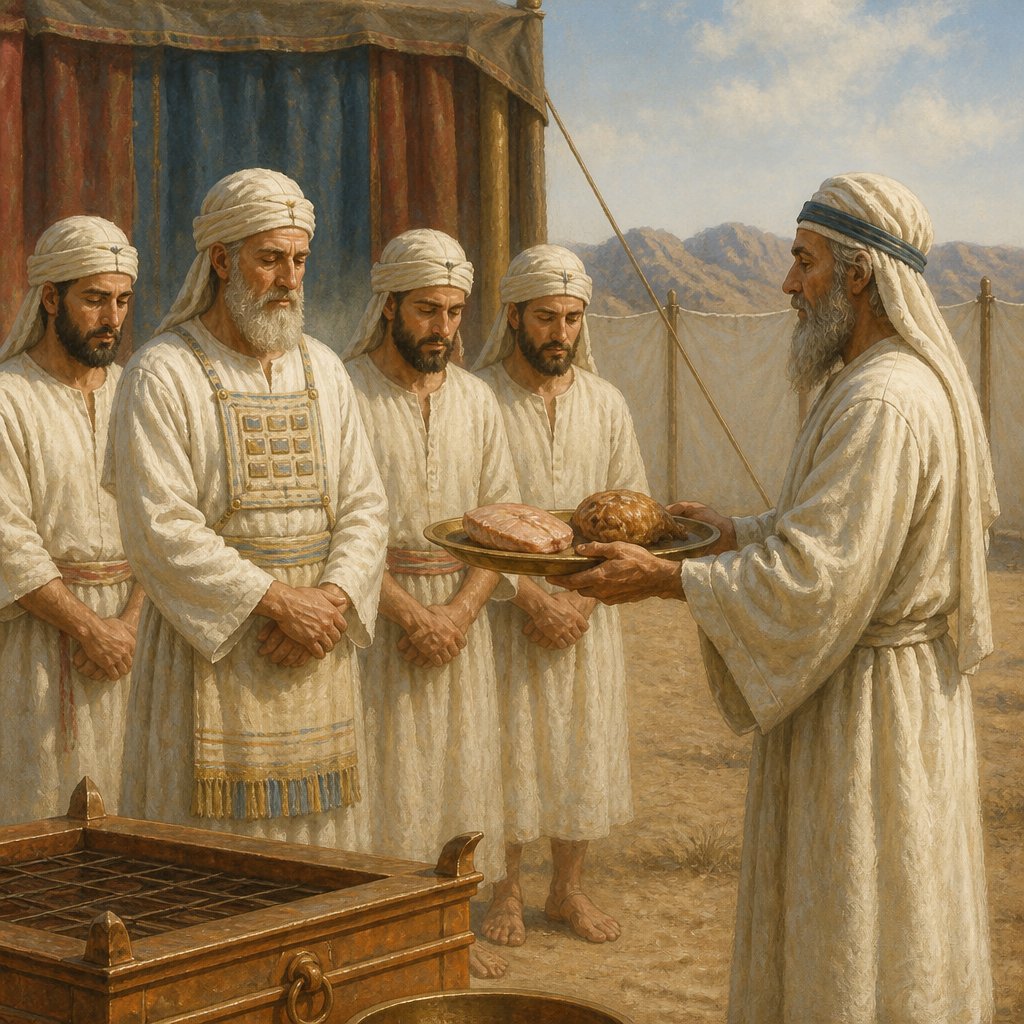
Exodus 29:27 in the King James Version of the Bible reads, "And thou shalt sanctify the breast of the wave offering, and the shoulder of the heave offering, which is waved, and which is heaved up, of the ram of the consecration, even of that which is for Aaron, and of that which is for his sons."
This verse is part of a larger passage in the book of Exodus that describes the consecration of Aaron and his sons as priests. In this chapter, God gives Moses detailed instructions on how the priests are to be consecrated and how they are to perform various types of offerings for the forgiveness of sin and the atonement of the people. This specific verse focuses on the sanctification of the breast and shoulder of the ram that is being offered as a wave offering and a heave offering.
The breast and shoulder of the ram are important symbols in this verse. The breast is often associated with love, nurturing, and sustenance, while the shoulder is often associated with strength and responsibility. By sanctifying these parts of the ram as offerings to God, the priests are symbolically offering their love, strength, and responsibility to serve and honor God. This act of sanctification is meant to set apart these offerings as holy and dedicated to the service of God.
The wave offering and heave offering described in this verse also hold significance. The wave offering involves waving the offering back and forth, symbolizing the presentation of the offering to God and his acceptance of it. The heave offering involves lifting the offering up and down, symbolizing the dedication of the offering to God. Together, these actions demonstrate the priests' acknowledgment of God's authority and their commitment to serving him.
It's important to consider the historical and cultural context in which these instructions were given. In ancient Israelite society, the role of the priest was crucial in mediating between the people and God. The rituals and offerings described in the book of Exodus were central to the religious life of the Israelites, as they were believed to bring about forgiveness of sin and reconciliation with God. By following these instructions, the priests were demonstrating their obedience and faithfulness to God.
This verse also carries themes of consecration, sacrifice, and dedication. The act of sanctifying the breast and shoulder of the ram is a symbolic representation of the priests consecrating themselves to the service of God. It highlights the sacrificial nature of their role, as they offer up the best parts of the ram as a symbol of their commitment to God. The dedication of these offerings serves as a reminder of the priests' ongoing responsibility to serve God and the people with love and strength.
In a broader sense, this verse can also be seen as a foreshadowing of the ultimate sacrifice of Jesus Christ. Just as the priests offered the ram as a sacrifice for the forgiveness of sin, Jesus offered himself as the ultimate sacrifice for the sins of all humanity. The themes of consecration, sacrifice, and dedication found in this verse ultimately point to the redemptive work of Christ and the eternal priesthood that he holds as the perfect mediator between God and humanity.
In conclusion, Exodus 29:27 serves as a significant part of the larger narrative of the consecration of the priests in the book of Exodus. It carries themes of consecration, sacrifice, and dedication, and its symbolism points to the priests' role as mediators between God and the people. Ultimately, this verse foreshadows the redemptive work of Christ and the eternal priesthood that he holds. It reminds us of the importance of offering ourselves to God in love, strength, and dedication, just as the priests did in ancient Israel.
Have questions about Exodus 29:27?
Dive deeper into this scripture with Bible Chat — an AI-powered tool for exploring God's Word through conversation. Ask questions, get context, and grow in your understanding of the Bible.
Get Our Apps


Exodus 29:27 Artwork

Exodus 29:27 - "And thou shalt sanctify the breast of the wave offering, and the shoulder of the heave offering, which is waved, and which is heaved up, of the ram of the consecration, even of that which is for Aaron, and of that which is for his sons:"
"And thou shalt sanctify the breast of the wave offering, and the shoulder of the heave offering, which is waved, and which is heaved up, of the ram of the consecration, even of that which is for Aaron, and of that which is for his sons:" - Exodus 29:27

Exodus 27:20

Exodus 27:20

Exodus 29:29 - "¶ And the holy garments of Aaron shall be his sons' after him, to be anointed therein, and to be consecrated in them."

1 Samuel 20:27-29

Exodus 27:20

Exodus 23:28-29

Exodus 27:19-20

Exodus 27:1-8

Exodus 23:27-28

exodus 27:3 forks

Exodus 27:19-21

Exodus 13:17-14:29

Exodus 29:45 - "¶ And I will dwell among the children of Israel, and will be their God."

Proverbs 29:27 - "An unjust man is an abomination to the just: and he that is upright in the way is abomination to the wicked."

The Plague of Darkness - Exodus 10:21-29

The Plague of Darkness - Exodus 10:21-29

The Plague of Darkness - Exodus 10:21-29

The Plague of Darkness - Exodus 10:21-29

The Plague of Darkness - Exodus 10:21-29

The Plague of Darkness - Exodus 10:21-29

The Plague on the Firstborn - Exodus 12:29-38

The Plague of Darkness - Exodus 10:21-29

The Plague on the Firstborn - Exodus 12:29-38

The Plague on the Firstborn - Exodus 12:29-38

The Plague of Darkness - Exodus 10:21-29

The Plague of Darkness - Exodus 10:21-29

The Plague of Darkness - Exodus 10:21-29

Deuteronomy 29:27 - "And the anger of the LORD was kindled against this land, to bring upon it all the curses that are written in this book:"