What does Exodus 2:23 mean?
“And it came to pass in process of time, that the king of Egypt died: and the children of Israel sighed by reason of the bondage, and they cried, and their cry came up unto God by reason of the bondage.” — Exodus 2:23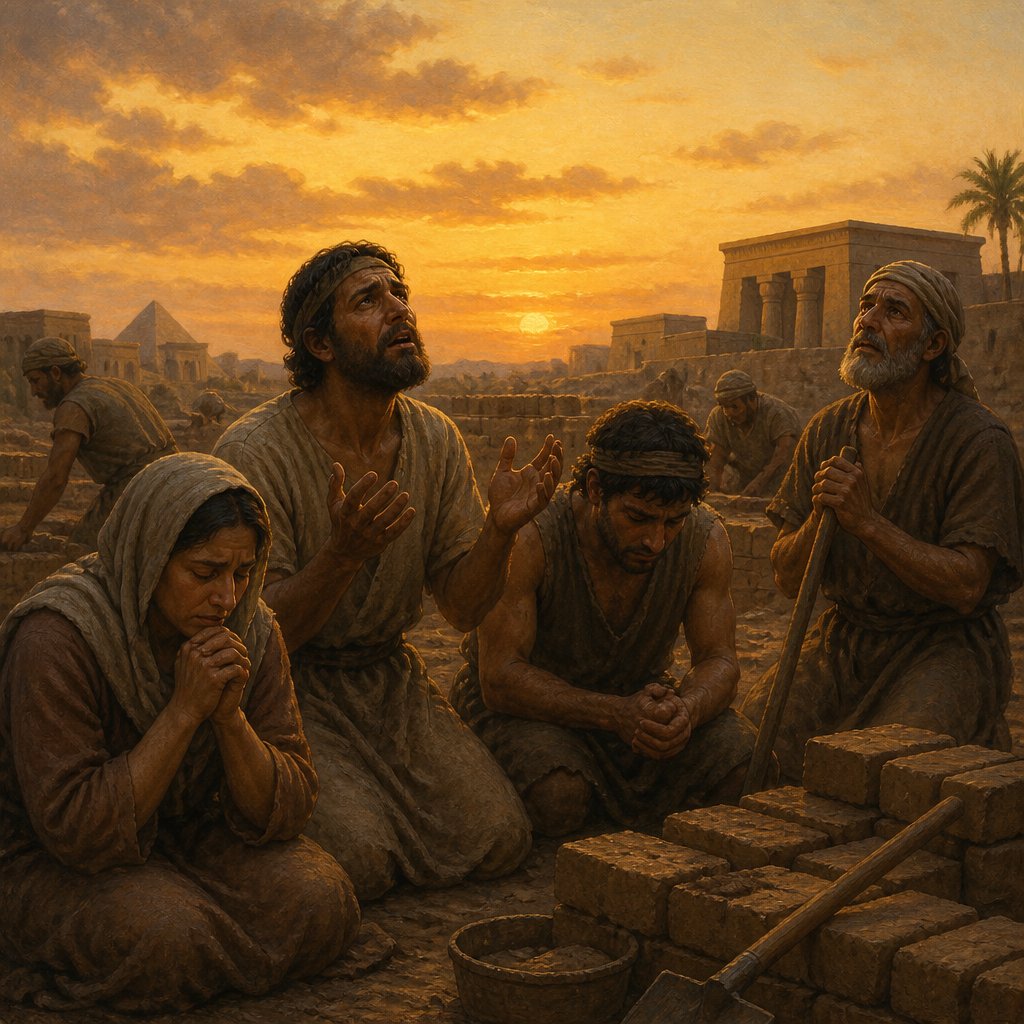
Exodus 2:23 in the King James Version reads, "And it came to pass in process of time, that the king of Egypt died: and the children of Israel sighed by reason of the bondage, and they cried, and their cry came up unto God by reason of the bondage."
This verse marks a significant turning point in the story of the Israelites' deliverance from slavery in Egypt. It comes as a result of the Israelites' long and arduous period of suffering and oppression at the hands of the Egyptians. The verse reflects the groaning and cries of the people as they endured the harsh and unjust treatment imposed upon them.
The thematic significance of this verse lies in the expression of the Israelites' despair and their crying out to God for deliverance. The verse emphasizes the darkness and hopelessness experienced by a people who are oppressed and enslaved. It highlights the depth of their suffering and their yearning for freedom and justice.
In its broader context, this verse is situated within the narrative of the book of Exodus, which recounts the Israelites' journey from slavery in Egypt to freedom in the Promised Land. The book of Exodus serves as a powerful and enduring symbol of liberation, redemption, and the fulfillment of God's promises. The verse in question serves as a crucial moment in this narrative, capturing the poignant and desperate plight of the Israelites under the oppressive rule of the Pharaoh.
The symbolic significance of this verse is deeply rooted in the broader themes of deliverance, faith, and divine intervention. The image of the Israelites sighing and crying out to God reflects their enduring faith and their reliance on divine assistance to bring them out of bondage. It also underscores the theme of God's responsiveness to the cries of the oppressed and his role as a deliverer and savior.
Moreover, the verse serves as a powerful reminder of the timeless reality of human suffering and the yearning for liberation. It speaks to the universal human experience of injustice, oppression, and the longing for freedom. In this sense, the verse resonates with all who have experienced hardship and adversity and offers hope in the promise of deliverance and transformation.
The verse also points to the power of collective resistance and solidarity in the face of oppression. The Israelites' collective groaning and crying out to God reflects their shared determination to seek freedom and justice. It reminds us of the importance of standing together in the face of injustice and of the transformative potential of communal action.
In sum, Exodus 2:23 in the King James Version encapsulates a pivotal moment in the story of the Israelites' deliverance from slavery in Egypt. It serves as a poignant expression of the Israelites' suffering and their cry for deliverance, while also carrying profound thematic, contextual, and symbolic significance. The verse stands as a timeless testimony to the enduring power of faith, the human yearning for freedom, and the transformative potential of divine intervention.
Get our apps


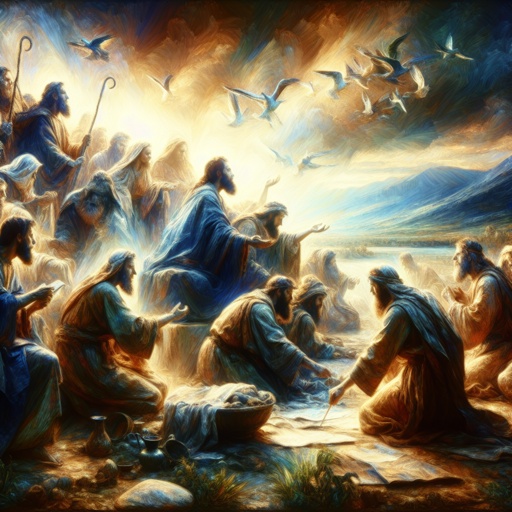
Artwork for Exodus 2:23

Exodus 2:23 - "¶ And it came to pass in process of time, that the king of Egypt died: and the children of Israel sighed by reason of the bondage, and they cried, and their cry came up unto God by reason of the bondage."

Exodus 2:23-25 - "During that long period, the king of Egypt died. The Israelites groaned in their slavery and cried out, and their cry for help because of their slavery went up to God. God heard their groaning and he remembered his covenant with Abraham, with Isaac and with Jacob. So God looked on the Israelites and was concerned about them."
"¶ And it came to pass in process of time, that the king of Egypt died: and the children of Israel sighed by reason of the bondage, and they cried, and their cry came up unto God by reason of the bondage." - Exodus 2:23
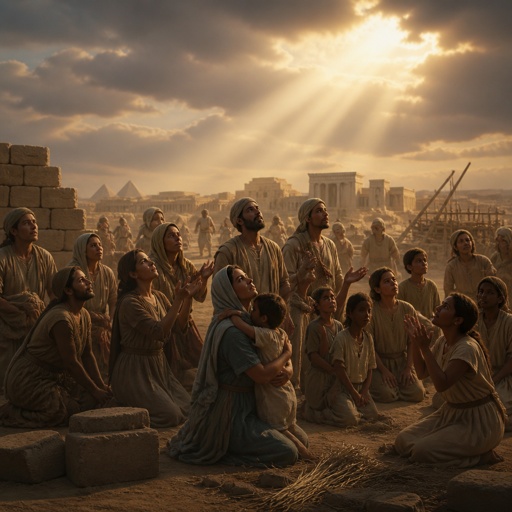
"During that long period, the king of Egypt died. The Israelites groaned in their slavery and cried out, and their cry for help because of their slavery went up to God. God heard their groaning and he remembered his covenant with Abraham, with Isaac and with Jacob. So God looked on the Israelites and was concerned about them." - Exodus 2:23-25
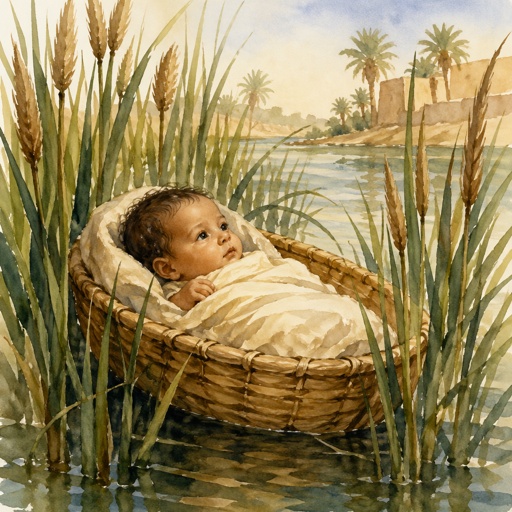
Exodus 2:3 baby Moses in bulrushes

Exodus 23:2 - "¶ Thou shalt not follow a multitude to do evil; neither shalt thou speak in a cause to decline after many to wrest judgment:"

Exodus 23:20

Exodus 23:4

Exodus 23:28

Exodus 15:23
Exodus 15:23

Exodus 23:4

Exodus 23:28

Exodus 2:3 - "And when she could not longer hide him, she took for him an ark of bulrushes, and daubed it with slime and with pitch, and put the child therein; and she laid it in the flags by the river's brink."

Exodus 23:27-28

Exodus 23:28-29

Exodus 23:32 - "Thou shalt make no covenant with them, nor with their gods."

Exodus 23:6 - "Thou shalt not wrest the judgment of thy poor in his cause."

Exodus 23:23 - "For mine Angel shall go before thee, and bring thee in unto the Amorites, and the Hittites, and the Perizzites, and the Canaanites, the Hivites, and the Jebusites: and I will cut them off."

Exodus 21:23 - "And if any mischief follow, then thou shalt give life for life,"

Exodus 23:3 - "¶ Neither shalt thou countenance a poor man in his cause."

Exodus 26:23 - "And two boards shalt thou make for the corners of the tabernacle in the two sides."

Exodus 36:23 - "And he made boards for the tabernacle; twenty boards for the south side southward:"

Exodus 23:14 - "¶ Three times thou shalt keep a feast unto me in the year."

Exodus 23:8 - "¶ And thou shalt take no gift: for the gift blindeth the wise, and perverteth the words of the righteous."

Exodus 8:23 - "And I will put a division between my people and thy people: to morrow shall this sign be."

Exodus 39:23 - "And there was an hole in the midst of the robe, as the hole of an habergeon, with a band round about the hole, that it should not rend."

Exodus 23:10 - "And six years thou shalt sow thy land, and shalt gather in the fruits thereof:"

Exodus 40:23 - "And he set the bread in order upon it before the LORD; as the LORD had commanded Moses."

Exodus 23:1 - "Thou shalt not raise a false report: put not thine hand with the wicked to be an unrighteous witness."