What does Exodus 33:12 mean?
“And Moses said unto the LORD, See, thou sayest unto me, Bring up this people: and thou hast not let me know whom thou wilt send with me. Yet thou hast said, I know thee by name, and thou hast also found grace in my sight.” — Exodus 33:12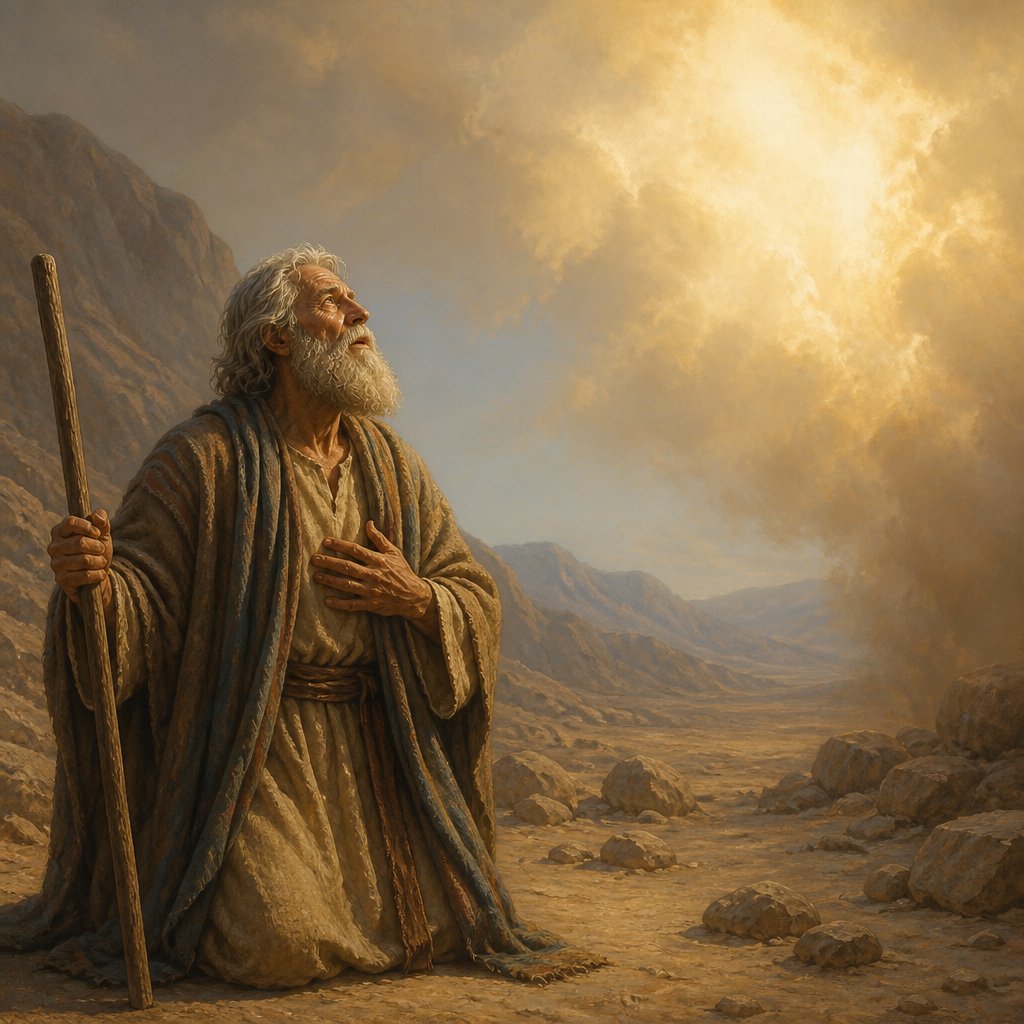
Exodus 33:12 in the King James Version states, "And Moses said unto the Lord, See, thou sayest unto me, Bring up this people: and thou hast not let me know whom thou wilt send with me. Yet thou hast said, I know thee by name, and thou hast also found grace in my sight." This verse occurs within the context of the Israelites' journey through the wilderness following their deliverance from slavery in Egypt.
In this passage, Moses is engaging in a conversation with God, expressing his concerns and seeking guidance. It is important to note the tone of Moses' approach to God; he addresses him with respect and reverence, acknowledging the authority and sovereignty of the Lord. This establishes a sense of humility and reliance on the divine guidance of God.
The verse begins with Moses addressing the Lord, expressing his confusion and doubt regarding God's plan for the Israelites. He questions why God has not revealed who will accompany him in leading the people. This is a pivotal moment in which Moses is expressing his vulnerability and uncertainty, highlighting the human aspect of his character. It is a reminder that even the most revered figures in biblical history faced moments of doubt and questioning.
Despite his uncertainty, Moses recalls God's assurance of knowing him by name and finding grace in his sight. This serves as a source of comfort and reiteration of God's faithfulness and favor towards Moses. It speaks to the idea of God's intimate knowledge and personal relationship with his people, even amidst their uncertainties and shortcomings.
The themes present in this verse include trust, obedience, and divine guidance. Moses demonstrates a deep level of trust in God, despite his doubts and lack of clarity. His willingness to engage in dialogue with God reflects his obedience and submission to the divine will. This emphasizes the importance of seeking God's guidance and trusting in his plan, even when faced with uncertainty.
Furthermore, the passage serves as a reminder of the importance of communication and transparency in our relationship with God. Moses openly expresses his concerns and seeks clarity from God, demonstrating the value of honest and open communication in our spiritual journey.
The context of this verse within the larger narrative of the Israelites' journey through the wilderness is significant. It occurs at a crucial point in their journey, as they await further instructions and guidance from God. This moment of dialogue between Moses and God sets the stage for the subsequent events and decisions that will shape the fate of the Israelites.
Symbolism can be found in the exchange between Moses and God, representing the dynamic relationship between humanity and the divine. Moses' willingness to seek guidance and his humility in addressing God symbolize the human reliance on God's wisdom and guidance. It serves as a reminder of the importance of faith and trust in God's plan, despite the uncertainties and challenges that we may face.
In conclusion, Exodus 33:12 from the King James Version holds deep meaning and significance within the broader themes of trust, obedience, and divine guidance. It serves as a source of encouragement and a reminder of the value of open communication and reliance on God's wisdom. The context and symbolism within this verse further enhance its relevance in the biblical narrative, highlighting the enduring truths and lessons it offers for believers.
Get our apps


Artwork for Exodus 33:12

Exodus 33:12 - "¶ And Moses said unto the LORD, See, thou sayest unto me, Bring up this people: and thou hast not let me know whom thou wilt send with me. Yet thou hast said, I know thee by name, and thou hast also found grace in my sight."
"¶ And Moses said unto the LORD, See, thou sayest unto me, Bring up this people: and thou hast not let me know whom thou wilt send with me. Yet thou hast said, I know thee by name, and thou hast also found grace in my sight." - Exodus 33:12

Exodus 12:33

Exodus 12:33 - "And the Egyptians were urgent upon the people, that they might send them out of the land in haste; for they said, We be all dead men."

Exodus 26:31-33

Exodus 33:6 - "And the children of Israel stripped themselves of their ornaments by the mount Horeb."
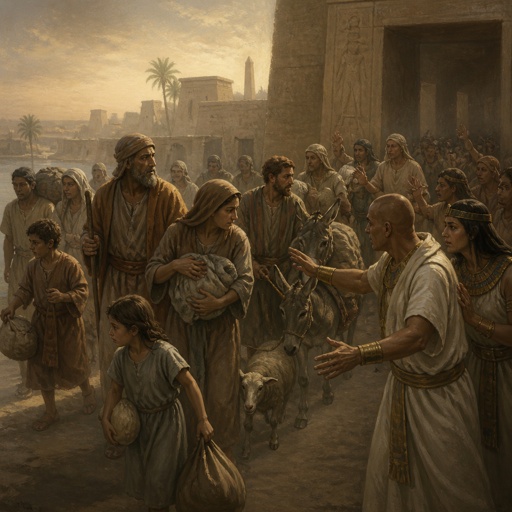
"And the Egyptians were urgent upon the people, that they might send them out of the land in haste; for they said, We be all dead men." - Exodus 12:33

Nehemiah 12:33 - "And Azariah, Ezra, and Meshullam,"

Exodus 33:18 - "And he said, I beseech thee, shew me thy glory."

Exodus 12:12

Exodus 33:21 - "And the LORD said, Behold, there is a place by me, and thou shalt stand upon a rock:"

Exodus 33:14 - "And he said, My presence shall go with thee, and I will give thee rest."

Exodus 34:33 - "And till Moses had done speaking with them, he put a vail on his face."

Exodus 35:33 - "And in the cutting of stones, to set them, and in carving of wood, to make any manner of cunning work."

Exodus 36:33 - "And he made the middle bar to shoot through the boards from the one end to the other."

Exodus 33:15 - "And he said unto him, If thy presence go not with me, carry us not up hence."

Exodus 33:4 - "¶ And when the people heard these evil tidings, they mourned: and no man did put on him his ornaments."

Exodus 33:20 - "And he said, Thou canst not see my face: for there shall no man see me, and live."

Exodus 21:33 - "¶ And if a man shall open a pit, or if a man shall dig a pit, and not cover it, and an ox or an ass fall therein;"

Numbers 33:12 - "And they took their journey out of the wilderness of Sin, and encamped in Dophkah."

Exodus 33:2 - "And I will send an angel before thee; and I will drive out the Canaanite, the Amorite, and the Hittite, and the Perizzite, the Hivite, and the Jebusite:"

Exodus 33:9 - "And it came to pass, as Moses entered into the tabernacle, the cloudy pillar descended, and stood at the door of the tabernacle, and the LORD talked with Moses."

"And Azariah, Ezra, and Meshullam," - Nehemiah 12:33

John 12:33 - "This he said, signifying what death he should die."

Exodus 32:33 - "And the LORD said unto Moses, Whosoever hath sinned against me, him will I blot out of my book."

Exodus 33:23 - "And I will take away mine hand, and thou shalt see my back parts: but my face shall not be seen."

Exodus 3:12

Exodus 3:12

Exodus 3:12

Exodus 3:12