What does Exodus 34:18 mean?
“The feast of unleavened bread shalt thou keep. Seven days thou shalt eat unleavened bread, as I commanded thee, in the time of the month Abib: for in the month Abib thou camest out from Egypt.” — Exodus 34:18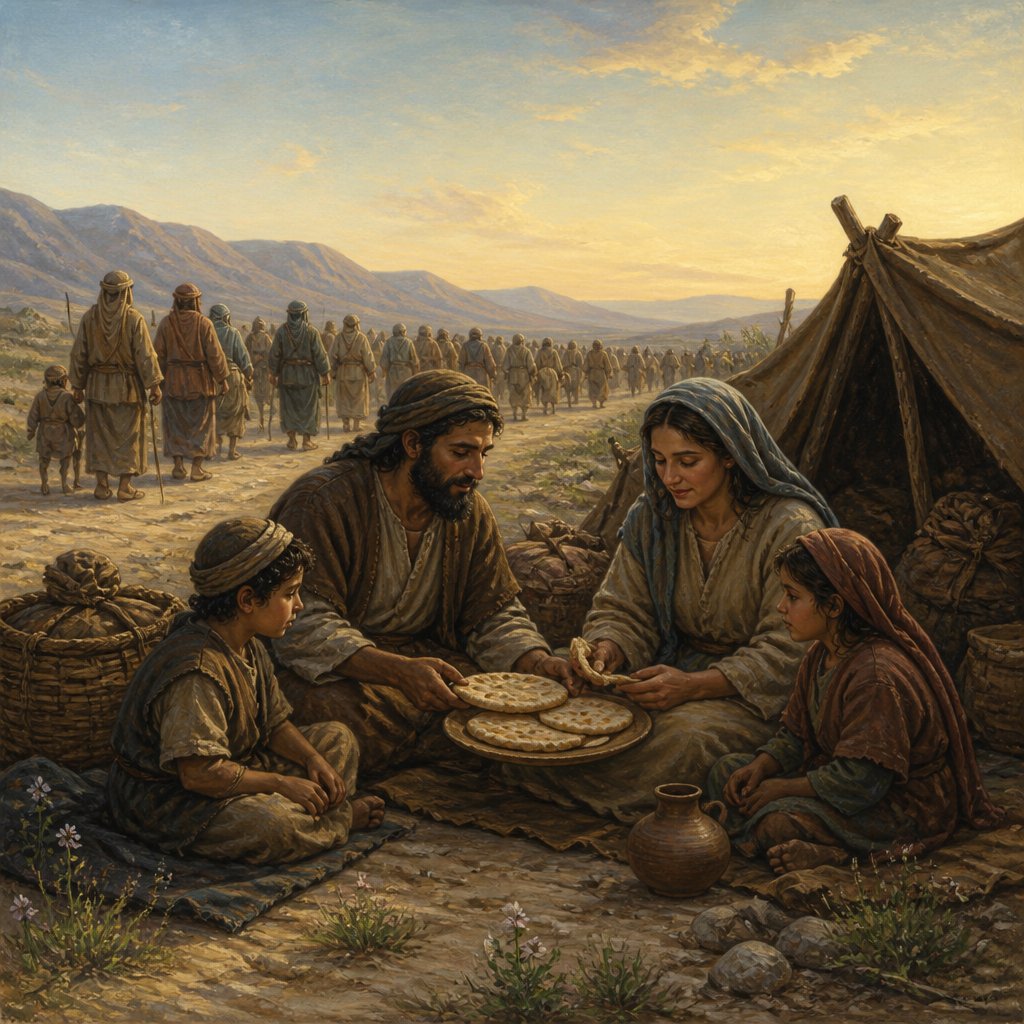
Exodus 34:18 in the King James Version of the Bible reads: "The feast of unleavened bread shalt thou keep. Seven days thou shalt eat unleavened bread, as I commanded thee, in the time of the month of Abib: for in the month of Abib thou camest out from Egypt."
This verse is part of the Old Testament, specifically from the book of Exodus. It refers to the feast of unleavened bread, which was a significant event in the religious and cultural life of the ancient Israelites. In order to understand the meaning and significance of this verse, it is important to delve into the context, themes, and symbolism surrounding the feast of unleavened bread and its mention in the book of Exodus.
The feast of unleavened bread was a commemoration of the Israelites' exodus from Egypt. According to the biblical narrative, the Israelites were enslaved in Egypt for generations until the time came for them to be liberated by the hand of God through the leadership of Moses. The feast of unleavened bread was closely tied to the Passover, which commemorated the tenth plague in Egypt when God struck down the firstborn of the Egyptians but spared the Israelites who had marked their doorposts with the blood of a lamb.
The feast of unleavened bread lasted for seven days and was a time of remembrance and celebration of the Israelites' deliverance from bondage. During this period, the Israelites were commanded to eat unleavened bread, which symbolized the haste with which they had to leave Egypt. They did not have time to allow their bread to rise, so they baked it without leaven.
One of the key themes in this verse is the idea of remembrance and obedience. God commanded the Israelites to observe the feast of unleavened bread as a way of remembering and acknowledging the deliverance and providence of God in their lives. By obeying this commandment, the Israelites were expressing their gratitude and faithfulness to God, acknowledging His role as their deliverer and sustainer.
Another important theme is the idea of liberation and freedom. The feast of unleavened bread was a powerful symbol of the Israelites' release from bondage in Egypt. It served as a reminder of their newfound freedom and the miraculous interventions of God on their behalf. This theme of liberation is central to the identity and history of the Israelite people and is a recurring motif throughout the Old Testament.
The mention of the month of Abib in the verse also holds significance. The month of Abib, which corresponds to the period of late March to early April in the modern calendar, marked the beginning of the agricultural year in ancient Israel. It was a time of new life, growth, and renewal, and the feast of unleavened bread aligned with this season, reinforcing the themes of liberation and new beginnings.
Symbolically, the unleavened bread itself carries meaning within the biblical context. Leaven, or yeast, is often used as a symbol of impurity and corruption in the Bible, and the absence of leaven in the bread served as a visual representation of purity and holiness. The unleavened bread also pointed to the passover lamb, which was a symbol of sacrifice and atonement in the Israelite religious tradition.
In a broader sense, the feast of unleavened bread and its mention in Exodus 34:18 can be seen as a metaphor for spiritual liberation and renewal. The Israelites' deliverance from Egypt serves as a powerful reminder of God's faithfulness and redemptive power, which extends to all people who seek liberation from sin and bondage. By observing the feast of unleavened bread, the Israelites were participating in a ritual that reinforced their identity as a liberated and chosen people, set apart for God's purposes.
Overall, Exodus 34:18 and the feast of unleavened bread represent a rich tapestry of themes, symbols, and historical significance within the biblical narrative. It provides a compelling glimpse into the religious and cultural practices of the ancient Israelites and continues to hold relevance for contemporary readers as a testament to the enduring themes of remembrance, liberation, and spiritual renewal.
Get our apps


Artwork for Exodus 34:18

Exodus 34:18 - "¶ The feast of unleavened bread shalt thou keep. Seven days thou shalt eat unleavened bread, as I commanded thee, in the time of the month Abib: for in the month Abib thou camest out from Egypt."
"¶ The feast of unleavened bread shalt thou keep. Seven days thou shalt eat unleavened bread, as I commanded thee, in the time of the month Abib: for in the month Abib thou camest out from Egypt." - Exodus 34:18

Exodus 40: 34

Exodus 28:31-34

Psalm 34:18

Exodus 28:31-34

Exodus 28:31-34

Psalms 34:18

Psalms 34:18

Exodus 34:17 - "Thou shalt make thee no molten gods."

Matthew 18:23-34

Matthew 18:23-34

Matthew 18:23-34

Matthew 18:23-34

Exodus 34:5 - "And the LORD descended in the cloud, and stood with him there, and proclaimed the name of the LORD."

Exodus 40:34 - "¶ Then a cloud covered the tent of the congregation, and the glory of the LORD filled the tabernacle."

Exodus 34:8 - "And Moses made haste, and bowed his head toward the earth, and worshipped."

Exodus 34:13 - "But ye shall destroy their altars, break their images, and cut down their groves:"

Genesis 34:18 - "And their words pleased Hamor, and Shechem Hamor's son."

Exodus 34:33 - "And till Moses had done speaking with them, he put a vail on his face."

Exodus 34:14 - "For thou shalt worship no other god: for the LORD, whose name is Jealous, is a jealous God:"

Exodus 26:34 - "And thou shalt put the mercy seat upon the ark of the testimony in the most holy place."

Exodus 34:34 - "But when Moses went in before the LORD to speak with him, he took the vail off, until he came out. And he came out, and spake unto the children of Israel that which he was commanded."

Exodus 18

Exodus 16:34 - "As the LORD commanded Moses, so Aaron laid it up before the Testimony, to be kept."

Exodus 25:34 - "And in the candlestick shall be four bowls made like unto almonds, with their knops and their flowers."

Exodus 39:34 - "And the covering of rams' skins dyed red, and the covering of badgers' skins, and the vail of the covering,"

Exodus 12:34 - "And the people took their dough before it was leavened, their kneadingtroughs being bound up in their clothes upon their shoulders."

Exodus 36:34 - "And he overlaid the boards with gold, and made their rings of gold to be places for the bars, and overlaid the bars with gold."

Exodus 34:22 - "¶ And thou shalt observe the feast of weeks, of the firstfruits of wheat harvest, and the feast of ingathering at the year's end."