What does Exodus 3:1 mean?
“Now Moses kept the flock of Jethro his father in law, the priest of Midian: and he led the flock to the backside of the desert, and came to the mountain of God, even to Horeb.” — Exodus 3:1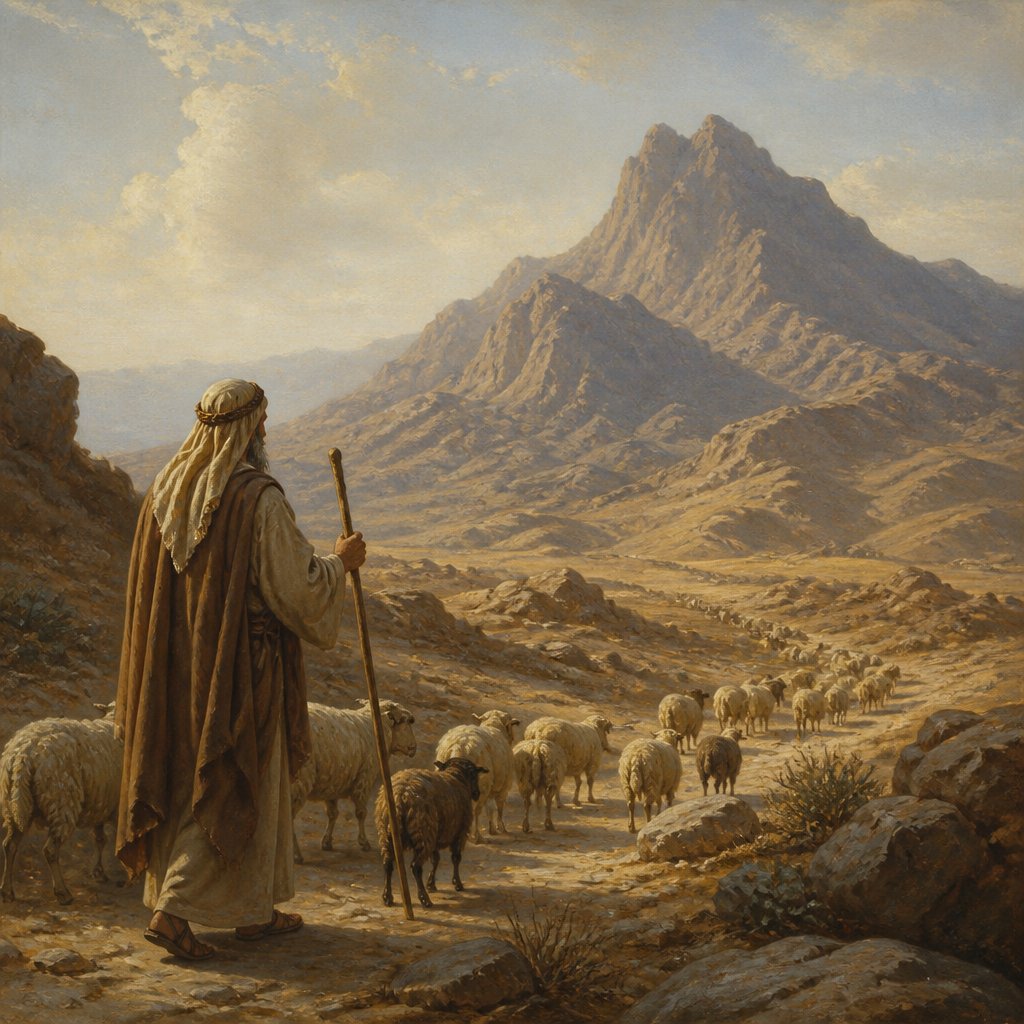
Exodus 3:1 in the King James Version of the Bible reads, "Now Moses kept the flock of Jethro his father in law, the priest of Midian: and he led the flock to the backside of the desert, and came to the mountain of God, even to Horeb." This verse marks the beginning of the encounter between Moses and God at the burning bush, a pivotal moment in the Israelites' history and an essential point in the narrative of the exodus from Egypt. This verse is rich in meaning and symbolism, and its themes of leadership, divine intervention, and obedience are crucial to understanding the story of Moses and the Israelites' journey to freedom.
First, let's examine the context of Exodus 3:1. At this point in the narrative, Moses has fled from Egypt after killing an Egyptian who was mistreating an Israelite. He has found refuge with Jethro, his father-in-law, and has taken on the role of a shepherd. This is a significant shift for Moses, who was raised in the Egyptian palace as the adopted son of Pharaoh's daughter. The wilderness and the life of a shepherd represent a humbling and transformative period for Moses, a time of preparation for the great task that lies ahead.
The mention of Jethro being a priest of Midian is also significant. The Midianites were a nomadic tribe, and their priestly role indicates a connection to the divine and an understanding of spiritual matters. This context sets the stage for the encounter that is about to unfold between Moses and God.
When Moses leads the flock to the backside of the desert and comes to the mountain of God, it is a foreshadowing of the profound encounter he is about to have. The use of the term "the mountain of God" signifies the sacredness and significance of this place. In many ancient cultures, mountains were seen as the dwelling places of the divine, and they were often associated with spiritual encounters and revelations. Horeb, also known as Mount Sinai, is where Moses will receive the Ten Commandments and the laws that will govern the Israelites as a nation.
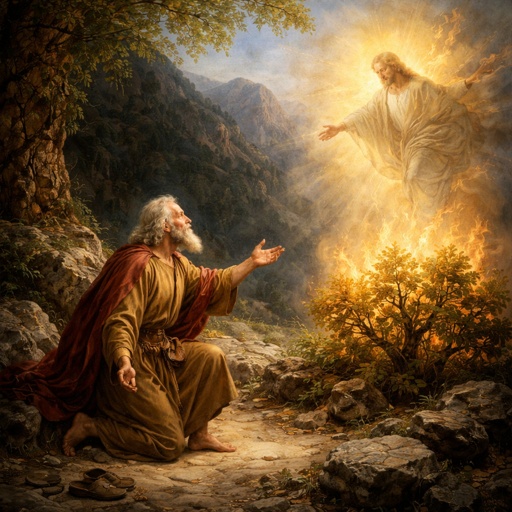
The burning bush is the focal point of this encounter, and it is a powerful symbol of God's presence and holiness. The bush is described as burning but not consumed, signifying the miraculous nature of the event and God's power over the natural world. The burning bush serves as a physical manifestation of the divine presence and a direct communication from God to Moses.
The themes of leadership, divine intervention, and obedience are woven throughout this verse and the larger story of Moses. As a shepherd, Moses exhibits qualities of leadership, care, and protection for his flock. These attributes will become crucial as he takes on the role of leading the Israelites out of Egypt and through the wilderness to the Promised Land.
Divine intervention is evident in the extraordinary nature of the burning bush and God's choice to reveal Himself to Moses in this manner. The fact that God speaks directly to Moses through the burning bush demonstrates His active involvement in the affairs of humanity and His desire to communicate with His people.
Obedience is also a key theme in this verse. When God calls out to Moses from the burning bush and instructs him to remove his sandals because he is standing on holy ground, it is a test of obedience for Moses. His response to this divine command sets the stage for his willingness to follow God's guidance and fulfill the mission set before him.
In conclusion, Exodus 3:1 is a profound and richly symbolic verse that sets the stage for the transformative encounter between Moses and God at the burning bush. It is a pivotal moment in the narrative of the exodus, and its themes of leadership, divine intervention, and obedience are essential to understanding the larger story of God's deliverance of the Israelites and His call on their leader, Moses. This verse serves as a reminder of God's active presence in our lives and His ability to call and equip us for His purposes.
Get our apps


Artwork for Exodus 3:1
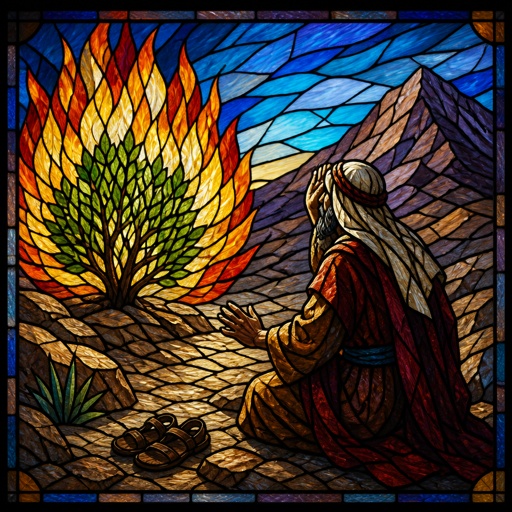
Create a stained glass interpretation of the biblical passage from Exodus 3:1
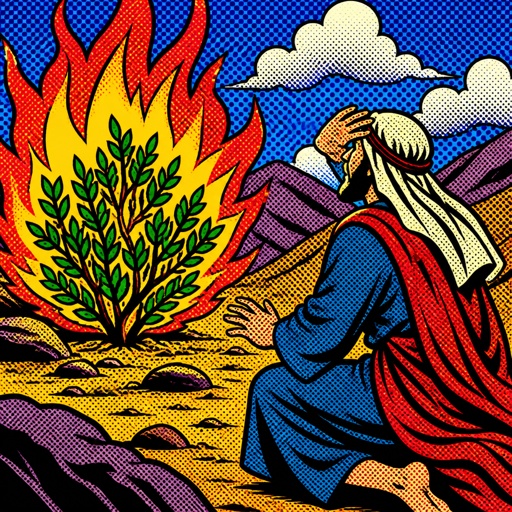
Create a pop art interpretation of the biblical passage from Exodus 3:1

Exodus 3:1 - "Now Moses kept the flock of Jethro his father in law, the priest of Midian: and he led the flock to the backside of the desert, and came to the mountain of God, even to Horeb."
"Now Moses kept the flock of Jethro his father in law, the priest of Midian: and he led the flock to the backside of the desert, and came to the mountain of God, even to Horeb." - Exodus 3:1
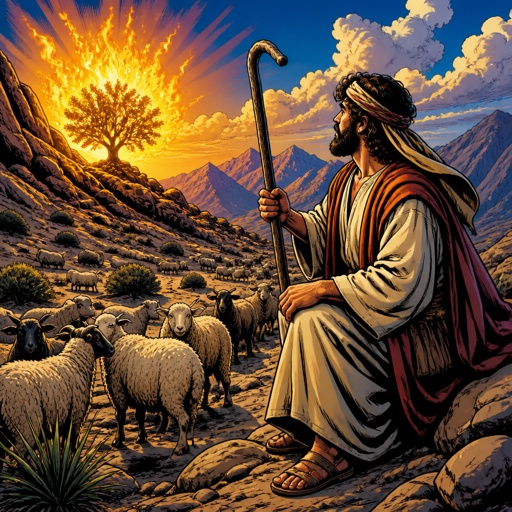
An illustration representing Exodus 3:1 in the bold, vivid, and dynamic style characteristic of early comic books, with no text or words included. In the image, respect and devotion to Christianity should be evident. The scene depicts Moses tending the flock of Jethro, his father-in-law, the priest of Midian, and he led the flock to the far side of the wilderness and came to Horeb, the mountain of God. The scene should exude peace amidst the dramatic visual.
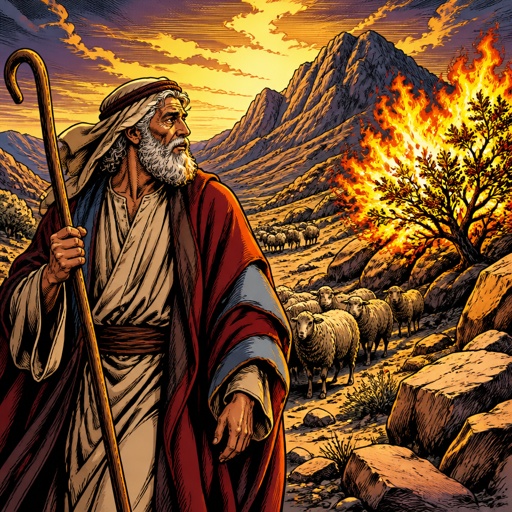
An illustration representing Exodus 3:1 in the bold, vivid, and dynamic style characteristic of early comic books, with no text or words included. In the image, respect and devotion to Christianity should be evident. The scene depicts 80-year-old Middle Eastern Moses tending the flock of Jethro, his father-in-law, the priest of Midian, and leading the flock to the far side of the wilderness, where he came to Horeb, the mountain of God. The scene should exude peace amidst the dramatic visual.

exodus 3

Exodus 17:3

exodus 3:14

Exodus 17:3

Exodus 1:3 - "Issachar, Zebulun, and Benjamin,"
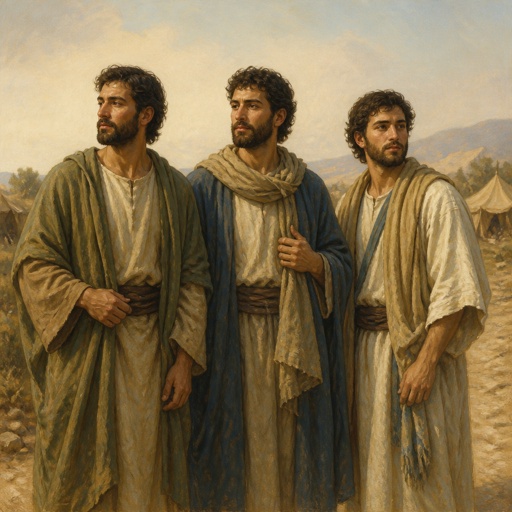
"Issachar, Zebulun, and Benjamin," - Exodus 1:3
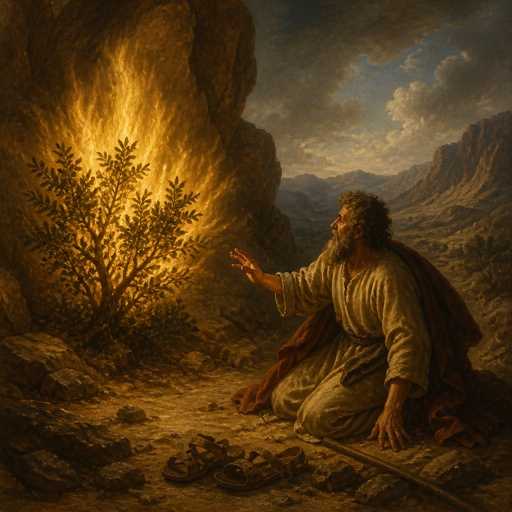
exodus 3

Exodus 3:12

Exodus 3:12

Exodus 3:12

Exodus 3:12

Exodus 3:12
exodus 3:11

Exodus 3:14

Exodus 3:14

Exodus 3:14

Exodus 3:14

Exodus 3:12

Exodus 3:12

exodus 27:3 forks

Exodus 3:3 - "And Moses said, I will now turn aside, and see this great sight, why the bush is not burnt."

Exodus 15:3 - "The LORD is a man of war: the LORD is his name."

Exodus 20:3 - "Thou shalt have no other gods before me."
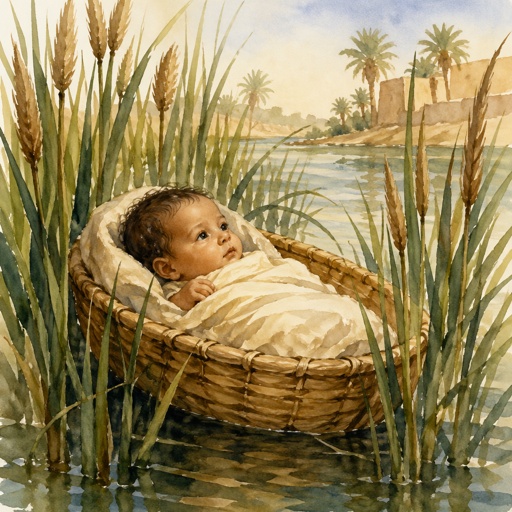
Exodus 2:3 baby Moses in bulrushes