What does Exodus 3:10 mean?
“Come now therefore, and I will send thee unto Pharaoh, that thou mayest bring forth my people the children of Israel out of Egypt.” — Exodus 3:10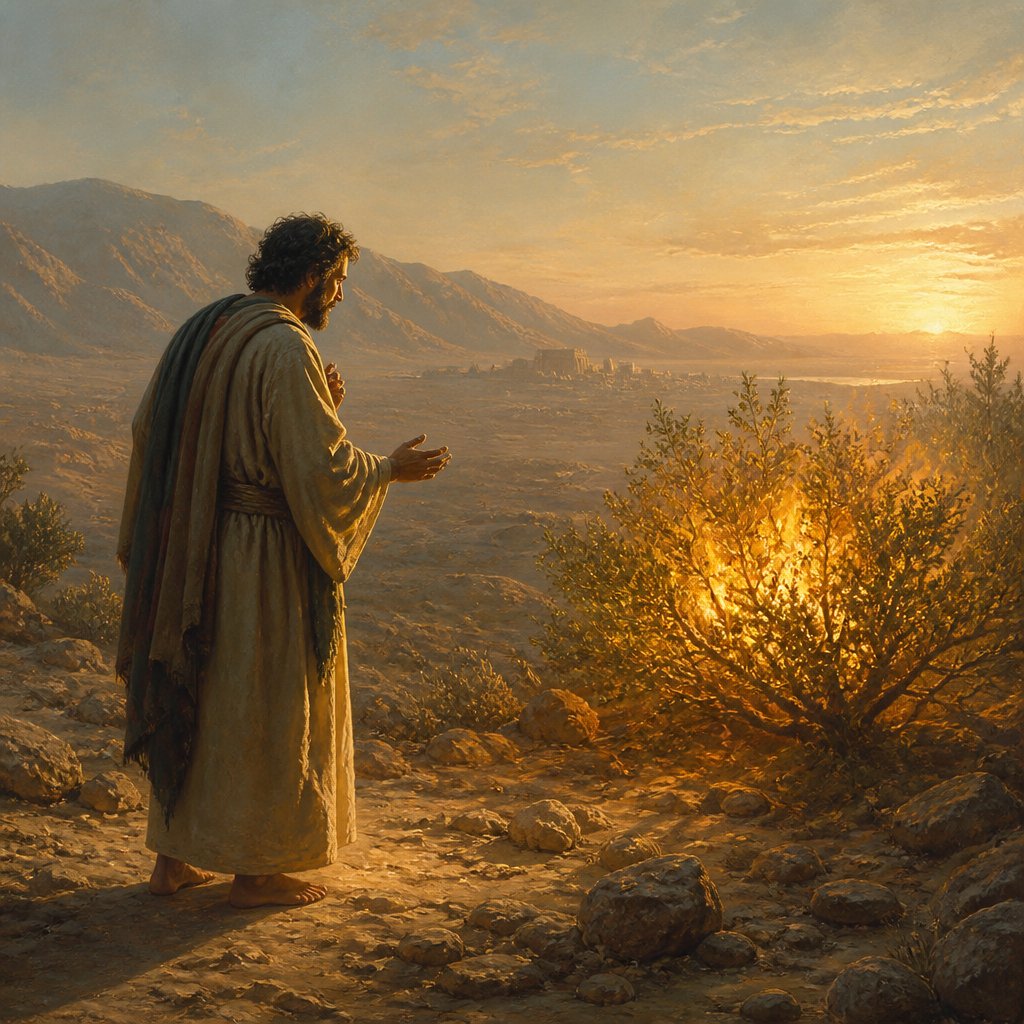
Exodus 3:10 in the King James Version (KJV) of the Bible reads, "Come now therefore, and I will send thee unto Pharaoh, that thou mayest bring forth my people the children of Israel out of Egypt." This verse is a pivotal moment in the biblical story of the exodus of the Israelites from Egypt, and it holds deep meaning within the larger context of the Israelite nation and their relationship with God.
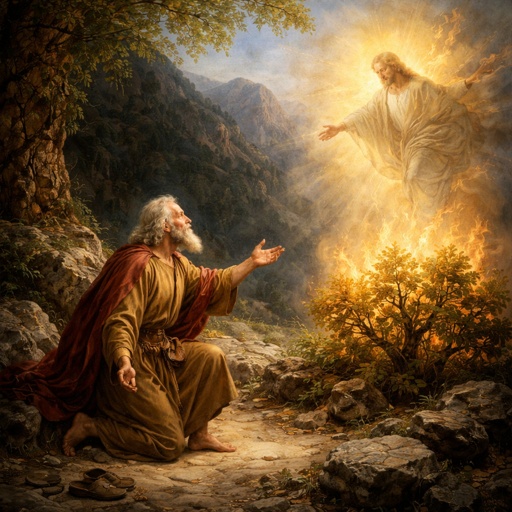
The verse is part of a conversation between God and Moses at the burning bush, where God calls Moses to be the leader of the Israelites and the one to confront Pharaoh in order to secure their freedom. To understand the depth of this verse, it's important to look at the themes, context, and symbolism that are present in this passage and its surrounding verses.
One of the central themes of this verse is that of calling and purpose. In this verse, God is calling Moses to a specific task - that of leading the Israelites out of Egypt. This call is a significant moment in the biblical narrative, as it marks the beginning of Moses' journey as a leader and prophet. The theme of calling and purpose is a universal one, as it speaks to the idea that each person has a unique role to play in the world, and that God equips and empowers individuals to fulfill their purpose.
The context of this verse is important for understanding its significance. At this point in the biblical story, the Israelites are enslaved in Egypt and are suffering under the oppression of Pharaoh. God has heard their cries and has chosen Moses as the one to lead them to freedom. The verse comes at a critical moment in the narrative, as it is the point at which God explicitly tells Moses what he is being called to do. This sets the stage for the events that will follow, including the ten plagues, the Passover, and the eventual exodus of the Israelites from Egypt.
Another important aspect of this verse is the symbolism it carries. The image of Moses being sent to confront Pharaoh is symbolic of the larger struggle between good and evil, and the theme of liberation from oppression. Pharaoh represents the oppressive forces that seek to keep the Israelites in bondage, while Moses represents the liberator who has been empowered by God to lead his people to freedom. This symbolism resonates with people throughout history who have sought freedom from oppression, and it continues to be a powerful and relevant theme in today's world.
In conclusion, Exodus 3:10 in the KJV holds deep meaning within the larger context of the biblical narrative. It speaks to the themes of calling and purpose, liberation from oppression, and the power of God to equip and empower individuals for their unique roles. It is a verse that has inspired and comforted countless people throughout history, and its message continues to resonate today. As we reflect on this verse, we are reminded of the enduring power of God's call and the transformative impact it can have on individuals and communities.
Get our apps


Artwork for Exodus 3:10

Exodus 3:10 - "Come now therefore, and I will send thee unto Pharaoh, that thou mayest bring forth my people the children of Israel out of Egypt."
"Come now therefore, and I will send thee unto Pharaoh, that thou mayest bring forth my people the children of Israel out of Egypt." - Exodus 3:10
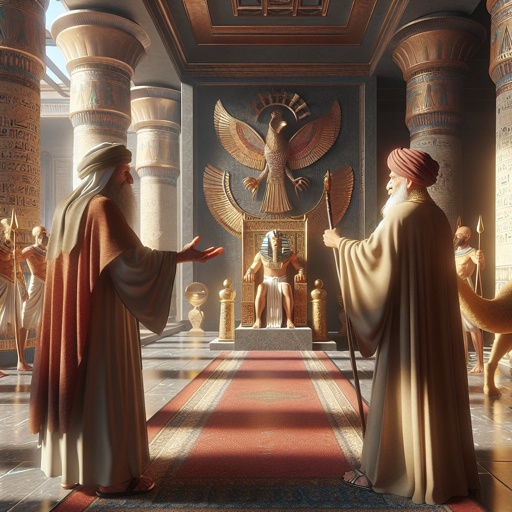
Exodus 10:3 - "And Moses and Aaron came in unto Pharaoh, and said unto him, Thus saith the LORD God of the Hebrews, How long wilt thou refuse to humble thyself before me? let my people go, that they may serve me."

Exodus 7:10

Exodus 7:10

Exodus 10:12

Exodus 17:10

Exodus 10:12

Exodus 10:12
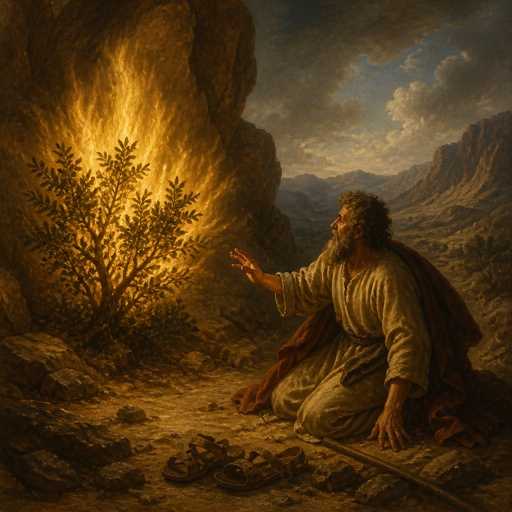
exodus 3

exodus 3

Exodus 25:10-22

Exodus 3:12

Exodus 3:12

Exodus 17:3

Exodus 3:12

Exodus 3:12

Exodus 3:12
exodus 3:11

Exodus 3:14

Exodus 3:14

Exodus 3:14

exodus 3:14

Exodus 3:14

Exodus 17:3

Exodus 3:12

Exodus 3:12

Exodus 6:10 - "And the LORD spake unto Moses, saying,"

Exodus 1:3 - "Issachar, Zebulun, and Benjamin,"

exodus 27:3 forks