What does Exodus 3:17 mean?
“And I have said, I will bring you up out of the affliction of Egypt unto the land of the Canaanites, and the Hittites, and the Amorites, and the Perizzites, and the Hivites, and the Jebusites, unto a land flowing with milk and honey.” — Exodus 3:17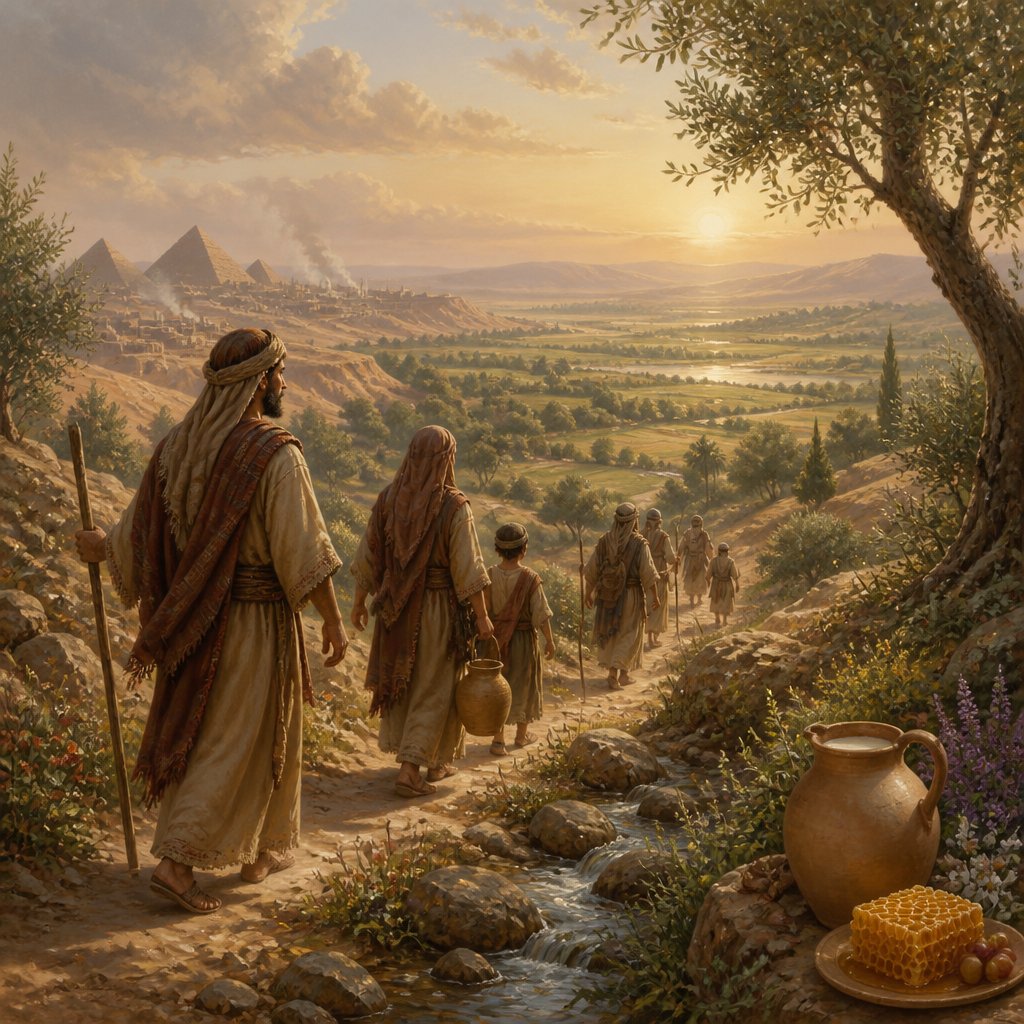
Exodus 3:17 (KJV) states, "And I have said, I will bring you up out of the affliction of Egypt unto the land of the Canaanites, and the Hittites, and the Amorites, and the Perizzites, and the Hivites, and the Jebusites, unto a land flowing with milk and honey."
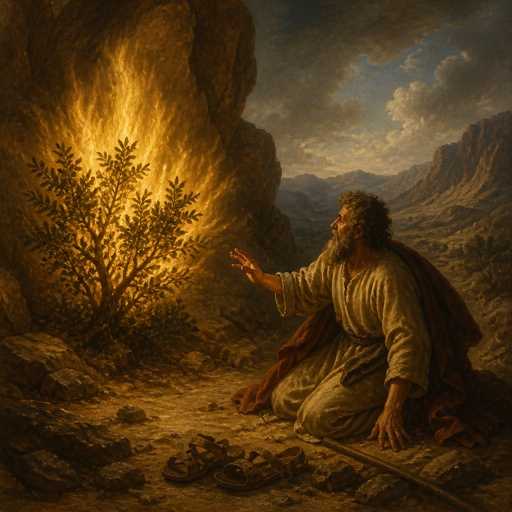
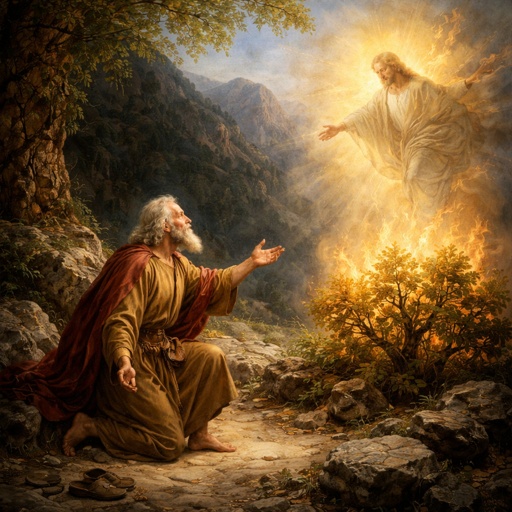
This verse occurs within the context of the famous passage in which God reveals Himself to Moses in the burning bush, commissioning him to lead the Israelites out of Egypt. The verse emphasizes God's promise to deliver the Israelites from the affliction they have been enduring in Egypt, and to bring them to the land of Canaan, a land that is often described as "flowing with milk and honey," signifying its abundant resources and fertility.
One of the main themes in this verse is the concept of deliverance. The Israelites had been suffering under the bondage of the Egyptians, enduring harsh labor and oppression. God's promise to bring them out of this affliction and into a land of abundance is a powerful message of hope and liberation. It underscores God's faithfulness to His people and His willingness to intervene in their lives to rescue them from hardship.
Another important theme in this verse is the idea of promise and fulfillment. Through this declaration, God is assuring the Israelites that He will fulfill the covenant He made with their ancestors, particularly with Abraham, Isaac, and Jacob, by bringing them to the land that was promised to them as their inheritance. It highlights God's faithfulness to His promises and His commitment to ensuring the well-being and prosperity of His chosen people.
The mention of the various tribes inhabiting Canaan in this verse also carries significant symbolism. The Canaanites, Hittites, Amorites, Perizzites, Hivites, and Jebusites were the indigenous people of the land of Canaan. By referencing these tribes, God is communicating to the Israelites that He is aware of the current inhabitants of the land, and that He will fulfill His promise to dispossess them in order to establish His people in their rightful place. It also conveys the idea that the land of Canaan is not an empty or uninhabited territory, but a land with a rich history and culture, which the Israelites would soon become a part of.
The description of Canaan as a land "flowing with milk and honey" is a powerful metaphor for the fertility and abundance of the land. It signifies the prosperity and richness of the promised land, portraying it as a place where the basic necessities of life are abundant. This imagery serves to motivate and inspire the Israelites, painting a vivid picture of the better future that awaits them once they are delivered from Egypt.
In a broader theological sense, this verse can also be interpreted allegorically, with Egypt representing a state of bondage and oppression, and Canaan symbolizing a state of freedom and abundance. This parallels the Christian belief in the concept of salvation, with Egypt representing the state of sin and earthly suffering, and Canaan representing the promised heavenly kingdom, where believers will experience eternal joy and fulfillment.
Overall, Exodus 3:17 (KJV) encapsulates powerful themes of deliverance, promise, and abundance. It serves as a foundational passage in the narrative of the Israelites' exodus from Egypt and their journey to the promised land. The verse emphasizes God's faithfulness to His people and His commitment to fulfilling His promises, while also symbolizing the hope and blessings that await those who trust in Him.
Get our apps


Artwork for Exodus 3:17

Exodus 3:17 - "And I have said, I will bring you up out of the affliction of Egypt unto the land of the Canaanites, and the Hittites, and the Amorites, and the Perizzites, and the Hivites, and the Jebusites, unto a land flowing with milk and honey."
"And I have said, I will bring you up out of the affliction of Egypt unto the land of the Canaanites, and the Hittites, and the Amorites, and the Perizzites, and the Hivites, and the Jebusites, unto a land flowing with milk and honey." - Exodus 3:17

Exodus 17:3

Exodus 17:3

Exodus 17:3 - "And the people thirsted there for water; and the people murmured against Moses, and said, Wherefore is this that thou hast brought us up out of Egypt, to kill us and our children and our cattle with thirst?"
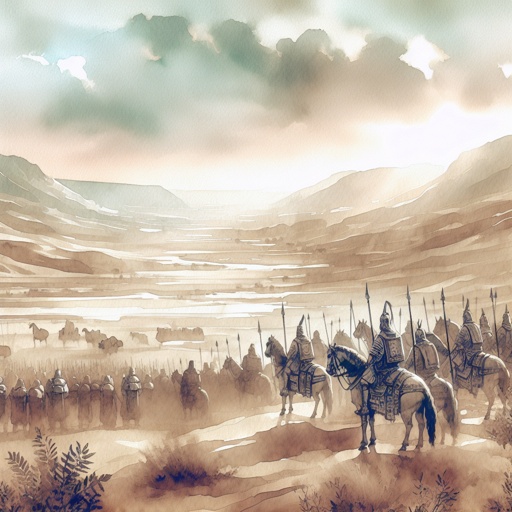
Exodus 17:10

Exodus 17:11

Exodus 17:6
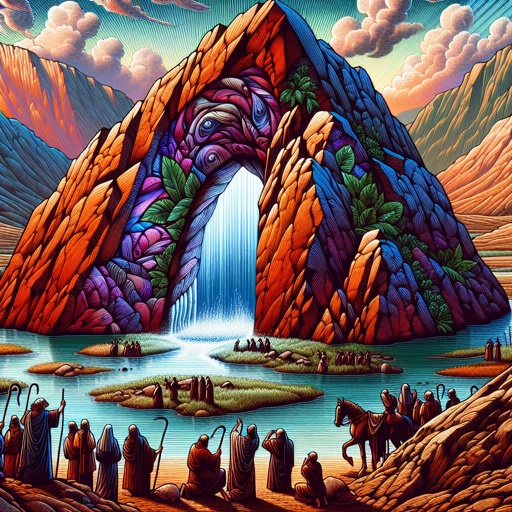
Exodus 17:6

Exodus 17:6

Exodus 24:17

Exodus 17:6

Exodus 30:17 - "¶ And the LORD spake unto Moses, saying,"

Exodus 17:8 - "¶ Then came Amalek, and fought with Israel in Rephidim."
exodus 3

exodus 3

Exodus 13:17-14:29

Exodus 6:17 - "The sons of Gershon; Libni, and Shimi, according to their families."

Exodus 34:17 - "Thou shalt make thee no molten gods."

Exodus 17:15 - "And Moses built an altar, and called the name of it Jehovah-nissi:"

Exodus 17:13 - "And Joshua discomfited Amalek and his people with the edge of the sword."

Exodus 3:12

Exodus 3:12

Exodus 3:12

Exodus 3:12

Exodus 3:12

Exodus 35:17 - "The hangings of the court, his pillars, and their sockets, and the hanging for the door of the court,"
exodus 3:11

Exodus 3:14

exodus 3:14